

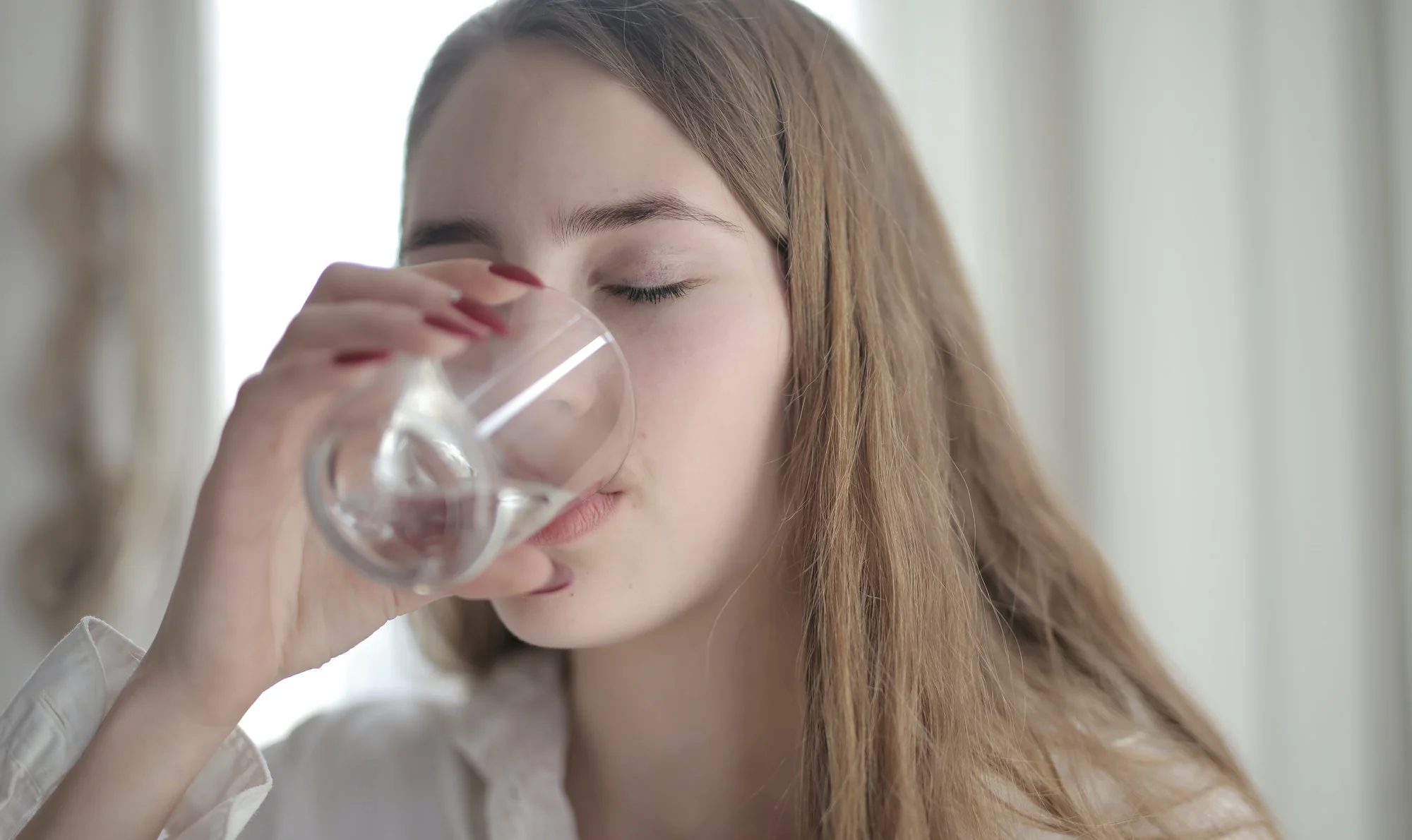
Water plays a vital role in maintaining overall health, yet many people remain unsure about how much water they should drink daily. While the popular “8 glasses a day” rule is easy to remember, actual water requirements vary significantly depending on age, body composition, lifestyle, and environmental conditions. Understanding age-wise hydration needs can help ensure optimal health and prevent dehydration-related issues.
Daily Water Intake for Children
Children require adequate hydration to support growth, digestion, and cognitive development. Their bodies contain a higher percentage of water compared to adults, making regular fluid intake essential.
Ages 1–3: About 1–1.3 liters per day (including water from food)
Ages 4–8: Around 1.5–1.7 liters daily
Ages 9–13: Approximately 2–2.4 liters, depending on activity level
Active children, especially those involved in sports, may require additional fluids to compensate for sweat loss.
Water Intake for Teenagers
Teenagers experience rapid physical growth and hormonal changes, increasing their hydration needs.
Teen boys: Around 3–3.5 liters per day
Teen girls: About 2.3–2.7 liters per day
Adequate water intake helps maintain energy levels, improve concentration, and support healthy skin during adolescence.
Daily Water Needs for Adults
For adults, hydration supports metabolism, circulation, temperature regulation, and organ function. General guidelines suggest:
Adult men: About 3.5–4 liters per day
Adult women: Around 2.7–3 liters per day
These figures include water obtained from beverages and food. People living in hot climates, engaging in physical activity, or consuming high-protein or salty diets may need more water than average.
Water Intake for Seniors
As people age, the sensation of thirst often diminishes, increasing the risk of dehydration. Seniors should consciously maintain adequate fluid intake.
Adults 65 and above: Around 2–2.5 liters daily, unless medically advised otherwise
Proper hydration in older adults helps prevent urinary infections, constipation, fatigue, and dizziness.
Factors That Affect Water Requirements
Daily water intake is influenced by several factors beyond age:
Physical activity: More exercise means higher fluid loss
Climate: Hot or humid weather increases sweating
Diet: High salt or protein intake raises water needs
Health conditions: Fever, diarrhea, or medication use may require extra fluids
Simple Hydration Tips
Drink water at regular intervals instead of waiting to feel thirsty
Include water-rich foods like fruits and vegetables
Carry a reusable water bottle during the day
Increase intake during workouts or hot weather
The Bottom Line
There is no single formula for daily water intake that fits everyone. Age provides a useful guideline, but listening to your body and adjusting intake based on lifestyle and environment is equally important. Clear or light-colored urine is often a simple indicator of proper hydration.
Staying hydrated is one of the easiest yet most effective ways to support long-term health — making water an essential part of daily life at every age.
Note: Content and images are for informational use only. For any concerns, contact us at info@rajasthaninews.com.
Previous Post

Next Post
40 के बाद शर्ट से बा...
Related Post