

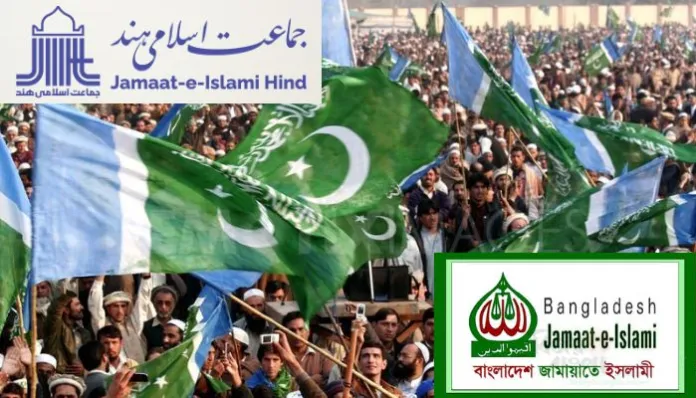
Bangladesh’s Jamaat-e-Islami, one of the country’s oldest and most controversial political parties, is once again at the centre of national political debate. For the first time in its chequered history, the Islamist party appears to have a realistic opportunity to emerge as a leading force in a governing alliance, raising important questions about its past, its ideology, and its future role in Bangladesh’s politics.
Founded in 1941 by Islamic scholar Abul A’la Maududi, Jamaat-e-Islami originally aimed to establish a society governed by Islamic principles. In the context of Bangladesh, the party’s legacy has been deeply shaped by the events of the 1971 Liberation War. Jamaat opposed Bangladesh’s independence from Pakistan, a position that continues to haunt the party decades later. Several of its senior leaders were later convicted by war crimes tribunals for collaboration with the Pakistani military, significantly damaging the party’s public image.
For years, Jamaat-e-Islami remained on the fringes of Bangladeshi politics. However, it gained influence through strategic alliances, most notably with the Bangladesh Nationalist Party (BNP). During the early 2000s, Jamaat leaders even held cabinet positions when the BNP-led coalition governed the country. That period marked the party’s most direct involvement in state power.
The party’s fortunes declined sharply after 2010, when Bangladesh’s government intensified prosecutions related to 1971 war crimes. In 2013, Jamaat-e-Islami was effectively barred from contesting elections under its party symbol after the Supreme Court ruled that its charter conflicted with the country’s secular constitution. Since then, Jamaat has operated through affiliated groups and informal alliances, maintaining influence despite legal and political restrictions.
Recent political developments, however, have reopened discussions about Jamaat’s relevance. Widespread dissatisfaction with mainstream parties, concerns over governance, and shifting voter priorities have created space for alternative political forces. Jamaat-e-Islami has attempted to rebrand itself, focusing on issues such as corruption, social justice, and economic reform while softening its public rhetoric.
Supporters argue that the party has a disciplined grassroots network, strong organisational structure, and loyal voter base — qualities that could make it a valuable partner, or even leader, in a broader opposition alliance. Critics, however, warn that Jamaat’s rise could challenge Bangladesh’s secular foundations and strain relations with international partners concerned about political Islam.
Whether Jamaat-e-Islami can truly lead the country remains uncertain. Much depends on electoral alliances, legal developments, and the broader political environment. While the party’s past continues to cast a long shadow, its renewed visibility highlights a changing political landscape in Bangladesh.
As the country approaches future elections, Jamaat-e-Islami’s evolving role will be closely watched — both domestically and internationally — as Bangladesh navigates questions of democracy, identity, and governance.
Note: Content and images are for informational use only. For any concerns, contact us at info@rajasthaninews.com.

Previous Post

Next Post
"Peter Dutton Affirm...
Related Post