

Environment
New Plant Species Recorded in Nagaland; 13 New Amphibians Discovered Across Northeast India
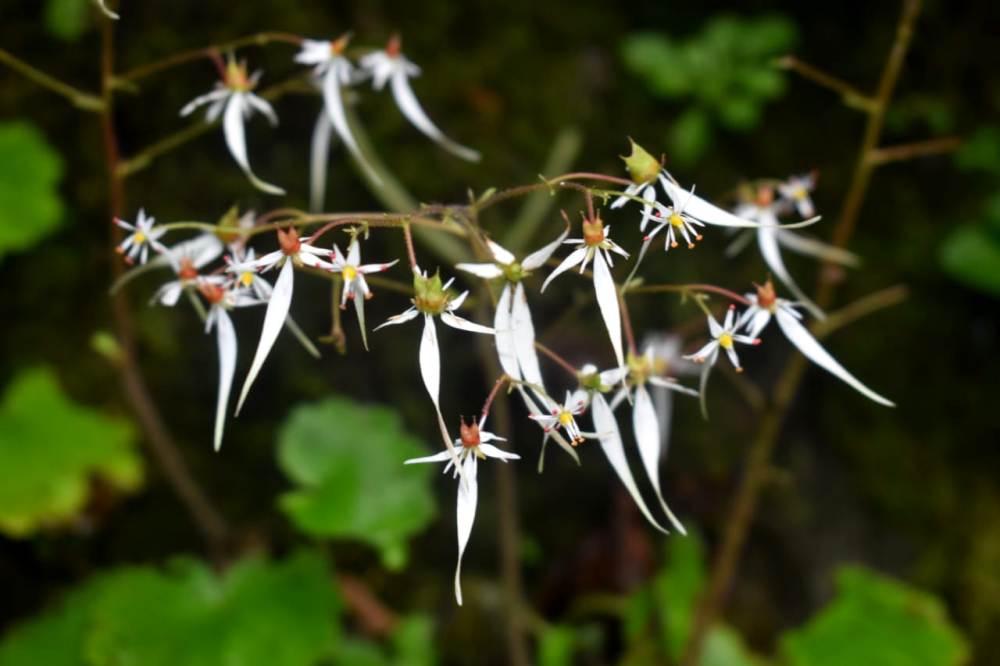
In a significant boost to India’s biodiversity record, scientists have documented a new plant species in Nagaland’s community-managed forests and discovered 13 new amphibian species across Northeast India. The findings underscore the ecological richness of the region, which is considered one of the country’s most important biodiversity hotspots.
The newly recorded plant species was identified in Nagaland’s community forests—areas traditionally protected and managed by local tribal communities. These forests play a crucial role in conservation, often preserving rare and endemic species that thrive in relatively undisturbed habitats. Researchers noted that the discovery highlights the effectiveness of community-led forest management in safeguarding fragile ecosystems.
Nagaland and the broader Northeast region are part of the Indo-Burma biodiversity hotspot, known for high levels of endemism. The area’s varied topography, dense forests, heavy rainfall, and diverse microclimates create ideal conditions for unique plant and animal life to evolve. However, many parts of the region remain scientifically underexplored, meaning new discoveries continue to emerge through systematic field surveys.
Alongside the plant discovery, herpetologists documented 13 new amphibian species across different states in Northeast India. Amphibians, including frogs and salamanders, are highly sensitive to environmental changes and are considered important indicators of ecosystem health. The identification of new species not only enriches India’s faunal inventory but also emphasizes the ecological significance of the region’s forests and wetlands.
Researchers conducted extensive fieldwork, including nocturnal surveys and bioacoustic monitoring, to identify the amphibian species. Many amphibians are distinguished by subtle differences in morphology, coloration, call patterns, and genetic markers. Advances in molecular analysis have made it easier to confirm species that may appear visually similar but are genetically distinct.
Scientists stress that such discoveries carry conservation implications. Newly identified species often have limited geographic ranges, making them particularly vulnerable to habitat loss, climate change, and human activities. Infrastructure expansion, shifting land use patterns, and environmental degradation pose growing challenges in ecologically sensitive regions.
The discoveries also highlight the importance of involving local communities in conservation efforts. Community forests in Nagaland have long functioned as traditional conservation zones, where customary laws regulate hunting and resource extraction. This collaborative model between scientists and local stakeholders has proven effective in protecting habitats that support rare flora and fauna.
Experts believe that continued exploration in Northeast India could lead to many more discoveries in the coming years. The region’s complex terrain and limited scientific access in the past mean that its full biological diversity is still being uncovered.
Overall, the recording of a new plant species and the identification of 13 new amphibians reinforce Northeast India’s status as a biodiversity treasure trove. These findings not only expand scientific knowledge but also strengthen the case for sustained conservation and ecological research in one of India’s most environmentally significant regions.
Note: Content and images are for informational use only. For any concerns, contact us at info@rajasthaninews.com.

Previous Post

Next Post
"इको-फ्रेंडली इनोवेश...
Related Post