

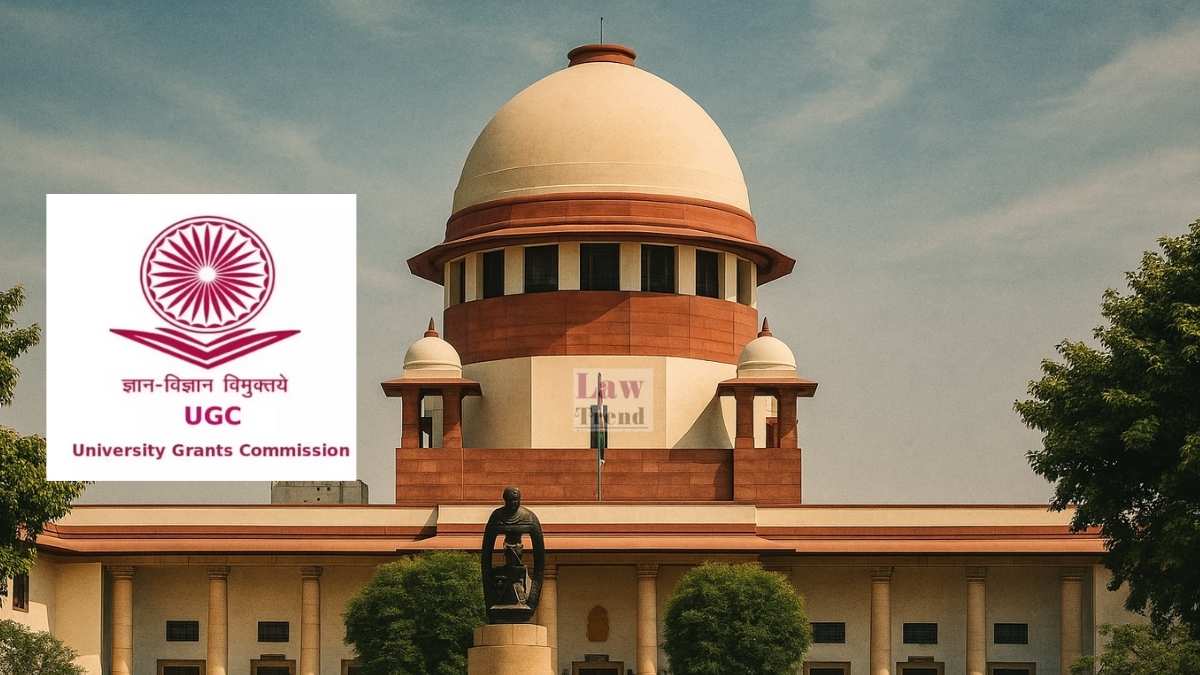
The Supreme Court has ordered the clubbing of multiple petitions challenging the University Grants Commission (UGC) 2026 Equity Regulations, which mandate the establishment of anti-discrimination panels in colleges and universities across India. The move aims to ensure a consolidated hearing and a uniform judicial approach to the legal challenges raised against the new regulatory framework.
The UGC 2026 Equity Regulations were introduced with the objective of strengthening inclusivity and addressing discrimination within higher educational institutions. Under the new rules, colleges and universities are required to constitute dedicated anti-discrimination panels tasked with handling complaints related to caste, gender, religion, disability, and other forms of bias. These panels are expected to function as internal redressal mechanisms to promote a safer and more equitable academic environment.
However, the regulations have faced legal scrutiny, with several petitions filed in different courts questioning their scope, implementation framework, and constitutional validity. Petitioners have reportedly raised concerns regarding procedural aspects, institutional autonomy, and the operational structure of the mandated panels. Some have also questioned whether the regulations overlap with existing grievance redressal mechanisms already functioning within institutions.
By directing that all related petitions be clubbed together, the Supreme Court has indicated its intention to examine the matter comprehensively. Clubbing petitions is a common judicial practice when multiple cases involve similar legal questions or arise from the same regulatory framework. This ensures consistency in interpretation and avoids conflicting judgments from different benches or courts.
The UGC, as India’s apex higher education regulator, has defended the regulations as a necessary step toward ensuring equity and inclusion on campuses. In recent years, concerns regarding discrimination and lack of adequate grievance redressal systems in educational institutions have been widely discussed in public discourse. The 2026 Equity Regulations are positioned as a response to such concerns, aiming to institutionalize accountability and transparency.
Educational institutions across the country have been closely monitoring the legal developments. While some universities have already begun aligning their policies with the new framework, others are awaiting clarity from the judiciary before implementing structural changes. The outcome of the Supreme Court’s review is expected to have significant implications for higher education governance and regulatory oversight.
Legal experts note that the case could potentially address broader questions related to the balance between regulatory authority and institutional autonomy. The Court’s eventual decision may clarify the extent of the UGC’s powers in mandating internal administrative structures within universities.
As the matter proceeds to a consolidated hearing, stakeholders including students, faculty members, and education administrators await further directions. The Supreme Court’s examination of the UGC 2026 Equity Regulations will likely shape the future framework for equity and anti-discrimination measures within India’s higher education system.
Note: Content and images are for informational use only. For any concerns, contact us at info@rajasthaninews.com.

Previous Post
Next Post
"हाईकोर्ट ने प्राइव...
Related Post