
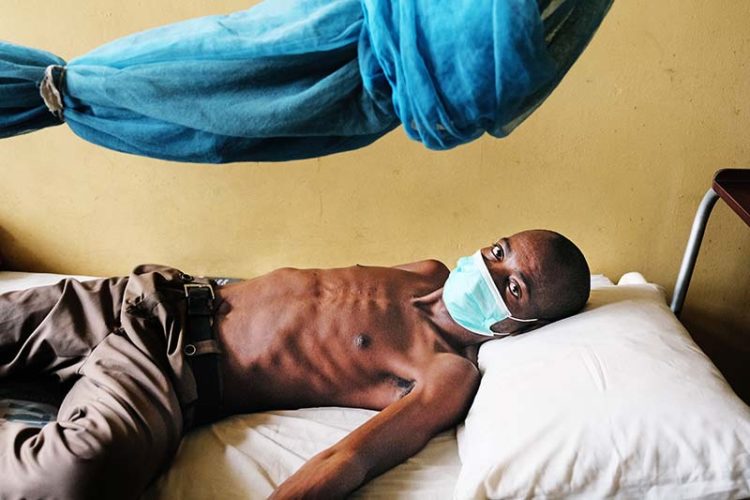
India has made remarkable strides in its fight against tuberculosis (TB), with the latest World Health Organization (WHO) report revealing that the country’s TB incidence rate is falling by 21% every year. This sharp decline highlights India’s strong progress toward its goal of eliminating the disease by 2025, well ahead of the global target year of 2030.
According to the WHO Global TB Report 2024, India has achieved a significant reduction in TB mortality, with deaths falling from 28 per lakh population in 2015 to 21 per lakh in 2024. The data reflects the effectiveness of government-led initiatives, improved access to healthcare, and the widespread use of modern diagnostic and treatment technologies.
Experts attribute this progress to the country’s National Tuberculosis Elimination Programme (NTEP), which has expanded early detection and treatment across both urban and rural areas. The program’s focus on door-to-door screenings, digital tracking of patients, and free distribution of medicines through government facilities has helped identify cases earlier and ensure timely treatment completion.
Health officials also note that India’s use of digital tools—such as the Ni-Kshay portal, which monitors patients’ progress in real-time—has improved case reporting and follow-up. Combined with better nutritional support and the engagement of private healthcare providers, the strategy has strengthened India’s TB response system.
The WHO report further emphasizes that India’s progress has had a global impact, as the country accounts for the largest share of the world’s TB burden. A sustained decline in India’s numbers, therefore, significantly influences the overall global reduction in TB cases.
Despite this success, challenges remain. Drug-resistant TB continues to be a concern, with WHO urging continuous surveillance and the introduction of new, more effective medications. Additionally, addressing the social determinants of health—such as malnutrition, poverty, and limited healthcare access in remote areas—remains essential to achieving total eradication.
Union Health Ministry officials have hailed the findings as validation of India’s comprehensive strategy under the Pradhan Mantri TB Mukt Bharat Abhiyan, which combines medical interventions with nutritional and financial support for patients. Community-led awareness campaigns and collaborations with NGOs have further helped reduce stigma and encourage people to seek treatment early.
Globally, tuberculosis remains one of the top infectious killers, claiming over a million lives annually. However, India’s continued progress demonstrates that with coordinated policy action, strong public health infrastructure, and technological innovation, large-scale elimination is achievable.
As the country continues its mission to become TB-free by 2025, experts believe India’s model could serve as an example for other nations struggling with high TB burdens. The steady 21% annual decline and the sharp drop in mortality signal that the fight against tuberculosis in India is turning a decisive corner—bringing hope for a healthier, disease-free future.

Note: Content and images are for informational use only. For any concerns, contact us at info@rajasthaninews.com.
Previous Post

Next Post
40 के बाद शर्ट से बा...
Related Post