
Health
Kerala to Establish India’s First ESIC Ayurveda Medical College, Boosting Traditional Healthcare Integration
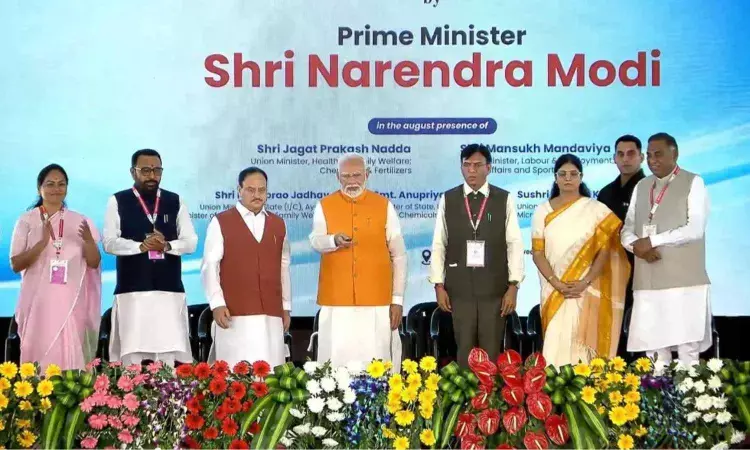
In a landmark move for India’s healthcare sector, Kerala is preparing to establish the country’s first Ayurveda medical college under the Employees' State Insurance Corporation (ESIC). This initiative represents a significant step toward integrating traditional Indian medicine into the formal social security healthcare framework, ensuring broader accessibility and institutional recognition.
The ESIC, which operates under the Ministry of Labour and Employment, provides social security and health insurance benefits to millions of workers across India. Traditionally, ESIC hospitals and medical colleges have focused primarily on allopathic medicine. The introduction of an Ayurveda medical college under its umbrella signals a progressive shift toward a more inclusive and integrative healthcare approach that respects India’s rich medical heritage.
Ayurveda, one of the oldest systems of medicine in the world, has long been practiced in India, particularly in Kerala, which is globally renowned for its authentic Ayurveda treatments and wellness centers. By establishing this ESIC Ayurveda college, Kerala aims to bridge the gap between traditional healing practices and modern institutional healthcare delivery systems.
The new institution is expected to offer structured academic programs in Ayurveda, promote research in traditional medicine, and create opportunities for students and healthcare professionals to specialize in Ayurvedic sciences. It will also enable insured workers under the ESIC scheme to access alternative and complementary treatment options within the formal healthcare infrastructure.
This initiative aligns with the broader national vision of strengthening AYUSH systems—Ayurveda, Yoga, Unani, Siddha, and Homeopathy—while maintaining scientific standards and quality control. Over the past decade, the government has emphasized the importance of evidence-based validation and modernization of traditional medicine systems. Integrating Ayurveda into ESIC’s healthcare network is a natural progression in that direction.
Kerala’s leadership in this field is not surprising. The state has consistently invested in promoting Ayurveda tourism, research, and medical education. With this new ESIC-backed institution, Kerala is likely to set a precedent for other states to follow, potentially leading to similar initiatives across the country.
Beyond healthcare, the move is also expected to generate employment opportunities, enhance academic infrastructure, and strengthen the overall public health system. It represents a balanced approach that combines India’s traditional knowledge systems with the structure and accountability of formal medical education.
In essence, the establishment of India’s first ESIC Ayurveda medical college marks a transformative milestone. It reflects growing recognition of holistic healthcare models and underscores Kerala’s pioneering role in integrating traditional medicine into mainstream social security health services. As the project takes shape, it could redefine how millions of insured workers experience and access healthcare in India.
Note: Content and images are for informational use only. For any concerns, contact us at info@rajasthaninews.com.
Previous Post

Next Post
40 के बाद शर्ट से बा...
Related Post