
Environment
Survey Flags Hazardous Pesticide Use in South Asia; Maharashtra’s Yavatmal Cotton Belt Under Spotlight
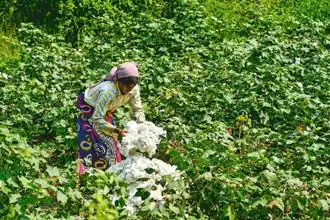
A community-based survey conducted across four South Asian countries has raised serious concerns over the widespread and hazardous use of pesticides, with India reporting the highest proportion of highly hazardous chemicals in agricultural practices. The findings have brought renewed attention to Maharashtra’s Yavatmal cotton belt, a region long associated with pesticide poisoning incidents and farmer health crises.
According to the study, nearly 87% of farmers surveyed across South Asia reported using pesticides, often with limited training, inadequate protective equipment, and little awareness of the long-term health and environmental risks. The research covered farming communities in India, Bangladesh, Sri Lanka, and Nepal, aiming to understand pesticide exposure patterns, safety practices, and health outcomes at the grassroots level.
India emerged as a key area of concern, with farmers reporting a significantly higher use of highly hazardous pesticides (HHPs) compared to other countries in the survey. These chemicals, classified as extremely or highly toxic by international health and environmental agencies, are known to cause acute poisoning, neurological damage, respiratory illness, and long-term conditions such as cancer.
The spotlight has once again turned to Yavatmal district in Maharashtra, a major cotton-growing region that has witnessed repeated outbreaks of pesticide poisoning over the past decade. Cotton cultivation is particularly pesticide-intensive, as farmers attempt to control pests like bollworms and whiteflies. Many farmers in the region reportedly mix multiple pesticides — sometimes in concentrations higher than recommended — increasing the risk of toxic exposure.
The survey highlights that protective gear such as gloves, masks, and full-body clothing is rarely used, often due to cost constraints, lack of availability, or discomfort in hot climatic conditions. As a result, farmers are exposed to chemicals through inhalation, skin contact, and accidental ingestion. Women and children, who often assist in agricultural work or live near treated fields, are also vulnerable to secondary exposure.
Researchers noted that regulatory gaps and weak enforcement contribute significantly to the problem. Despite bans or restrictions on certain hazardous pesticides in many countries, these chemicals continue to be sold and used, sometimes under different brand names. In India, the availability of highly hazardous pesticides at local markets remains a major challenge for authorities.
The study also raises concerns about the environmental impact of excessive pesticide use, including contamination of soil, water bodies, and non-target species such as pollinators. Over time, this can reduce soil fertility, harm biodiversity, and increase pest resistance, trapping farmers in a cycle of escalating chemical use.
Public health experts have called for urgent policy interventions, including stricter regulation of hazardous pesticides, promotion of safer alternatives, better farmer education, and expanded access to integrated pest management (IPM) practices. They also stress the need for improved surveillance and reporting of pesticide-related illnesses, particularly in high-risk regions like Yavatmal.
The findings underline a growing public health and environmental challenge in South Asia, where agricultural productivity continues to rely heavily on chemical inputs. Without stronger safeguards, experts warn that hazardous pesticide use will continue to endanger farmers’ lives, rural ecosystems, and long-term food security.

Note: Content and images are for informational use only. For any concerns, contact us at info@rajasthaninews.com.

Previous Post

Next Post
"इको-फ्रेंडली इनोवेश...
Related Post