
Environment
Solid Waste Management (SWM) Rules 2026: Four-Stream Waste Segregation Made Mandatory from April 1
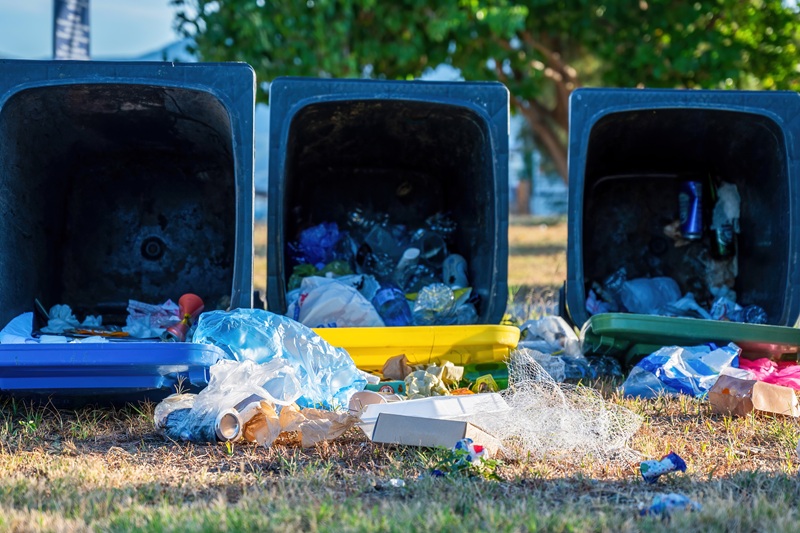
The Government of India has officially notified the Solid Waste Management Rules 2026, introducing significant reforms aimed at strengthening waste management systems across the country. Announced by the Ministry of Environment, Forest and Climate Change, the new rules will come into effect from April 1, 2026, and mark a major step toward improving environmental sustainability and urban cleanliness.
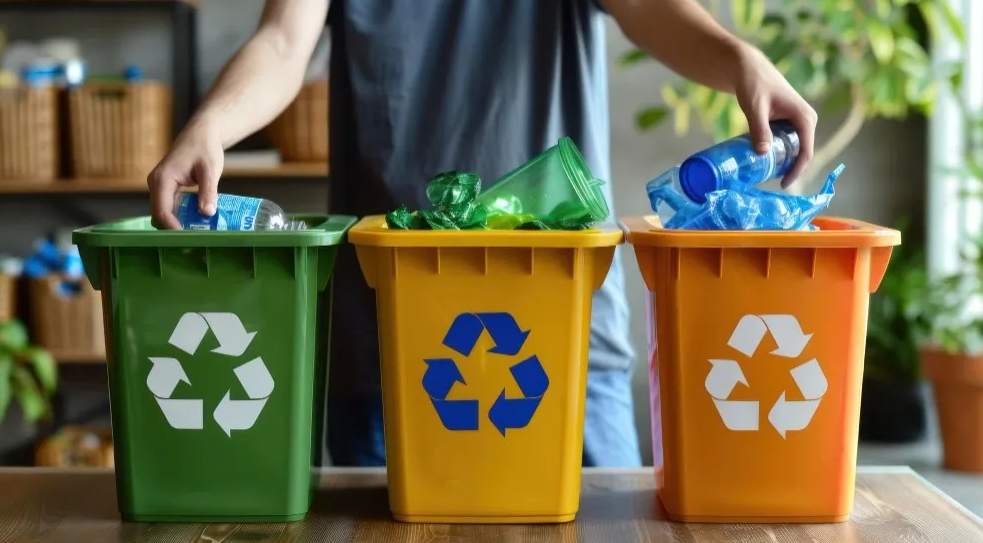
One of the most important changes under the SWM Rules 2026 is the introduction of mandatory four-stream waste segregation at the source. Households, institutions, and commercial establishments must now separate waste into four categories: wet waste (biodegradable), dry waste (recyclable), sanitary waste, and special care waste (such as hazardous household waste including e-waste, batteries, and chemicals). This move is designed to ensure efficient recycling, reduce landfill burden, and improve overall waste processing efficiency.
Source segregation has long been identified as a critical factor in effective waste management. By mandating four distinct waste streams, the government aims to improve material recovery rates, reduce contamination of recyclable materials, and promote composting of organic waste. Municipal authorities will be responsible for creating collection systems aligned with these four categories.
Another key reform under the new rules is the expanded definition of “Bulk Waste Generators” (BWGs). Previously limited to certain institutions and commercial establishments, the updated definition now includes large residential societies, gated communities, hotels, malls, office complexes, and other high-waste-generating entities. These bulk waste generators will be required to process their waste on-site as far as possible.
On-site processing may include composting units for organic waste, material recovery facilities for recyclables, and safe disposal mechanisms for sanitary and special care waste. This shift places greater accountability on large waste producers, reducing pressure on municipal infrastructure and landfills. Authorities may impose penalties for non-compliance, encouraging stricter adherence to waste management standards.
Environmental experts have welcomed the updated framework, noting that decentralization of waste processing can significantly enhance efficiency. By ensuring that waste is managed closer to its source, transportation costs and emissions associated with long-distance waste movement can be reduced. Furthermore, composting and recycling initiatives can generate employment and promote a circular economy.
The SWM Rules 2026 also emphasize awareness campaigns, citizen participation, and technological integration. Urban local bodies are expected to use digital tracking systems to monitor compliance and streamline waste collection. Public education programs will play a crucial role in ensuring that households and institutions understand the importance of segregation.
Overall, the Solid Waste Management Rules 2026 represent a progressive step toward sustainable urban development. With mandatory four-stream segregation and stricter responsibilities for bulk waste generators, the government aims to create cleaner cities, reduce environmental pollution, and strengthen India’s long-term waste management infrastructure.
Note: Content and images are for informational use only. For any concerns, contact us at info@rajasthaninews.com.

Previous Post
Next Post
"इको-फ्रेंडली इनोवेश...
Related Post