


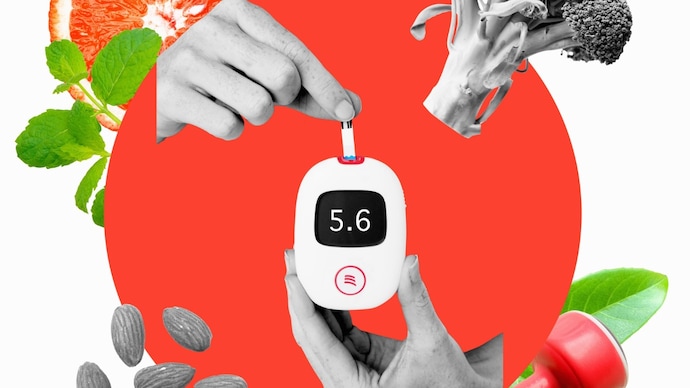
India is experiencing a concerning rise in blood sugar levels across the population, signaling a broader shift in public health dynamics and lifestyle patterns. Recent reports and health assessments point to an increase in cases of high blood sugar—often a precursor to diabetes—affecting both urban and rural communities. This trend has drawn attention from medical experts, policymakers, and public health organizations, who warn that the surge could place additional pressure on an already burdened healthcare system.
The rise in blood sugar levels is linked to several lifestyle and environmental factors that have rapidly evolved in recent years. One of the primary reasons is the increasingly sedentary routine that many Indians follow today. With more people engaged in desk jobs, long working hours, and reduced physical activity, the body’s ability to regulate blood sugar effectively is compromised. Additionally, the popularity of packaged foods, sugary drinks, and low-nutrition diets has contributed significantly to elevated glucose levels among adults and even adolescents.
Stress is another major factor driving the upward trend. Urbanization, economic pressures, fast-paced living, and lack of proper sleep have collectively impacted metabolic health. Chronic stress leads to hormonal imbalances that can cause the body to produce more glucose, resulting in consistently higher blood sugar levels. The combination of poor diet, inactivity, and psychological strain creates a perfect storm for rising hyperglycemia cases nationwide.
Healthcare experts also point to the role of genetic predisposition. India has long been recognized as one of the countries with the highest risk for diabetes. Families with a history of blood sugar irregularities often pass on metabolic tendencies to the next generation. When combined with modern lifestyle habits, this genetic factor accelerates the rise in blood sugar levels across younger age groups.
The increased consumption of fast food and reduced intake of traditional, nutrient-rich meals have further aggravated the situation. Many individuals, particularly in cities, rely heavily on processed meals high in carbohydrates, refined sugars, and unhealthy fats. Over time, these dietary patterns significantly elevate the risk of insulin resistance, a condition where the body no longer responds effectively to insulin, leading to high blood sugar.
Another key concern is the lack of awareness and regular health check-ups. Many people do not monitor their glucose levels until symptoms become noticeable. Early signs such as fatigue, excessive thirst, or frequent urination are often ignored, resulting in delays in diagnosis. By the time individuals seek medical help, their blood sugar levels may already be dangerously high.
The rise in blood sugar levels has broader implications for India’s public health landscape. If the trend continues, the country could face a dramatic increase in diabetes cases over the next decade. This would result in higher healthcare costs, increased hospitalizations, and a greater burden on medical resources.
Note: Content and images are for informational use only. For any concerns, contact us at info@rajasthaninews.com.
Previous Post

Next Post
40 के बाद शर्ट से बा...
Related Post