

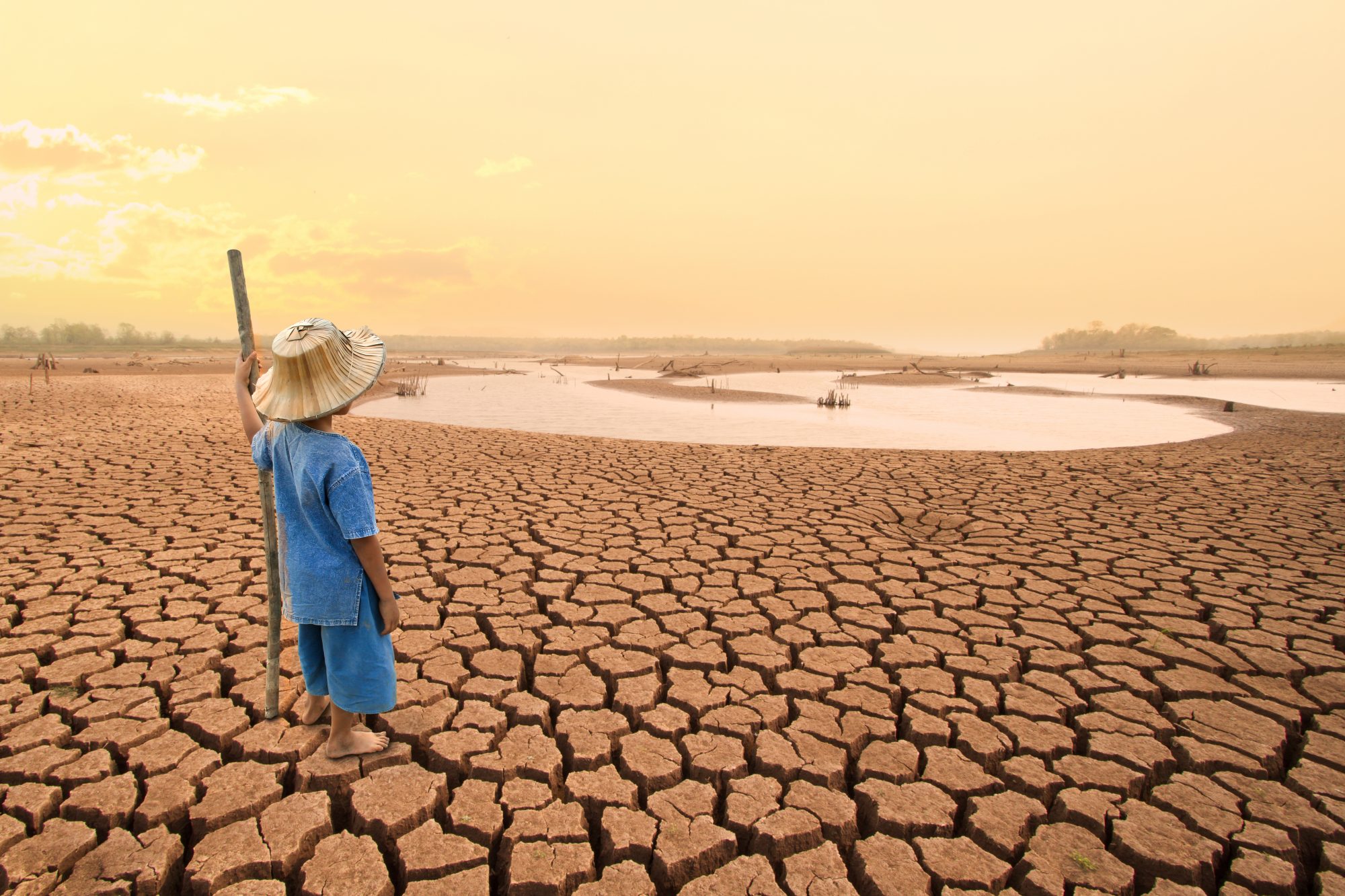
Climate change is no longer a distant environmental concern—it is a human crisis unfolding in real time. Rising temperatures, extreme weather events, and environmental degradation are eroding not only ecosystems but also the psychological well-being of millions. As floods, droughts, and heatwaves become more frequent, the world faces a hidden yet intensifying threat: a mental health emergency driven by the climate crisis.
The emotional and psychological toll of climate change is vast and complex. Communities that depend on natural resources—farmers, fishers, and indigenous populations—are witnessing their livelihoods vanish. In coastal regions, families face the anxiety of losing their homes to rising seas. Youth, particularly in the Global South, are grappling with deep eco-anxiety and despair about an uncertain future. These are not abstract feelings; they manifest as depression, post-traumatic stress, chronic stress, and social dislocation.
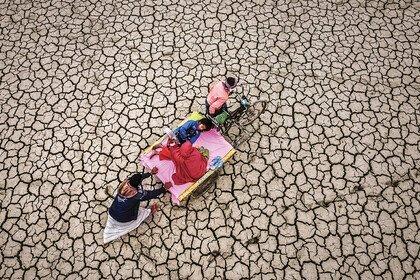
Climate change represents a profound moral and social injustice. Those least responsible for global emissions—low-income communities, informal workers, and indigenous peoples—bear the heaviest psychological and material burdens. Farmers watching crops fail after erratic monsoons, children living through repeated floods in Bangladesh, or families displaced by wildfires in Australia and California all share a common experience of loss, fear, and helplessness. Mental health support in such situations is often scarce or entirely absent.
In wealthier nations, the mental health impacts are also visible, though often mediated through different channels. Urban residents experience anxiety from extreme heat or air pollution. Young people, bombarded by alarming climate news, report growing levels of climate grief and existential dread. A 2021 global survey found that nearly 60% of youth felt “very” or “extremely worried” about climate change, and many believed humanity was doomed. This sense of powerlessness can paralyze collective action and erode social trust, making it harder for societies to adapt.
Despite growing awareness, mental health remains an overlooked pillar of climate adaptation and resilience. Policy discussions tend to focus on infrastructure, technology, and emissions reduction, while neglecting the psychological resilience needed to navigate a rapidly changing planet. Yet, mental health is not a luxury—it is climate infrastructure. Without mentally healthy individuals and communities, efforts to adapt or recover from climate disasters are severely weakened.
Integrating mental health into climate action requires both recognition and resources. Governments and international agencies must begin treating psychosocial support as a core part of disaster response, alongside food, water, and shelter. Health systems need to be trained to address trauma, grief, and anxiety linked to environmental change. Grassroots and indigenous healing practices, which foster community connection and collective resilience, must also be respected and supported.
Education plays a critical role as well. Schools and universities can help young people process eco-anxiety through environmental literacy, peer support, and civic engagement. Community-based mental health programs that combine counseling with local adaptation efforts—like reforestation, clean energy projects, or sustainable farming—have shown promise in restoring both ecosystems and emotional well-being.
The link between climate resilience and emotional resilience cannot be overstated. When people feel heard, supported, and empowered to act, they are better able to recover from climate shocks and contribute to long-term sustainability. Addressing mental health is thus not separate from addressing the climate crisis—it is central to it.
As the planet continues to warm, acknowledging this hidden dimension of the crisis is no longer optional. Building a just and sustainable future means recognizing that protecting the mind is as vital as protecting the environment. Mental health must be understood as both a casualty of climate change and a cornerstone of our collective capacity to endure and adapt.
Note: Content and images are for informational use only. For any concerns, contact us at info@rajasthaninews.com.

Previous Post

Next Post
40 के बाद शर्ट से बा...
Related Post