
Environment
Large Wildfire Erupts in New Zealand’s Tongariro National Park, Burning Over 2,500 Hectares
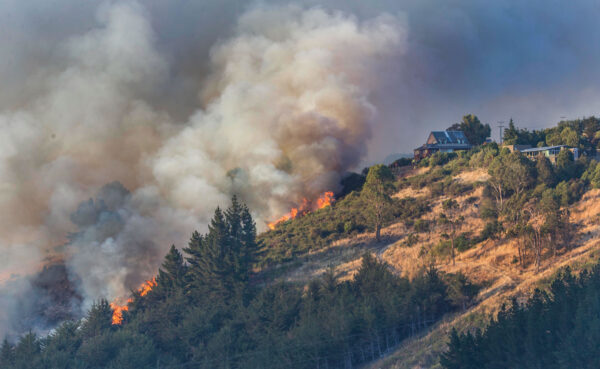
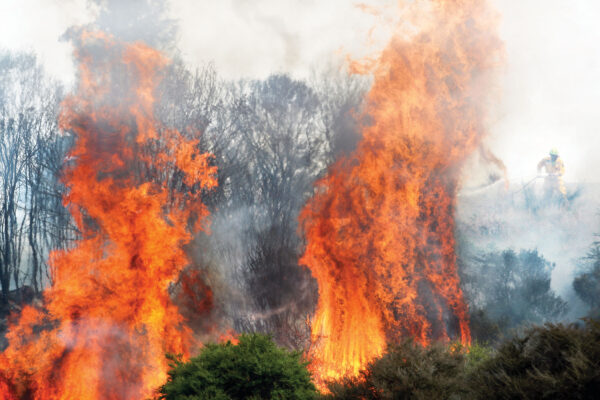
A massive wildfire has engulfed parts of New Zealand’s Tongariro National Park, burning through more than 2,500 hectares of native alpine bush and prompting widespread evacuations. The fire, which began on November 8, 2025, has become one of the largest in recent years, raising serious concerns about climate resilience and conservation in the region.
The blaze broke out in rugged terrain within the UNESCO World Heritage–listed national park, located in New Zealand’s central North Island. The park, home to iconic volcanic peaks such as Ruapehu and Tongariro, is a popular hiking and tourism destination. Eyewitnesses described dramatic scenes as smoke plumes darkened the skies, visible from miles away, and strong winds fanned flames across dry alpine vegetation.
Authorities immediately dispatched multiple fire crews, helicopters, and aerial tankers to combat the blaze. However, steep slopes, dense bushland, and shifting winds made firefighting extremely challenging. Residents and tourists in Whakapapa Village and nearby lodges were quickly evacuated as a precautionary measure. Local officials have urged the public to avoid the area, with several popular trekking routes, including parts of the Tongariro Alpine Crossing, temporarily closed for safety reasons.
Fire and Emergency New Zealand (FENZ) confirmed that recent rainfall has helped ease the fire’s intensity, allowing ground crews to reinforce containment lines. “We’ve seen a major reduction in visible fire activity,” said a FENZ spokesperson. “But hotspots remain, and with changing weather conditions, there’s still a risk of flare-ups.” As of November 10, aerial surveys revealed that while the fire’s core activity has slowed, monitoring and mop-up operations will continue for several days.
Environmental experts warn that the ecological impact could be significant. The alpine flora in Tongariro is slow-growing, and the park is home to several endangered species. Ecologists fear long-term habitat loss and disruption to the delicate ecosystem. The fire has also reignited discussions about the increasing frequency of wildfires linked to prolonged dry spells and rising temperatures across New Zealand, consistent with broader global climate patterns.
Air quality in surrounding towns has been affected, prompting health advisories, especially for people with respiratory conditions. Authorities have asked residents to limit outdoor exposure and keep windows closed until smoke levels subside.
Prime Minister Christopher Luxon expressed concern and praised emergency crews for their swift response. “This is a sobering reminder of the challenges posed by climate change and the need to strengthen our emergency preparedness,” he said.
As fire crews gain control, attention is turning to recovery and restoration. Conservation teams will soon assess the extent of environmental damage, while local tourism operators face temporary setbacks due to closures. Despite the devastation, officials emphasize the community’s resilience and commitment to protecting one of New Zealand’s most cherished landscapes.
The Tongariro wildfire serves as a powerful warning about the growing threat of wildfires in ecologically sensitive areas, underscoring the urgent need for better fire management, sustainable land practices, and proactive climate adaptation strategies in the years ahead.
Note: Content and images are for informational use only. For any concerns, contact us at info@rajasthaninews.com.

Previous Post

Next Post
"इको-फ्रेंडली इनोवेश...
Related Post