
this story’s got the energy of an old parliament debate mixed with modern digital drama. And honestly, it hits like one of those moments when tradition collides with tech, and everyone starts talking at once.
1. The New Storm Brewing in Delhi
The word around Delhi’s power corridors is that the Indian government is exploring stronger, more centralized phone-location tracking systems.
Nothing vague — we’re talking precise, persistent, device-level location mapping for “national security and service improvement.”
Officials say it’s about criminal tracking, missing persons, and emergency response.
But the fine print?
It hints at a deeper, broader, always-on surveillance framework that telecoms and mobile OS giants simply aren’t vibing with.
2. Why the Government Wants This
The ministries pushing this idea keep repeating three big reasons:
A. National Security
They argue that organized crime, terror networks, and digital fraudsters are getting smarter.
Real-time tracking, in their view, is the next logical tool.
B. Disaster & Emergency Response
Think floods, earthquakes, rail mishaps — officials believe instant mass location data could literally save lives.
C. SIM & Device Verification
There’s a rising concern about cloned devices, fake IMEIs, and SIM box fraud. Location data could help weed out rogue devices fast.
That’s the official story — pretty straightforward, no sugar-coating needed.
3. Big Tech Isn’t Having It
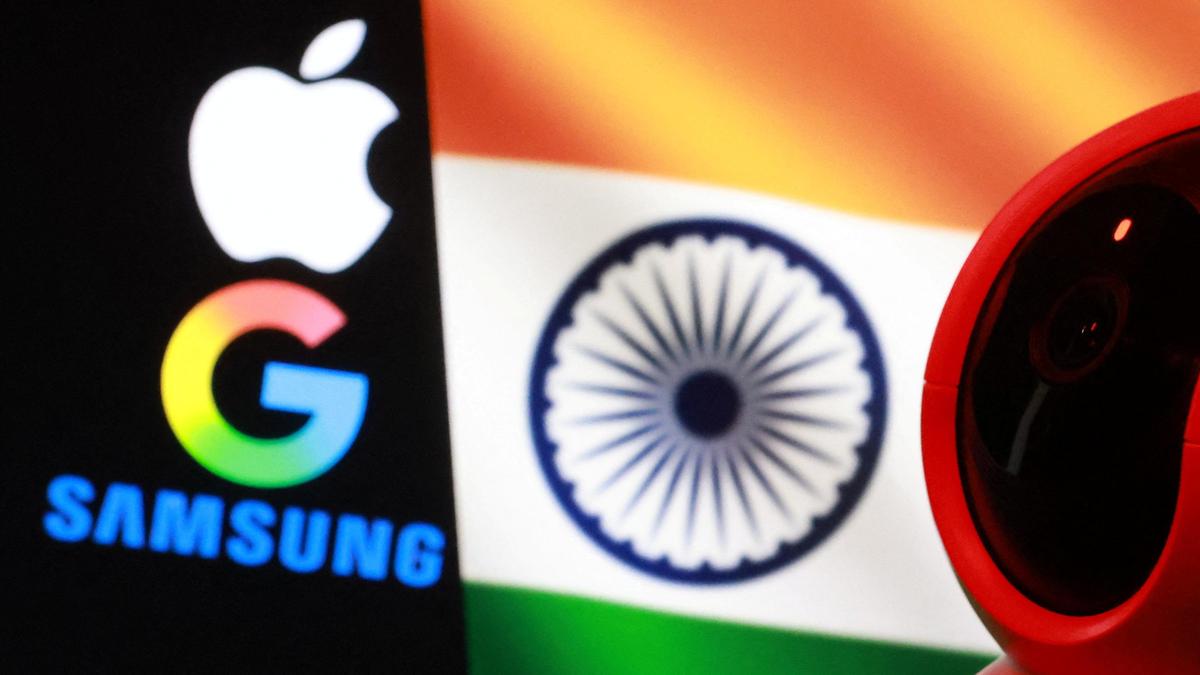
Apple, Google, and Samsung — usually chill about following country-specific rules — are suddenly standing shoulder-to-shoulder like some unexpected Avengers team-up.
Their vibe is basically:
“Bro, you’re crossing a line.”
Apple’s Angle
You already know Apple. Privacy is its whole personality.
They warn that:
Device-level location triggers risk breaking iOS security architecture
Any “forced access” could expose users to hackers
Such rules may violate global privacy commitments (GDPR, US policies, etc.)
Google’s Take
Google’s more flexible usually, but even they’re like:
“Real-time tracking by external entities? Nah.”
They fear:
Android’s permission structure being bypassed
Increased risk of global regulatory scrutiny
Weakening trust in Android devices in India
Samsung’s Concerns
Samsung plays both sides — hardware + OS.
Their warning is blunt:
“This can put hundreds of millions of Indian users at risk if the data pipeline isn’t airtight.”
4. Industry Groups Chime In — And They’re Loud
Telecom operators, cybersecurity experts, digital rights activists — everyone has thoughts, and the tea is hot.
Telecom Companies (Jio, Airtel, Vi)
They’re caught in the crossfire.
Government says “do it”, but tech giants say “we won’t allow it.”
Telcos fear:
Being blamed for privacy violations
Having to overhaul data infrastructure
Legal liabilities down the line
Digital Rights Groups
Oh, they’re saying it straight:
“This is mass surveillance with extra steps.”
5. Global Shockwaves — Because the World Is Watching
This isn’t happening in a vacuum.
International observers see it as part of a bigger pattern:
Governments tightening control over digital ecosystems.
They’re comparing India’s moves with:
China’s state-driven monitoring
US emergency geolocation access
EU’s ultra-strict privacy barriers
And India?
It’s trying to walk the tightrope between national security and global digital reputation.
6. The Technical Problem No One Wants to Talk About
Location data isn’t just “some numbers on a map.”
Real-time deep tracking can:
Expose users to hacking
Reveal movement patterns
Put journalists, activists, and dissenters at risk
Break encrypted communication assumptions
Once such a system exists…
It’s like an old key lying around in a giant mansion — someday, someone will find a way to misuse it.

7. The Government’s Counterargument
Officials are shrugging it off, saying:
“Bro, we’re not spying on regular citizens. It's for safety.”
They insist:
Access will be restricted
Oversight mechanisms will exist
It will only be used for “legitimate investigations”
But critics argue that India lacks:
Dedicated federal privacy laws
Strong data protection enforcement
Clear transparency protocols
Which leaves… well, a big trust gap.
8. The Clash of Titans: Meetings, Emails & Heated Calls
According to insiders (yeah, the chai stall gossip hits different), high-level meetings have already happened.
Tech giants reportedly told the government:
“We won’t break encryption for anyone”
“We cannot give backdoor access”
“Location control belongs to the user, full stop”
And government officials basically said:
“National security > platform policy”
“India’s rules apply in India”
“Compliance is non-negotiable”
Old-school authority vs modern tech freedom — classic storyline.
9. What This Means for India’s 1.4 Billion Phone Users
This is the real question — where does this leave the people?
Potential impacts:
Lower trust in smartphones
Increased fear around digital movement
Reduced confidence in foreign device makers
More legal challenges to privacy rights
On the flip side, if used correctly:
Missing persons could be found faster
Emergency rescues could improve
Criminal networks might be disrupted
So yeah… double-edged sword territory.
10. What Happens Next?
This isn’t ending soon. Expect:
More negotiations
Possible revisions to the draft policy
Tech giants considering legal options
Parliament debates
Public scrutiny
International human rights watchdog attention
If India softens the policy → tech giants will cooperate.
If India sticks to it → we might see a global standoff.
And honestly?
This could become one of the defining digital-policy moments of the decade.
11. Bigger Picture — The World Is Changing
We’re living in a time when:
Data is power
Location is identity
And governments are rewriting the rules
India’s move is just one chapter in a much bigger story about how the world balances safety, freedom, and tech.
Note: Content and images are for informational use only. For any concerns, contact us at info@rajasthaninews.com.

Previous Post

Next Post
TSMC Optimistic Amid...
Related Post