
Environment
ICAR Study Finds Climate Change and Fertilizer Imbalance Depleting Soil Organic Carbon Across India
A landmark study conducted by scientists from the Indian Council of Agricultural Research (ICAR) has sounded an alarm over the declining levels of soil organic carbon (SOC) across India, linking the deterioration to both climate change and imbalanced fertilizer use. The comprehensive study, which analyzed more than two lakh soil samples collected from diverse agro-climatic zones, reveals a concerning trend of declining soil fertility—posing serious challenges for India’s long-term agricultural sustainability and food security.
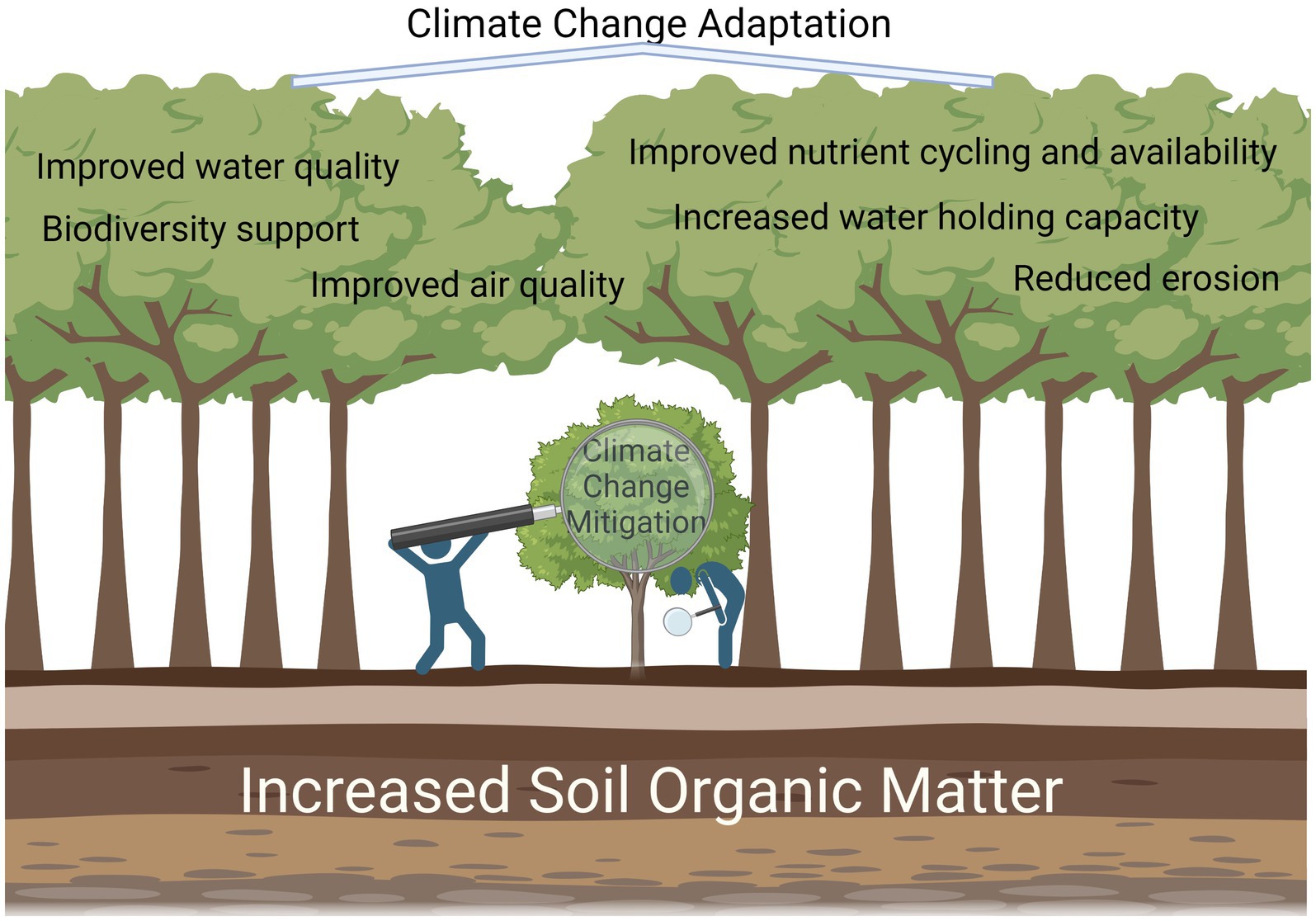
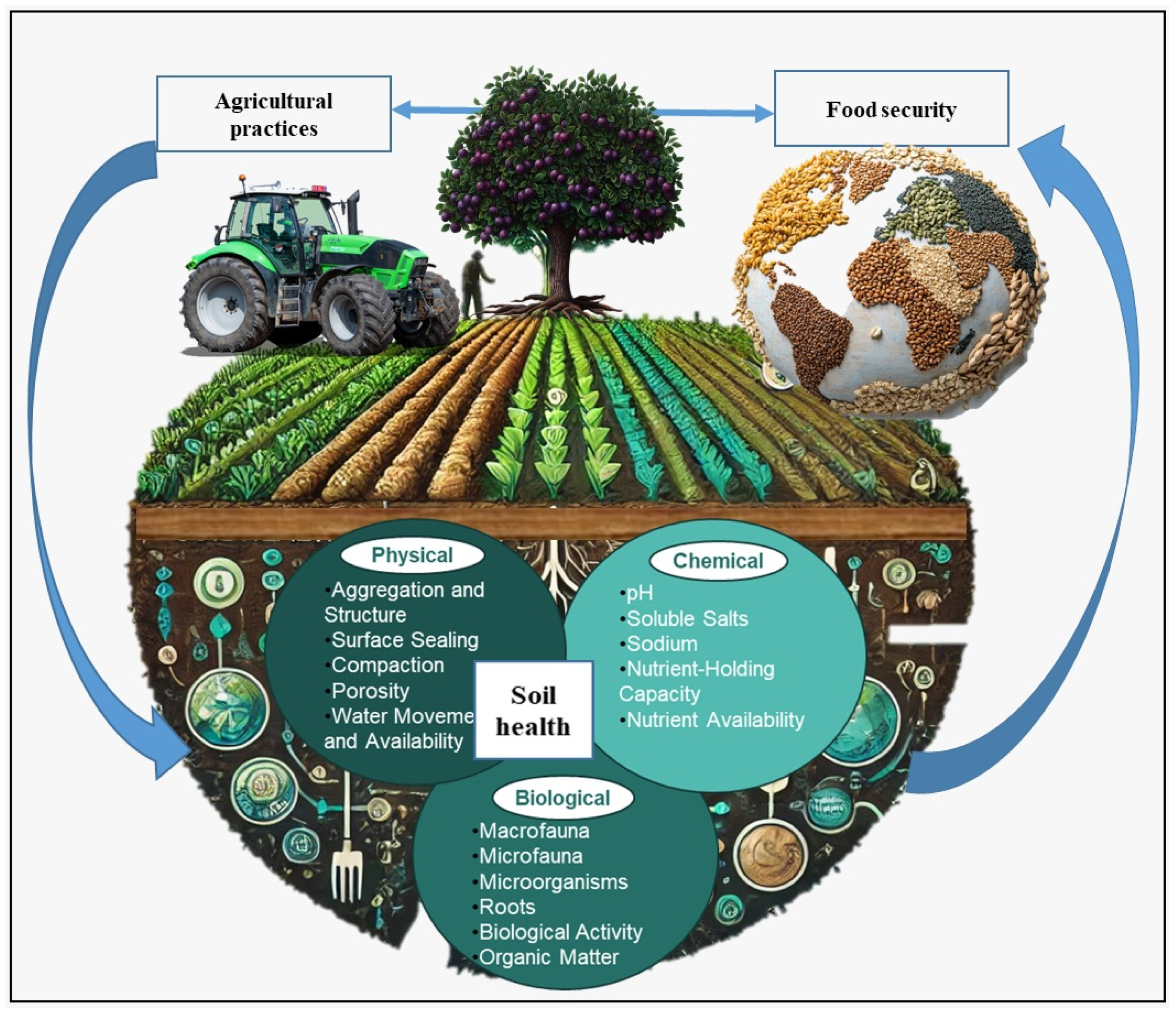
Soil organic carbon is a crucial component of healthy soil, determining its structure, fertility, and water-holding capacity. It plays a key role in nutrient cycling, microbial activity, and carbon sequestration. However, ICAR’s findings show that rising temperatures, erratic rainfall patterns, and the excessive use of nitrogen-based fertilizers are accelerating the depletion of natural carbon reserves in Indian soils. The study underscores that the combined impact of human-induced climate change and poor soil management practices is undermining the very foundation of India’s agricultural productivity.
According to ICAR scientists, climate variability—including prolonged droughts, intense heat waves, and irregular monsoons—has reduced organic matter accumulation in many regions. At the same time, farmers’ dependence on chemical fertilizers, particularly urea, has led to an imbalance between nitrogen, phosphorus, and potassium (NPK) inputs. This imbalance disrupts soil microbial ecosystems, reduces carbon fixation, and weakens soil’s natural regenerative capacity.
The study notes that many states in northern and eastern India, including Uttar Pradesh, Bihar, Punjab, Haryana, and West Bengal, have shown significant declines in soil organic carbon levels over the past decade. Regions with intensive crop cultivation, particularly under rice–wheat systems, are the most affected. Scientists warn that continued depletion could lead to long-term soil degradation, reduced yields, and greater vulnerability to climate-induced stress.
Beyond crop productivity, the loss of soil organic carbon also has wider environmental implications. Healthy soils act as carbon sinks, helping to absorb atmospheric CO₂ and mitigate global warming. When organic carbon is depleted, soils not only lose their fertility but also release stored carbon back into the atmosphere, further intensifying climate change. This vicious cycle, researchers caution, could jeopardize both agricultural and environmental sustainability if not urgently addressed.
To tackle this growing crisis, the ICAR study has proposed a multi-pronged strategy for both farmers and policymakers. Among the key recommendations are:
Promoting balanced fertilizer application based on soil testing and crop requirements rather than blanket use of nitrogen-rich inputs.
Encouraging organic amendments, such as compost, green manure, crop residues, and biofertilizers, to restore soil organic matter.
Adopting conservation agriculture practices, including minimal tillage, cover cropping, and crop diversification, to protect soil structure and enhance carbon retention.
Expanding programs for integrated nutrient management (INM) that combine chemical and organic inputs to maintain long-term soil health.
Supporting farmer education and extension services to build awareness about sustainable soil practices and the role of carbon in agriculture.
The researchers also call on state and central governments to integrate soil carbon restoration into national climate and agricultural policies. By recognizing soil as a critical component of both climate mitigation and food security strategies, India can address multiple challenges—improving yields, reducing emissions, and enhancing resilience to climate shocks.
Note: Content and images are for informational use only. For any concerns, contact us at info@rajasthaninews.com.

Previous Post

Next Post
"इको-फ्रेंडली इनोवेश...
Related Post