
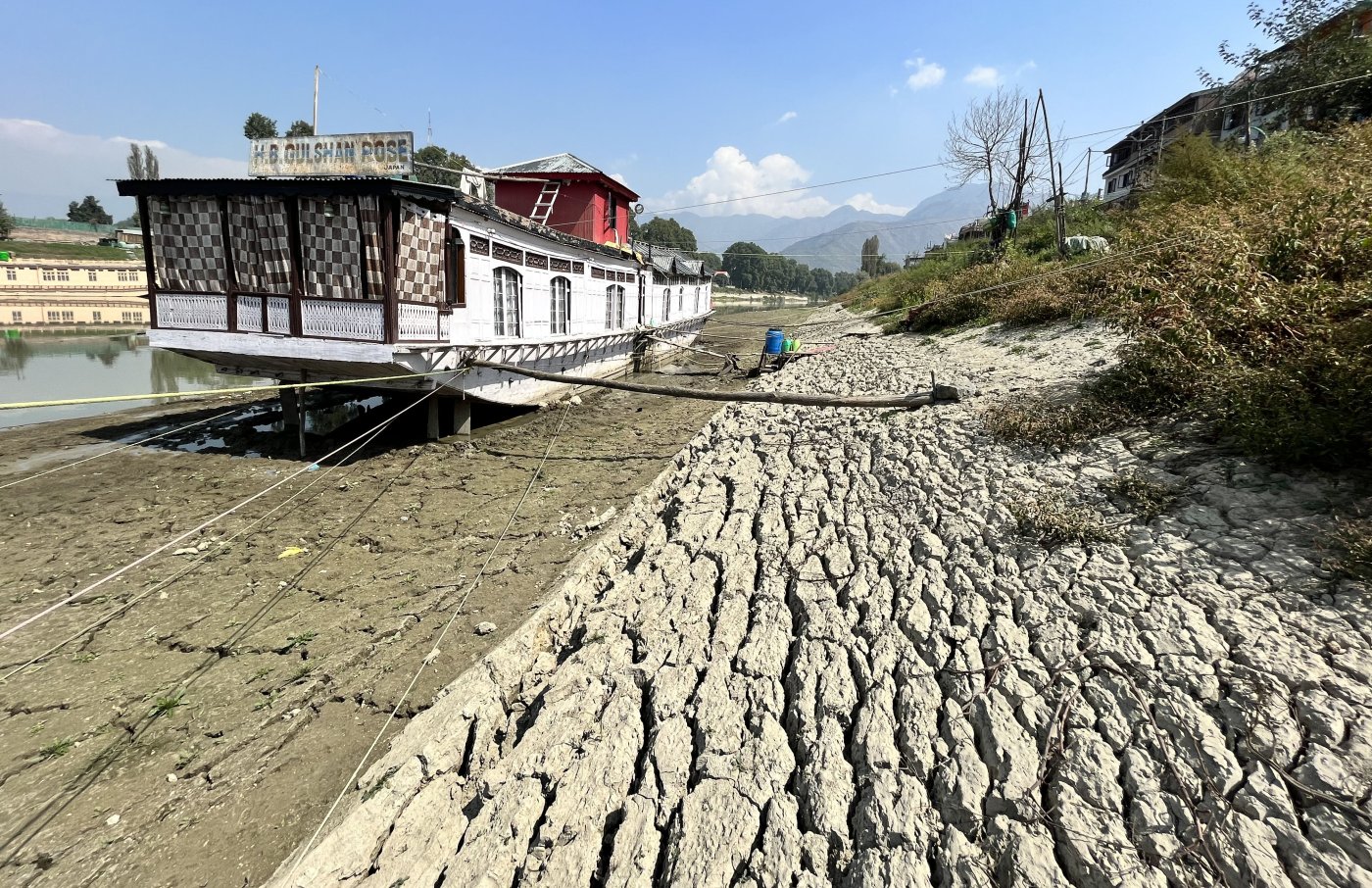
Kashmir is experiencing increasingly dry winters, a trend that climate experts link to the growing impact of climate change on the Himalayan region. Traditionally known for heavy snowfall and prolonged winter precipitation, the Valley has witnessed a worrying decline in snow and rain in recent years, raising concerns over water availability, agriculture, and long-term ecological stability.
Meteorological data indicate that winter precipitation in Kashmir has fallen well below average during several recent seasons. Snowfall, which once blanketed large parts of the Valley and surrounding mountains, has become erratic and delayed. Experts say this shift is consistent with broader climate patterns affecting the western Himalayas, where rising temperatures are altering snowfall timing and intensity.
Snow plays a critical role in Kashmir’s natural water cycle. Meltwater from winter snow feeds rivers, streams, and groundwater reserves during spring and summer. Reduced snowfall means lower water availability in the months ahead, increasing the risk of water stress during peak agricultural and domestic demand periods. Officials warn that continued dry winters could have serious implications for drinking water supply and irrigation.
Farmers are among the most affected. Horticulture, particularly apple cultivation — a key economic activity in Kashmir — depends heavily on adequate winter chilling and moisture. A lack of snowfall can disrupt crop cycles, reduce yields, and increase vulnerability to pests and diseases. Farmers report growing uncertainty as traditional weather patterns become less reliable.
Dry winters also affect tourism, a major contributor to the region’s economy. Snow-based tourism, including winter sports and seasonal travel, depends on consistent snowfall. Reduced snow cover not only affects tourist inflow but also shortens the winter tourism season, impacting local employment and businesses.
Climate scientists point to rising average temperatures as a key driver behind Kashmir’s changing winters. Warmer conditions mean more precipitation falls as rain instead of snow, while overall moisture levels decline due to shifting atmospheric circulation patterns. The weakening of western disturbances — weather systems that bring winter precipitation to north India — is also believed to be influenced by global climate change.
Environmental experts warn that prolonged dry winters could increase the risk of forest fires in surrounding regions and reduce soil moisture, further stressing fragile mountain ecosystems. Glaciers, already retreating due to warming temperatures, may lose an important source of seasonal replenishment, accelerating long-term ice loss.
Authorities and climate experts stress the need for better water management and climate adaptation strategies. Measures such as improving water storage, protecting wetlands, monitoring snowfall trends, and supporting climate-resilient agriculture are seen as essential to mitigate the impacts of changing winter patterns.
Kashmir’s dry winters serve as a stark reminder that climate change is reshaping weather systems in sensitive Himalayan regions. As the Valley grapples with declining snowfall and rainfall, experts warn that proactive planning and climate-focused policy interventions are crucial to safeguard water security, livelihoods, and ecological balance in the years to come.

Note: Content and images are for informational use only. For any concerns, contact us at info@rajasthaninews.com.

Previous Post

Next Post
"इको-फ्रेंडली इनोवेश...
Related Post