
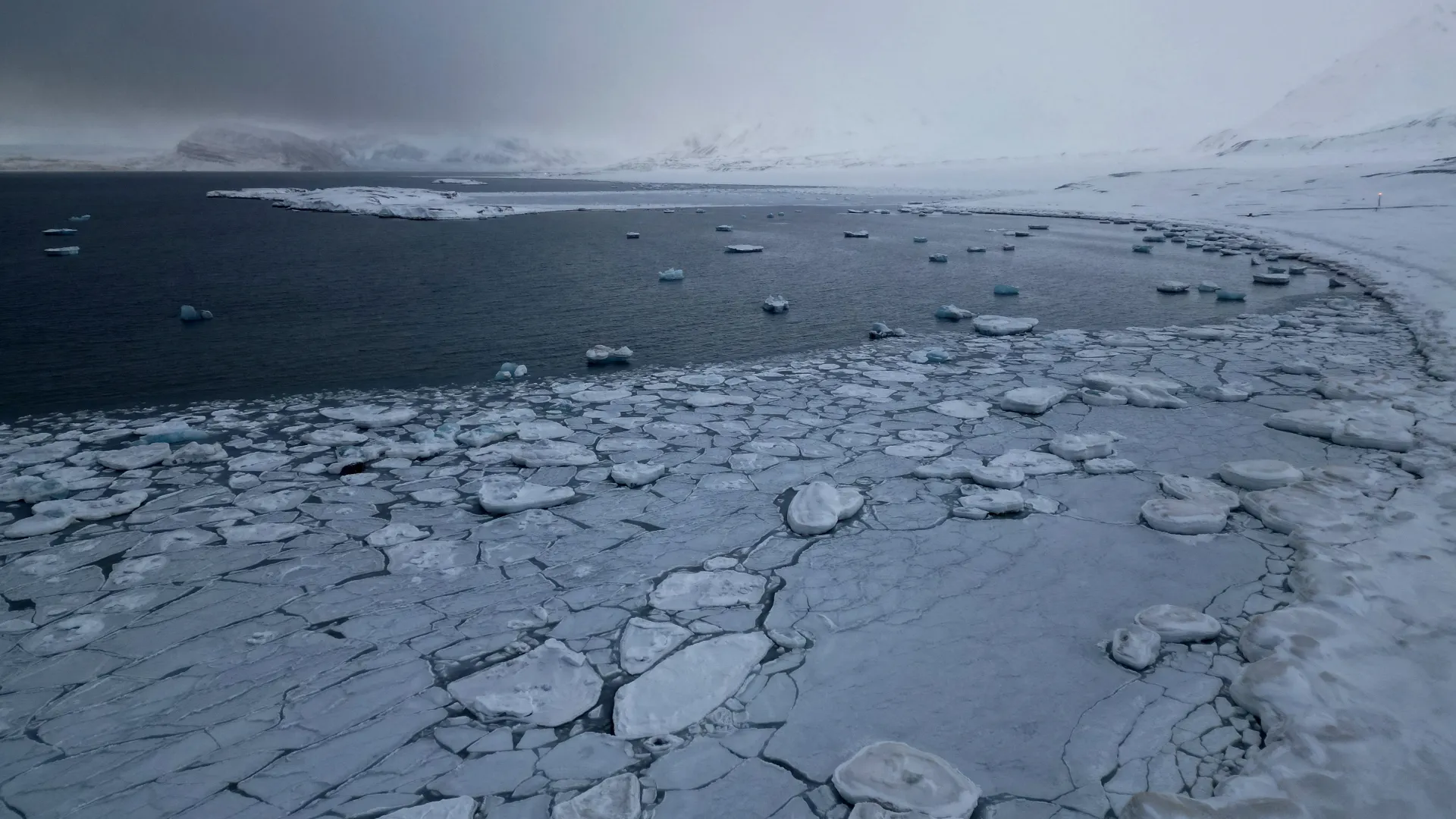
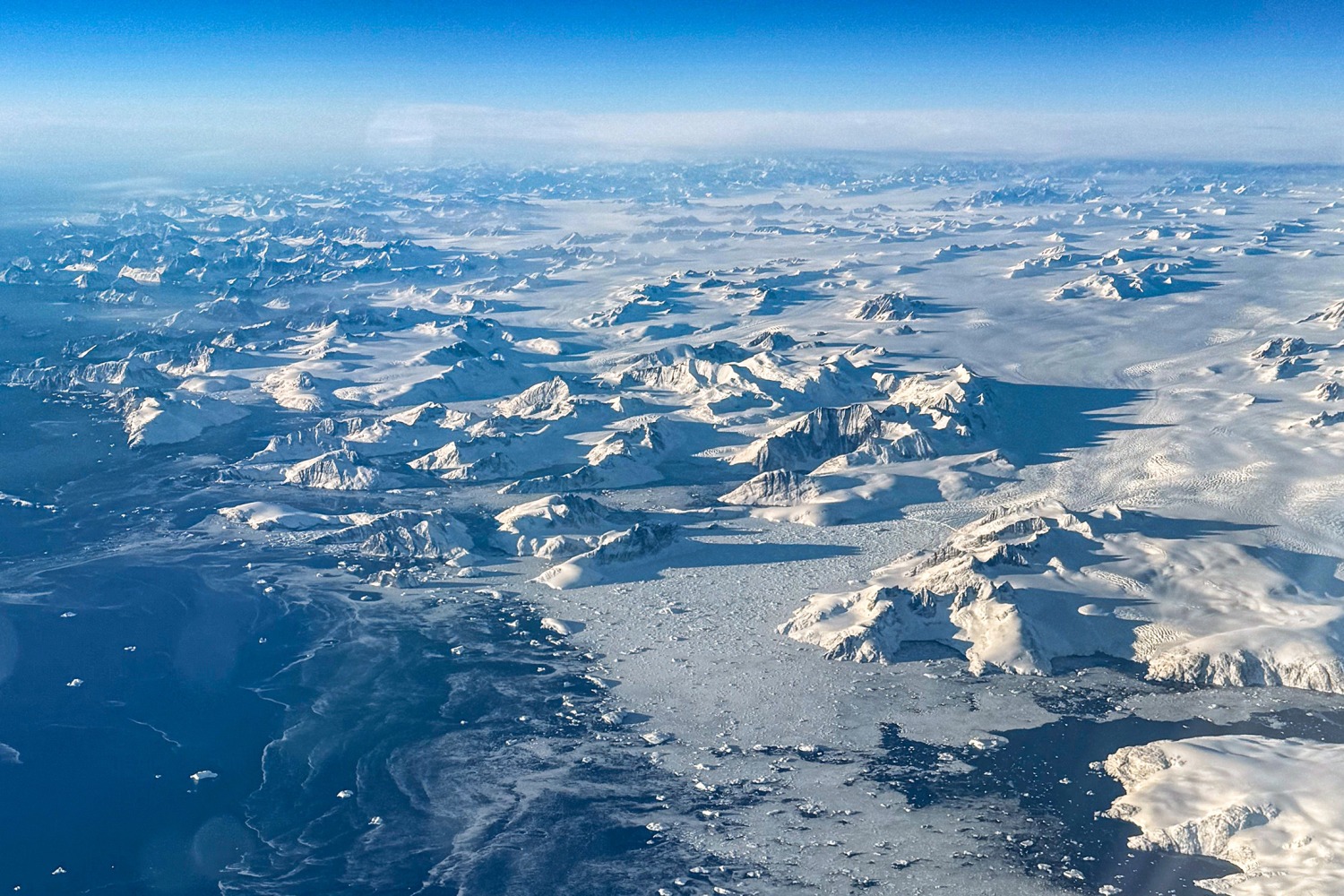
The Arctic region experienced its hottest year in at least 125 years between October 2024 and September 2025, according to the latest Arctic Report Card released by the U.S. National Oceanic and Atmospheric Administration (NOAA). The findings offer one of the clearest signals yet of how rapidly climate change is transforming Earth’s northernmost region, with far-reaching implications for global weather patterns, sea levels, and ecosystems.
NOAA’s annual Arctic Report Card compiles observations from scientists across multiple disciplines, including atmospheric science, oceanography, and ecology. The latest assessment shows that average Arctic surface air temperatures during the 12-month period were well above historical norms, continuing a decades-long warming trend that has accelerated sharply in recent years. Scientists note that the Arctic is warming nearly four times faster than the global average, a phenomenon known as Arctic amplification.
Rising temperatures have had a direct impact on sea ice extent and thickness, which remain among the most visible indicators of climate change. According to the report, Arctic sea ice continued to thin and retreat, with older, multi-year ice becoming increasingly rare. Reduced ice cover exposes darker ocean surfaces, which absorb more solar radiation and further intensify warming — creating a self-reinforcing feedback loop.
The record warmth has also affected permafrost, the frozen ground that underpins much of the Arctic landscape. NOAA scientists warned that thawing permafrost is releasing greenhouse gases such as carbon dioxide and methane, potentially accelerating global warming even further. Infrastructure in Arctic communities, including roads and buildings, is also at increased risk as ground stability declines.
Ecological impacts are becoming more pronounced as well. Warmer conditions are altering marine and terrestrial ecosystems, affecting species migration patterns, food availability, and biodiversity. Changes in plankton populations and fish distributions have implications not only for wildlife but also for Indigenous communities that rely on traditional hunting and fishing practices.
Beyond the Arctic, the consequences of this record-breaking heat are being felt worldwide. Scientists have linked Arctic warming to disruptions in atmospheric circulation, which can influence extreme weather events at lower latitudes, including heatwaves, cold spells, and shifts in precipitation patterns across North America, Europe, and Asia.
NOAA officials stressed that the findings of the Arctic Report Card underscore the urgency of addressing climate change through global emissions reductions and adaptation strategies. The report serves as a scientific benchmark, documenting how human-driven warming is reshaping one of the planet’s most sensitive regions at an unprecedented pace.
As policymakers prepare for upcoming international climate discussions, the Arctic’s hottest year on record stands as a stark reminder that climate change is no longer a distant threat. The transformations underway in the Arctic today may define environmental and economic realities for decades to come, making immediate action critical for both regional and global stability.
Note: Content and images are for informational use only. For any concerns, contact us at info@rajasthaninews.com.

Previous Post

Next Post
"इको-फ्रेंडली इनोवेश...
Related Post