
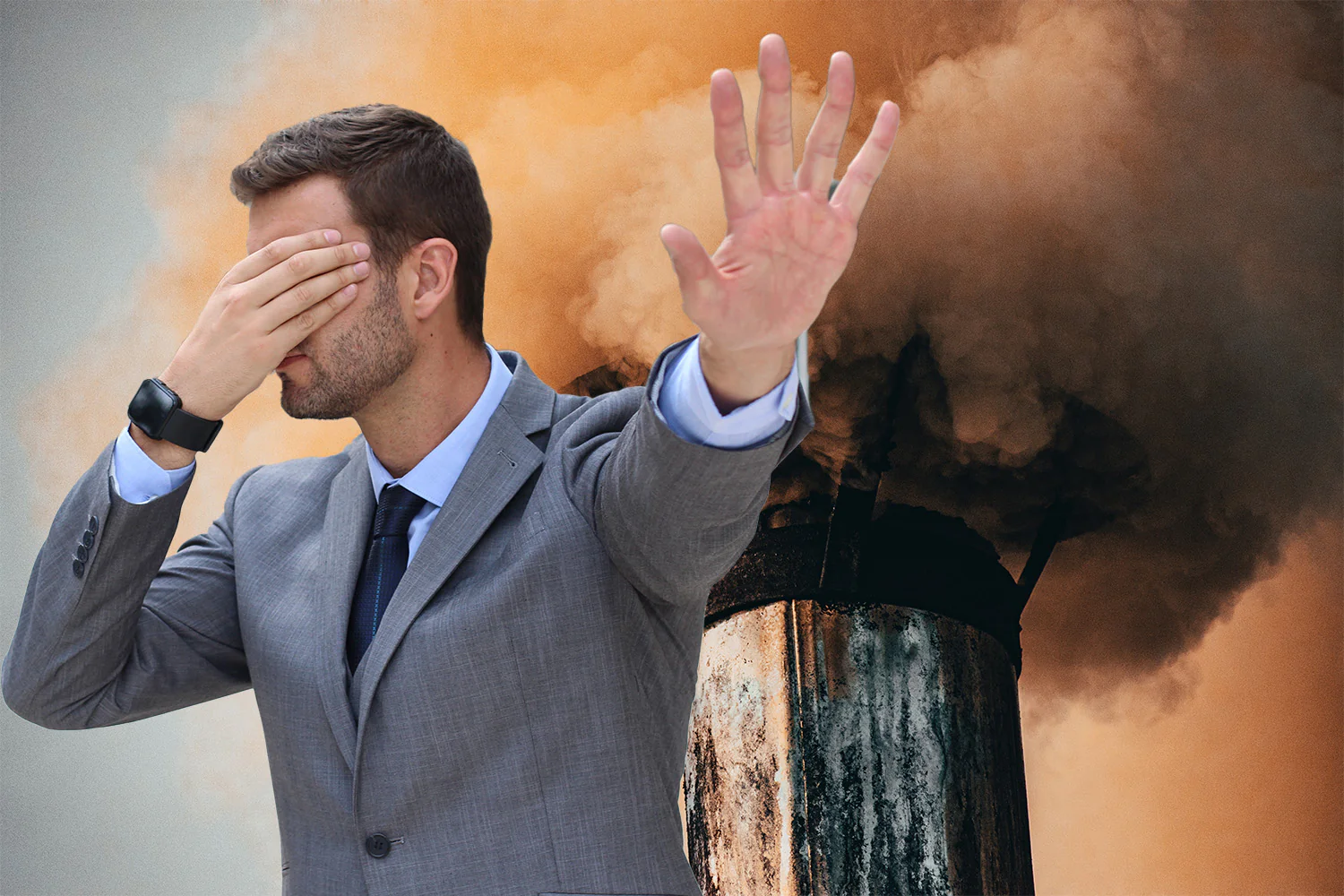
Air pollution is a pressing public health issue in India, with major cities frequently recording hazardous air quality levels. While respiratory and cardiovascular effects of polluted air are widely discussed, the impact on eye health is less recognized, yet significant. Eyes are constantly exposed to the atmosphere, making them directly vulnerable to airborne pollutants like particulate matter (PM2.5 and PM10), sulfur dioxide (SO₂), nitrogen oxides (NOₓ), ozone (O₃), and smog particles—all common in India’s air.
When polluted air comes into contact with the eye’s delicate surface, it can disrupt the tear film and irritate the cornea and conjunctiva. This often leads to symptoms such as redness, itching, burning sensation, excessive tearing, or dryness. These symptoms are more than discomfort; they signal inflammation that, if persistent, can compromise vision quality.
Acute exposure to high pollution levels, especially during winter months when smog worsens in regions like Delhi and the Indo-Gangetic plains, often triggers conjunctivitis (inflammation of the eye’s outer membrane). Many people experience “red eye” or irritation flare-ups during smog episodes. Schools and outdoor activities may be canceled when air quality reaches hazardous levels, partly because of these health concerns.
Moreover, chronic exposure to polluted air can exacerbate underlying eye conditions like dry eye syndrome—a condition where the eyes do not produce enough tears or the tears evaporate too quickly. Dry eye can significantly affect daily functioning, causing blurred vision, sensitivity to light, and difficulty focusing. In severe cases, persistent inflammation may contribute to more serious issues like corneal damage or increased risk of infections.
Certain groups are at higher risk for pollution-related eye problems:
Children, whose visual system is still developing
Elderly individuals, who often have weaker tear production
Outdoor workers, including traffic police, street vendors, and construction laborers
People with pre-existing eye conditions or allergies
Prevention and protection are essential. Simple strategies can reduce eye exposure to harmful air:
Wear protective eyewear (wraparound glasses or pollution shields) when outdoors
Use air purifiers at home, especially in urban areas with high pollution
Keep windows closed and avoid outdoor exercise on high Pollution Index days
Rinse eyes with clean water if irritation occurs
Seek medical advice for persistent symptoms
Public health initiatives are also critical. Policies aimed at reducing emissions from vehicles, industry, and biomass burning not only improve overall air quality but also help protect eye health. Awareness campaigns should include eye-related effects to ensure people take appropriate precautions.
In summary, while air pollution in India is widely known for its effects on lungs and heart, its direct impact on eye health is substantial and often overlooked. Understanding the connection, recognizing symptoms early, and adopting protective measures can help preserve vision and quality of life in a rapidly urbanizing nation.

Note: Content and images are for informational use only. For any concerns, contact us at info@rajasthaninews.com.
Previous Post

Next Post
40 के बाद शर्ट से बा...
Related Post