
Health
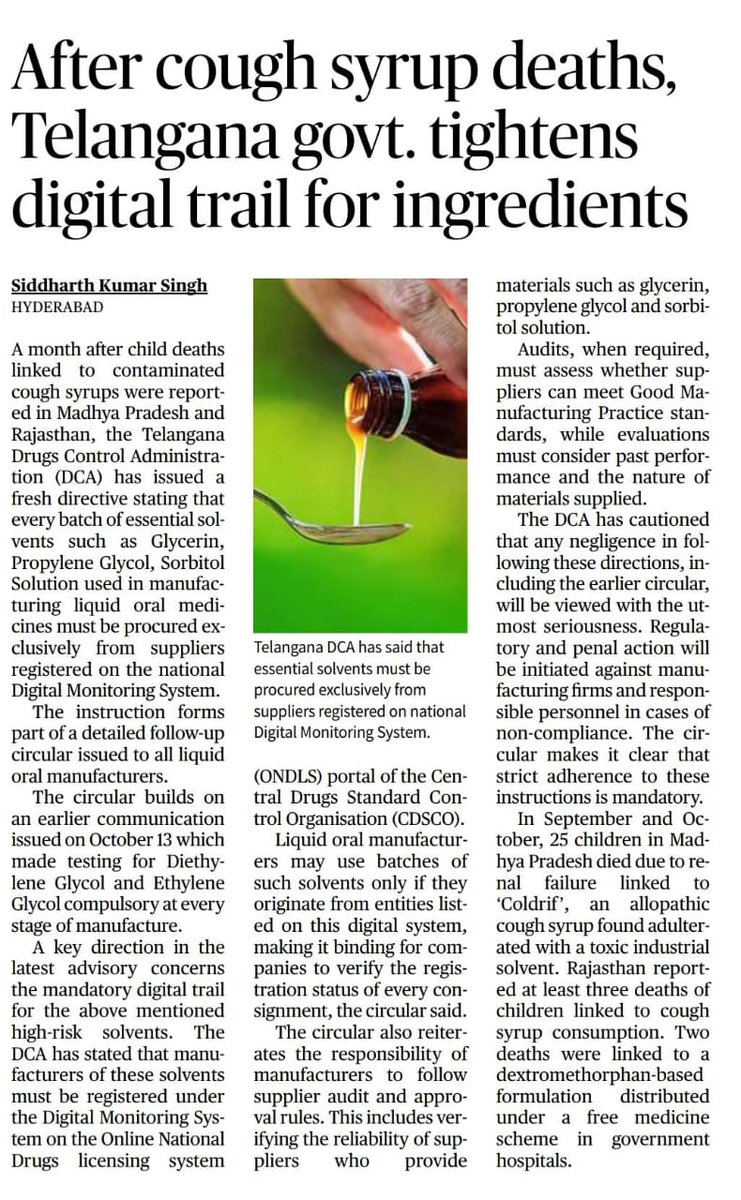
After cough syrup deaths, Telangana makes digital registration mandatory for procuring essential solvents
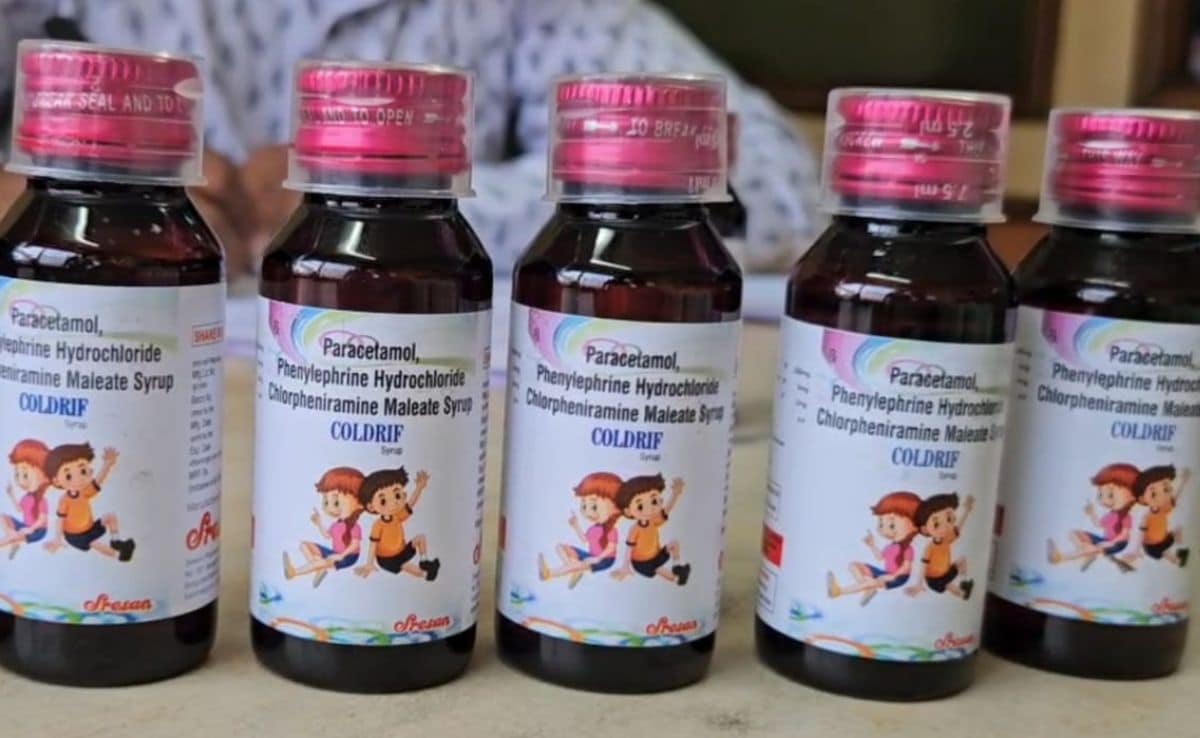
In the wake of a series of tragic cough syrup–related deaths, the Telangana government has taken a decisive regulatory step by introducing mandatory digital registration for procuring essential solvents used in pharmaceutical manufacturing. This move aims to increase transparency, strengthen oversight, and curb the misuse of key chemical ingredients that can compromise drug quality and safety. The new system marks a shift toward modernizing chemical procurement practices and ensuring stricter monitoring of substances that serve as vital inputs for medicines, especially syrups and liquid formulations.
Essential solvents such as glycerin, propylene glycol, and sorbitol are commonly used as carriers in cough syrups and other liquid drugs. However, when contaminated—often due to improper sourcing, poor quality control, or adulteration—these solvents can become dangerous and even fatal. Recent investigations into the cough syrup deaths revealed lapses in supply chain tracking and inadequate verification of the raw materials’ quality. By mandating digital registration, the Telangana government aims to plug these gaps and create a secure digital trail from procurement to usage.
Under the new system, manufacturers, suppliers, and traders dealing with these essential solvents must register through an online platform managed by the state’s drug regulatory authorities. This platform will record critical information such as supplier details, quantities purchased, batch numbers, intended use, and distribution channels. Authorities will have real-time access to this data, enabling them to identify suspicious transactions, irregular procurement patterns, and potential cases of adulteration much faster than before.
The transition to a digital tracking mechanism is expected to significantly improve regulatory vigilance. Previously, chemical procurement relied heavily on manual records, making it difficult to identify discrepancies or track the movement of solvents across multiple stakeholders. The new system digitizes the entire procurement lifecycle, reducing the chances of forged documentation, unauthorized sales, or unverified suppliers entering the pharmaceutical supply chain. It also empowers inspectors to carry out targeted audits based on data analytics and high-risk flags triggered by the system.
For pharmaceutical companies, this change represents both a compliance responsibility and an opportunity to enhance internal quality assurance. Large manufacturers may adapt quickly due to existing digital infrastructure, while smaller firms are expected to undergo training and familiarization programs supported by the state. The government has emphasized that this measure is not meant to burden legitimate businesses but to ensure that public health remains the top priority.
Public health experts have welcomed the move, suggesting that it could become a model for other states and even for nationwide implementation. With India being one of the world’s largest manufacturers of generic pharmaceuticals, maintaining the highest standards in raw material procurement is crucial. The digital registration mandate reinforces the broader need for robust supply chain visibility, quality monitoring, and coordinated regulatory oversight.
As the pharmaceutical industry continues to evolve, Telangana’s initiative highlights the state’s commitment to preventing tragedies linked to compromised medicines. By adopting a technology-driven approach to solvent procurement, the government aims to build a safer, more accountable pharmaceutical ecosystem—one where quality lapses can be detected early, and lives can be protected.
Note: Content and images are for informational use only. For any concerns, contact us at info@rajasthaninews.com.
Previous Post

Next Post
40 के बाद शर्ट से बा...
Related Post