
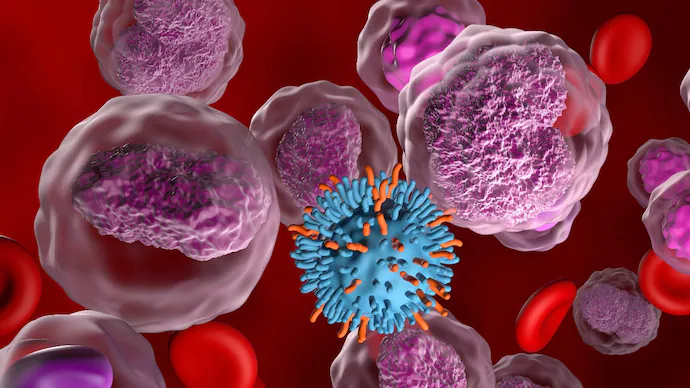
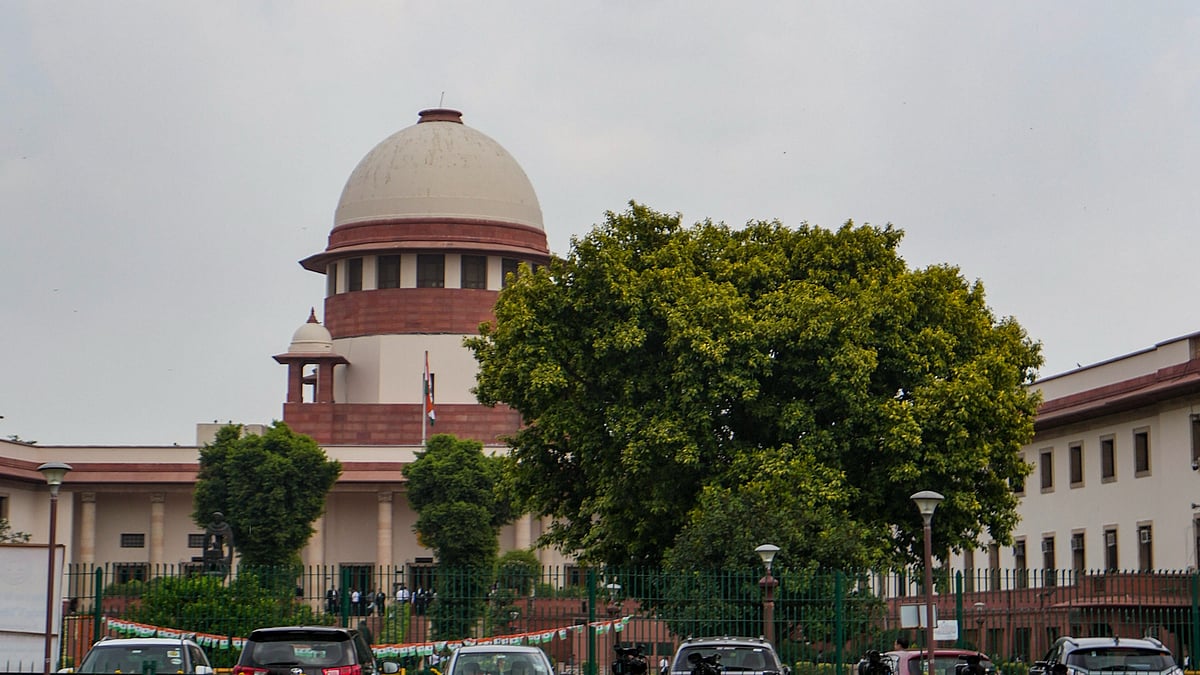
The Supreme Court of India has sought responses from the Centre and States on a petition seeking to declare cancer a notifiable disease, a move that could significantly transform how the country tracks, reports, and manages one of its most serious public health challenges. The plea, filed by a retired AIIMS oncologist, argues that India currently lacks a comprehensive and systematic mechanism to monitor cancer cases nationwide, leading to widespread under-reporting and delayed interventions.
According to the petition, nearly 90% of India’s population is not covered by any organised cancer surveillance system. Unlike infectious diseases such as tuberculosis, COVID-19, or dengue — which must be reported to authorities — cancer reporting remains fragmented, voluntary, and inconsistent across states. This, the petitioner argues, severely limits the government’s ability to understand disease patterns, allocate resources effectively, and implement timely prevention and treatment strategies.
The plea highlights “chronic and severe under-reporting” of cancer cases, particularly in rural and semi-urban areas where diagnostic facilities are limited and many patients never enter formal healthcare systems. As a result, official cancer statistics may vastly underestimate the true burden of the disease, masking regional hotspots and emerging trends that require urgent policy attention.
A major concern raised before the court is the spread of medical misinformation related to cancer treatment and prevention. The petition flags the promotion of unscientific claims — including assertions that substances such as cow urine can cure cancer — which not only mislead patients but can also delay evidence-based treatment. In the absence of robust surveillance and public awareness mechanisms, such misinformation thrives, often with fatal consequences for vulnerable patients.
Declaring cancer a notifiable disease would require hospitals, diagnostic centres, and medical practitioners — both public and private — to mandatorily report confirmed cases to government authorities. Supporters of the move argue that this would lead to the creation of a national cancer registry with real-time data, enabling better policy planning, early detection programmes, and targeted interventions.
However, the issue also raises concerns about data privacy, patient confidentiality, and administrative capacity, especially given India’s vast population and strained public health infrastructure. These questions are likely to form a key part of the government’s response to the Supreme Court.
The apex court’s decision to seek responses signals growing judicial attention to non-communicable diseases, which account for a large share of India’s disease burden. Cancer cases in the country are projected to rise sharply over the next two decades due to ageing populations, lifestyle changes, environmental factors, and delayed diagnoses.
If the plea is accepted, it could mark a watershed moment in India’s public health policy, bringing cancer under the same surveillance framework as infectious diseases and strengthening the fight against both under-reporting and medical misinformation. The case underscores the urgent need for accurate data, scientific awareness, and coordinated national action to address one of India’s most pressing health challenges.
Note: Content and images are for informational use only. For any concerns, contact us at info@rajasthaninews.com.
Previous Post

Next Post
40 के बाद शर्ट से बा...
Related Post