
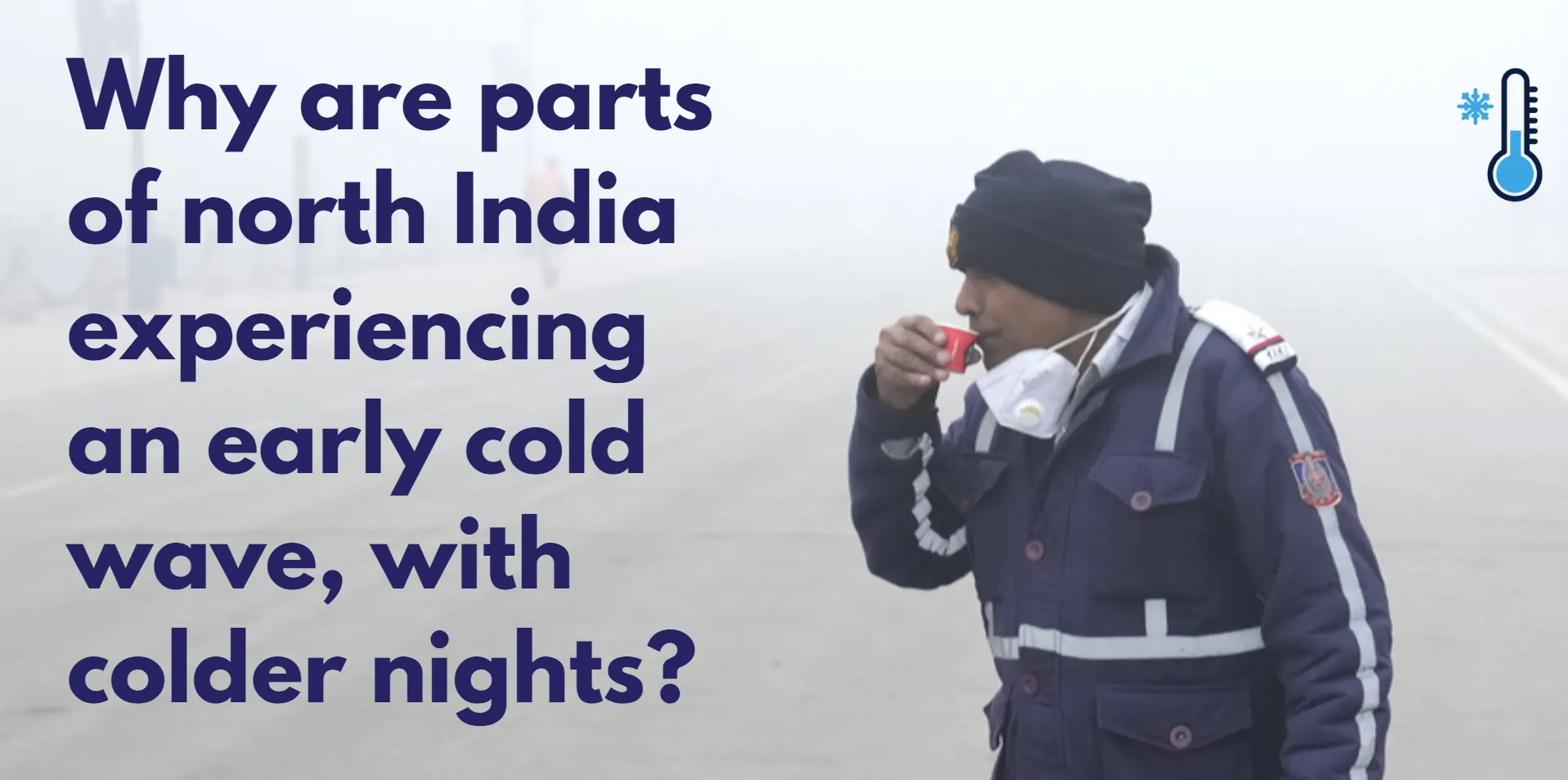
A continuing cold wave has tightened its grip over several parts of India, bringing with it prolonged chilly conditions, dense fog, and disruptions to daily life. Northern and central states, including Delhi, Punjab, Haryana, Rajasthan, and parts of Uttar Pradesh and Madhya Pradesh, are witnessing some of the lowest temperatures of the season. The Indian Meteorological Department (IMD) has issued multiple cold wave and cold-day alerts as icy winds from the western Himalayas sweep across the plains.
The cold wave is the result of persistent northwesterly winds bringing frigid air from snow-covered regions of Jammu & Kashmir, Himachal Pradesh, and Uttarakhand. These winds, combined with clear night skies, have caused rapid heat loss from the ground surface, pushing minimum temperatures well below normal. In many locations, temperatures have dropped to 2–4°C, while certain pockets in Rajasthan and Haryana have even reported sub-zero readings.
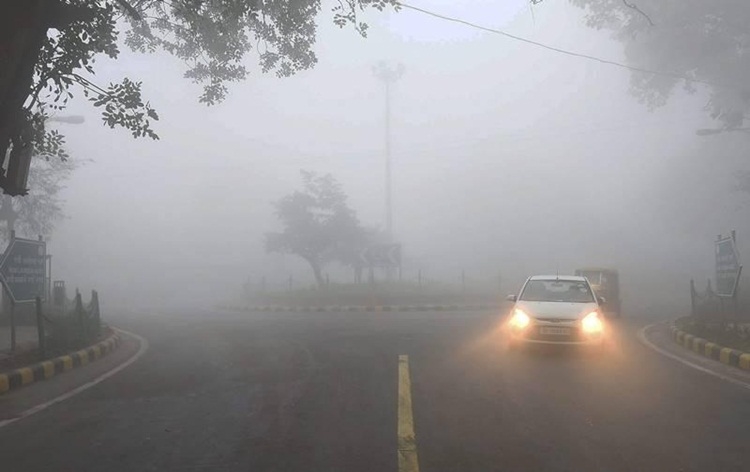
Dense fog has become another major concern, reducing visibility to dangerously low levels in the early morning and late-night hours. This has had a cascading effect on transportation networks—railway schedules have been thrown off by hours of delays, road travel has slowed significantly due to poor visibility, and numerous flights have been rescheduled or cancelled across northern airports. The IMD has categorized several days as “cold day to severe cold day,” a classification indicating that daytime temperatures are failing to recover due to persistent fog cover.
The extreme weather has had a noticeable impact on public life. Schools in several states have announced temporary closures or altered timings to protect children from exposure to the harsh cold. Homeless individuals and people living in makeshift shelters remain particularly vulnerable, prompting governments and civic bodies to increase the number of night shelters and distribute blankets. Health officials have also urged citizens to take precautions, emphasizing that cold wave conditions can exacerbate respiratory issues, trigger joint pains, and pose serious risks to the elderly and young children.
Agriculture, too, is feeling the effects. While some winter crops benefit from cooler temperatures, prolonged and intense cold can harm standing crops such as mustard, wheat, and vegetables. Farmers in parts of Punjab and Uttar Pradesh have reported frost-related damage, raising concerns about yield.
Meteorologists predict that the cold wave conditions may continue for several more days, though the intensity could reduce if cloud cover increases or a western disturbance passes through the northern belt. Until then, residents are advised to stay indoors during peak cold hours, use adequate heating, and follow weather advisories closely.
As India continues to face fluctuating winter patterns, the ongoing cold wave serves as a reminder of the increasing unpredictability of seasonal systems—possibly influenced by broader shifts in global climate behaviour. The situation highlights the need for preparedness, efficient warning systems, and community support to ensure safety during extreme weather events.
Note: Content and images are for informational use only. For any concerns, contact us at info@rajasthaninews.com.

Previous Post

Next Post
"इको-फ्रेंडली इनोवेश...
Related Post