
Education
India Protests 2026: Student-Led Demonstrations Intensify Across the Country Over Exam Paper Leaks and Education Reforms
_1784989279.jpg)
India Protests 2026: Student Movement Gains National Attention as Government Announces Key Reforms
India has witnessed one of its most significant youth-led protest movements in recent years, with thousands of students and young professionals participating in demonstrations across New Delhi and several other cities. The protests initially began over allegations of irregularities and paper leaks in major entrance examinations but gradually expanded into a broader movement addressing unemployment, education reforms, transparency, and government accountability. The demonstrations have attracted nationwide attention, prompting discussions in Parliament, responses from political leaders, and international interest in the evolving situation.
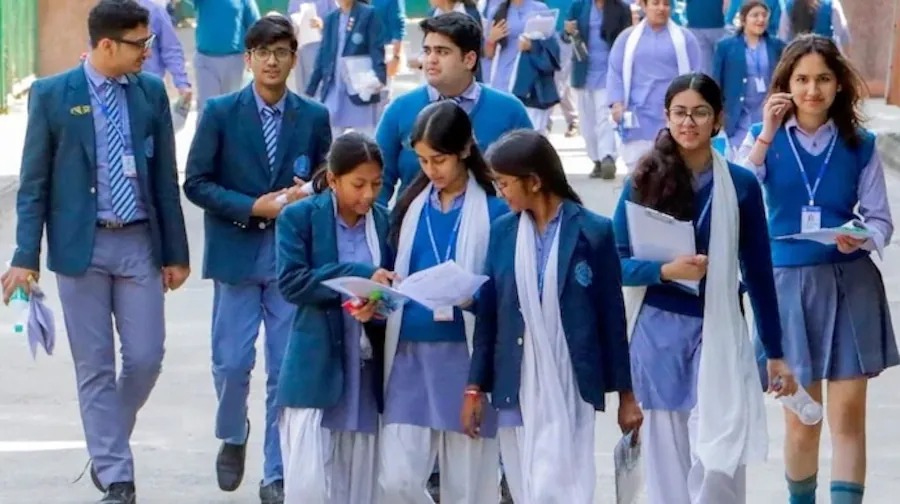
The movement started after widespread public concern over alleged leaks in competitive entrance examinations that affected millions of students across the country. Many students argued that months or even years of preparation had been undermined by irregularities in the examination process. Protesters demanded an independent investigation, stricter action against those responsible for examination malpractice, greater transparency in recruitment and testing systems, and the resignation of senior officials responsible for overseeing the examinations. As demonstrations continued, the protests evolved into a wider expression of frustration over employment opportunities and governance issues.
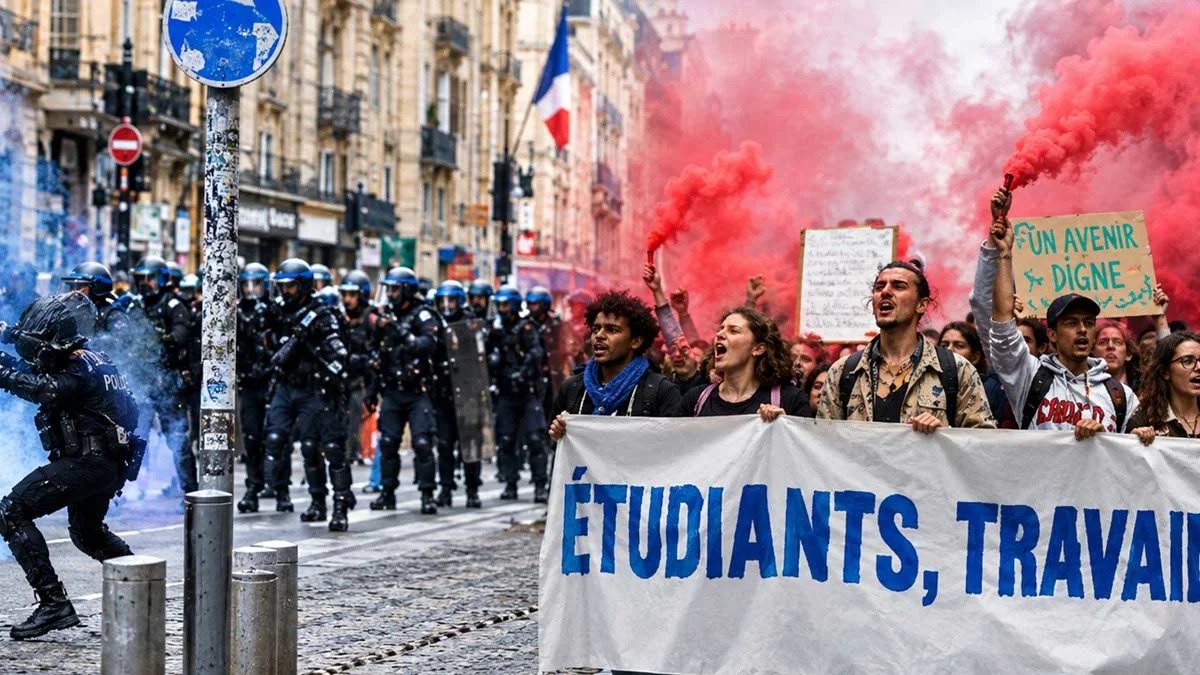
New Delhi emerged as the centre of the demonstrations, with thousands gathering at designated protest sites carrying banners and chanting slogans demanding accountability. Student organizations, youth groups, and civil society activists joined the movement, emphasizing that their campaign remained peaceful and focused on institutional reforms. Protest leaders repeatedly urged participants to avoid violence and maintain discipline while continuing to press for dialogue with the government.
Authorities deployed additional police and paramilitary personnel in parts of the capital to manage large gatherings and maintain public order. During several demonstrations, clashes were reported after protesters attempted to march beyond permitted areas. Police used crowd-control measures, including barricades and, in some instances, tear gas, while officials stated that security actions were necessary to prevent disruption and protect public safety. Human rights organizations later called for investigations into allegations of excessive force and urged authorities to respect the right to peaceful assembly.
The protests gained further momentum when opposition political parties voiced support for students' demands, arguing that examination integrity is essential for public trust in India's education system. Opposition leaders criticized the government's handling of the controversy and called for comprehensive reforms to recruitment and entrance examination processes. Government representatives, however, maintained that corrective measures were already underway and appealed for constructive dialogue rather than prolonged street demonstrations.
One of the most significant developments came after senior government ministers held discussions with representatives of the student movement. Although the talks were described as constructive, protest organizers initially stated that demonstrations would continue until their principal demands were formally accepted. The negotiations were closely followed across the country as both sides attempted to find a peaceful resolution to the weeks-long standoff.
The political landscape changed dramatically when Union Education Minister Dharmendra Pradhan resigned following sustained public pressure. The resignation was widely viewed as a major turning point in the movement and one of the most significant political outcomes of a public protest in recent years. Alongside the resignation, the government announced a series of commitments, including reforms to examination systems, additional oversight mechanisms, and assurances that peaceful protesters would not face legal action related solely to their participation in the demonstrations.
Following these announcements, protest leaders declared that many of their primary objectives had been achieved and appealed to demonstrators to conclude the movement peacefully. Celebrations were reported in parts of New Delhi as students and supporters welcomed the government's decisions. However, several activists emphasized that long-term implementation of the promised reforms would be the true measure of success, noting that restoring confidence in India's examination system would require sustained institutional changes rather than short-term political responses.
International organizations and human rights groups also commented on the protests, encouraging all parties to protect the right to peaceful assembly while ensuring that public order was maintained. They urged transparent investigations into allegations of excessive force during earlier demonstrations and welcomed dialogue between government officials and protest representatives as the preferred path toward resolving the crisis.
The India protests of 2026 have highlighted the growing political and social engagement of young people, particularly on issues relating to education, employment, and institutional accountability. Whether the announced reforms produce lasting improvements will become clearer in the months ahead, but the movement has already become a significant chapter in India's recent public life, demonstrating how sustained, organized civic participation can shape national policy debates.
Note: Content and images are for informational use only. For any concerns, contact us at info@rajasthaninews.com.
Previous Post
Next Post
"हाईकोर्ट ने प्राइव...
Related Post