
Bharatpur, September 22, 2026: Rajasthan Civic Polls: What the Narrow BJP Win Means for 2028. Frontline Magazine reported the development in a detailed account.
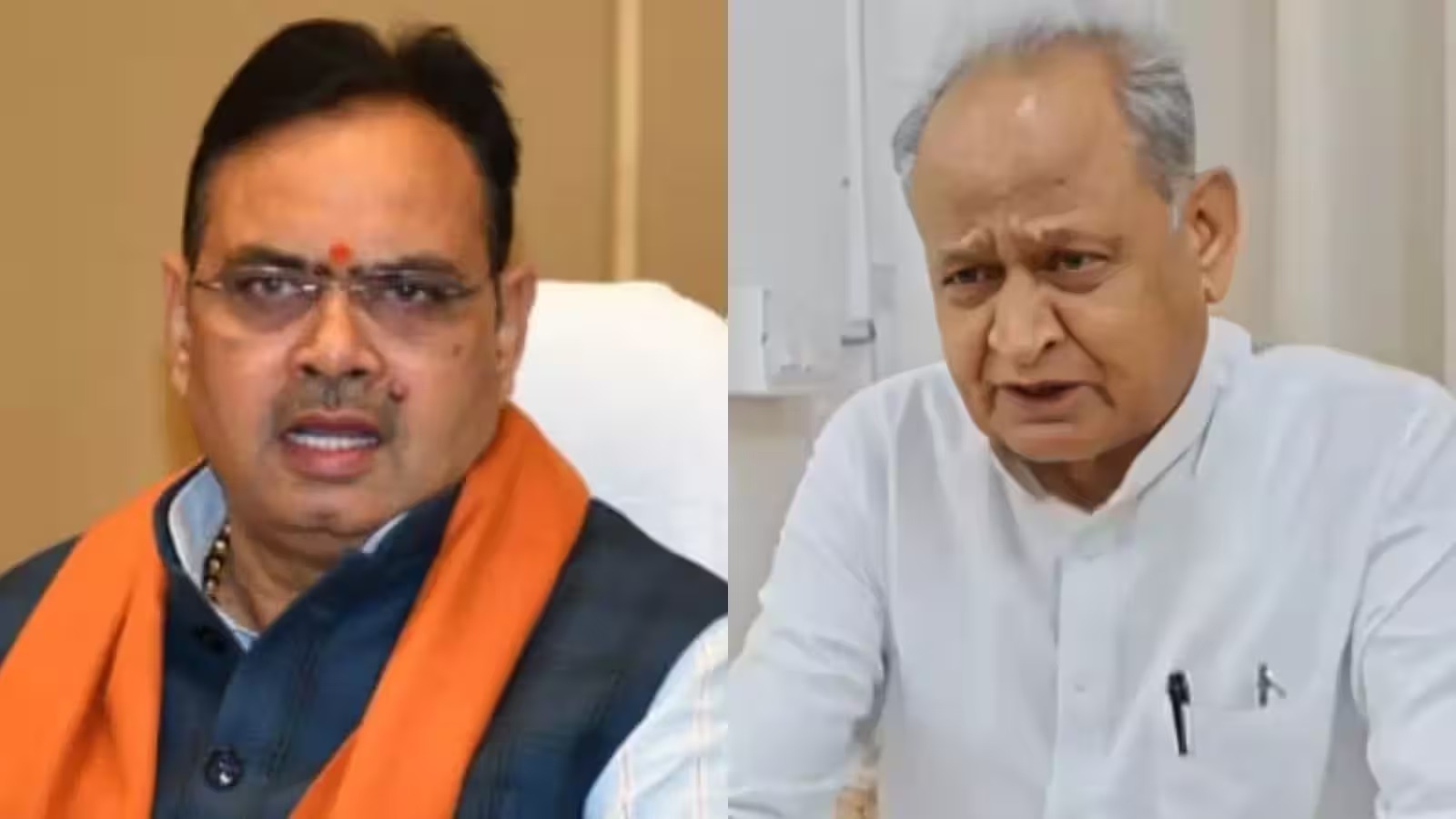
According to Frontline Magazine, Rajasthan Chief Minister Bhajan Lal Sharma, BJP State president Madan Rathore, and others celebrate the party’s performance in the State urban local body elections at the party headquarters in Jaipur on September 21, 2026.
| Photo Credit: PTI It was an outcome none anticipated. Local body elections normally favour the incumbent party in power. Yet, in the recently held elections to the urban local bodies in Rajasthan on September 9 and 11, the BJP under the stewardship of Bhajan Lal Sharma barely scraped through with a 0.94 per cent vote share margin, with a resurgent Congress in tow.
What was even more surprising was the election of a large number of independents, including from Bharatpur, the home district of the Chief Minister. Most of the independents who got elected across the State were rebels who were denied tickets, mostly from the Congress and the BJP. The Congress could have swung these elections in its favour, given the less than 1 per cent vote share margin.
This translated to around 99,000 votes, a figure which, sources said, could have easily been garnered across the State. Sources said that the Pradesh Congress Committee (PCC) had a lot to answer for. Even though the Congress under PCC chief Govind Singh Dotasra did mount a campaign centred around governance issues against the BJP, there were issues in the process of candidate selection, which was less consultative and more centralised.
As for the not-so-decisive win by the BJP, it was nevertheless hailed by all its leaders, including Prime Minister Modi, who claimed the party’s victory was that of “truth” over “falsehood”. It was a vindication, he said, of double-engine governance both at the State and the Centre. What party apparatchiks glossed over conveniently was the defeat of the party in strongholds like Jhalawar, a bastion of former Chief Minister Vasundhara Raje, and Bharatpur, the karmabhoomi of Chief Minister Bhajan Lal Sharma.
Bharatpur adjoins Uttar Pradesh, and political observers say that the election outcome in Rajasthan, with a large number of independents getting elected in the Bharatpur municipal corporation, could resonate in the Uttar Pradesh elections next year. The BJP forfeited Ajmer, Jhalawar, and Bharatpur, all considered party strongholds. A break-up of the votes tells a story of how fragile the BJP’s victory has been and what it may bode for the State Assembly election, two years from now, in 2028.
Across the 309 urban local bodies, the BJP secured 35.18 per cent, Congress 34.24 per cent, Independents 27.38 per cent; NOTA constituted 1.03 per cent, which was more than the vote share of many established parties—the Rashtriya Loktantrik Party (0.94 per cent), the Aam Aadmi Party (0.46 per cent), the Communist Party of India (Marxist) (0.32 per cent), the Bahujan Samaj Party (0.28 per cent), and the Bharat Adivasi Party (0.13 per cent). In terms of the number of wards won, of the 10,245 wards, the BJP won 4,182, Congress 3,619, Independents 2,273, RLP 63, AAP 42, CPI(M) 38, BSP 19, and the BAP 8. Amra Ram, CPI(M) Lok Sabha MP from Sikar, told Frontline that the vote-share trends were important pointers.
While elections in the State, right from panchayat levels to Parliament, had always displayed a bipolar character, with vote shares almost equally divided between the two major parties, the emergence of a large number of independents showed that people were looking for alternatives other than the BJP and Congress. He said the delay in holding elections had gone against the ruling party. The government, instead of holding elections to local bodies, had appointed administrators to run both urban and rural local bodies, as it somewhere realised that the public mood was against it.
The report is filed here under Politics. Frontline Magazine is the account this copy follows, and the article above keeps the detail that report gave. Nothing beyond those reported details is added.
Note: Content and images are for informational use only. For any concerns, contact us at info@rajasthaninews.com.
Previous Post
Next Post
जीणमाता मंदिर के पट...
Related Post