
In the aftermath of devastating landslides across India’s fragile hill regions, rebuilding has become both a necessity and a site of contestation. The deadly landslide in Wayanad, Kerala, has once again highlighted how disaster recovery is rarely neutral. While official reconstruction promises safety, resilience, and renewal, it also reveals uncomfortable truths about whose lives, livelihoods, and losses the state values most.
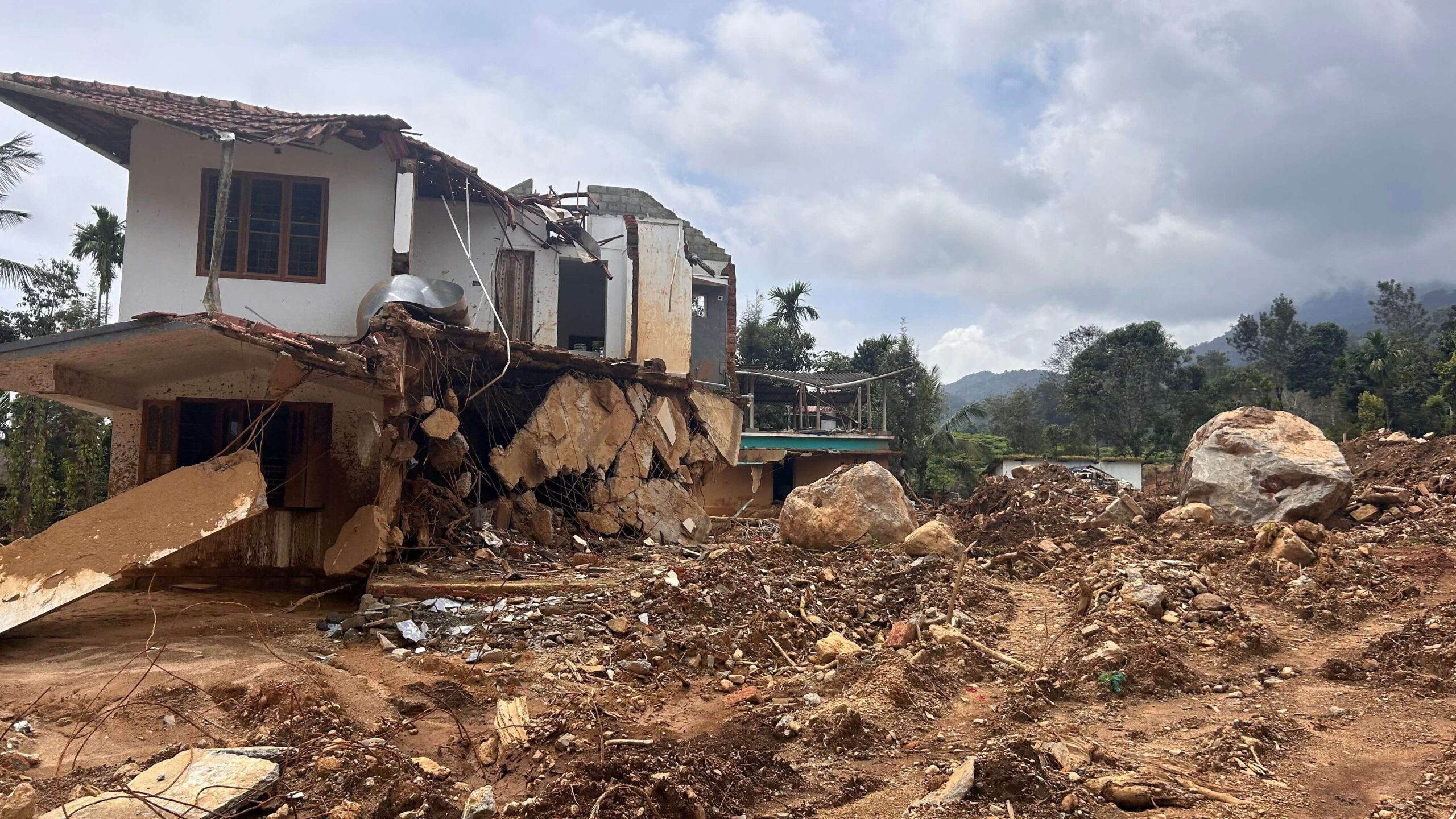
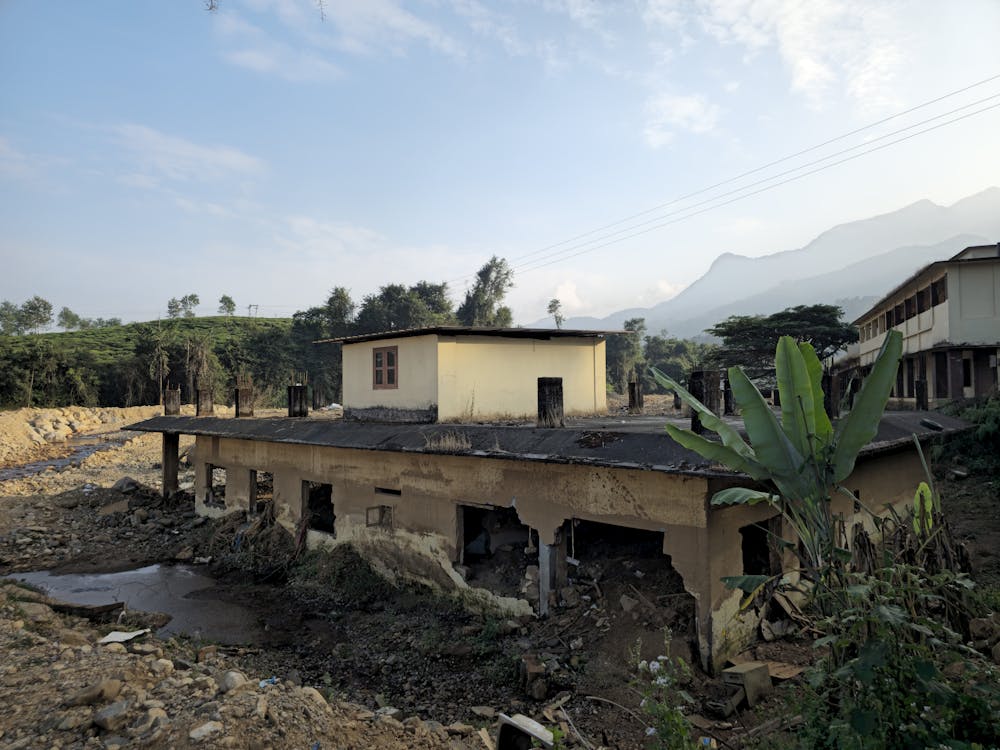
Wayanad’s landslide, triggered by intense rainfall in an ecologically sensitive region of the Western Ghats, destroyed homes, farmland, and community infrastructure. As with many climate-linked disasters in India, the immediate humanitarian response focused on rescue, relief camps, and compensation. However, as rebuilding plans take shape, disparities in access to aid and long-term security are becoming increasingly visible.
For landowners with legal titles, insurance, or political visibility, rehabilitation often includes formal housing, monetary compensation, and relocation assistance. In contrast, marginalized groups—such as landless agricultural workers, Adivasi communities, migrant laborers, and informal settlers—frequently fall through the cracks. Many lose not only shelter but also access to forests, farms, and local economies that sustained them, with little recognition of these losses in official assessments.
Post-disaster rebuilding tends to prioritize physical infrastructure over social ecosystems. Roads, housing colonies, and public buildings are reconstructed to demonstrate progress, yet livelihoods tied to land, ecology, and local networks receive far less attention. In Wayanad, where many communities depend on farming, forest produce, and tourism-linked labor, relocation away from familiar terrain risks long-term economic precarity.
Environmental concerns further complicate recovery. Experts have warned that rebuilding in or near landslide-prone zones—often driven by land scarcity or political pressure—may replicate the very vulnerabilities that caused the disaster. Meanwhile, stricter environmental regulations are sometimes selectively enforced, affecting small residents more harshly than large commercial or infrastructural projects.
The politics of compensation also shapes outcomes. Valuation mechanisms tend to focus on formal property damage, undervaluing common resources such as grazing land, water sources, and forests. Women’s losses—often tied to unpaid labor, household stability, and community support systems—are rarely documented. As a result, recovery narratives centered on “returning to normal” can obscure deeper patterns of exclusion.
Climate change has intensified rainfall extremes, making landslides more frequent across Himalayan and Western Ghats regions. This reality raises urgent questions about whether India’s disaster management framework is equipped to address not just emergency response, but equitable and just reconstruction. Without inclusive planning, rebuilding risks reinforcing social hierarchies rather than reducing vulnerability.
The Wayanad experience underscores the need for a shift in approach. Community participation, recognition of informal livelihoods, transparent compensation processes, and ecologically informed land-use planning must become central to recovery efforts. Disaster rebuilding should not merely restore structures—it should restore dignity, security, and opportunity.
As Indian townships rebuild after landslides, the challenge is not only engineering safer homes, but ensuring that recovery does not become another disaster—one where the most vulnerable are quietly erased from the future being constructed.
Note: Content and images are for informational use only. For any concerns, contact us at info@rajasthaninews.com.

Previous Post

Next Post
"इको-फ्रेंडली इनोवेश...
Related Post