
_1787397255.jpg)
Indian Politics Enters Another Important Phase
Indian politics continues to remain highly dynamic, with the government, opposition parties, regional political groups and civil society all playing important roles in shaping the national conversation. Political debates increasingly extend beyond elections, covering economic development, employment, welfare schemes, national security, federal relations, infrastructure, education, healthcare and the future direction of India’s democratic institutions.
The political environment is also being shaped by the changing expectations of voters. Citizens are increasingly looking for governments to deliver measurable improvements in jobs, incomes, public services, infrastructure and opportunities while also addressing concerns about inflation and the cost of living.
At the same time, political parties are working to strengthen their organizations and expand their support bases. National parties continue to compete for influence across states, while regional parties remain important players in determining political outcomes in several parts of the country.
Government Focus on Development and Governance
The government’s political message continues to place strong emphasis on economic growth, infrastructure development, digital transformation and welfare delivery. Large infrastructure projects, manufacturing initiatives, roads, railways, energy projects and technology-driven public services remain important elements of the broader development agenda.
Supporters argue that these initiatives can strengthen India’s economy, improve connectivity and create new opportunities for businesses and citizens. The government has also emphasized the importance of making India more competitive globally and attracting investment into sectors such as manufacturing, technology, renewable energy and infrastructure.
However, political opponents continue to question whether economic growth is reaching all sections of society equally. Issues such as unemployment, rural incomes, agricultural conditions and the purchasing power of ordinary households remain central to political discussions.
The debate therefore increasingly revolves around not only how quickly the economy grows, but also how effectively the benefits of growth are distributed.
Opposition Parties Seek a Stronger Political Narrative
Opposition parties continue to face the challenge of presenting a united and convincing alternative to the ruling establishment. While opposition groups frequently criticize government policies, their larger challenge is to translate individual criticisms into a coherent national political message.
The opposition has highlighted issues including employment, inflation, social welfare, institutional independence, farmers’ concerns and the functioning of Parliament. At the same time, different opposition parties have their own priorities based on their regional political interests.
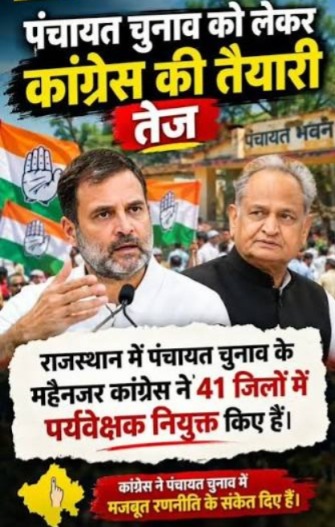
The Congress remains a major national opposition force, while several regional parties retain significant influence in their respective states. The effectiveness of opposition coordination could become increasingly important as political competition develops.
A successful opposition strategy will likely require more than criticism of the government. Political parties will need to communicate clear policy alternatives and demonstrate how they would address voters’ everyday concerns.
Parliament and the Importance of Political Debate
Parliament remains one of the most important arenas for national political debate. Discussions over legislation, government programs, economic policy and public accountability often become major political flashpoints.
The relationship between the government and opposition is an essential part of parliamentary democracy. While disagreements are unavoidable, the quality of debate, legislative scrutiny and committee-level examination can influence public confidence in democratic institutions.
Political parties are therefore under pressure to balance confrontation with constructive participation. Voters expect representatives to raise important issues while also contributing to meaningful policymaking.
Economy, Jobs and the Politics of Opportunity
Economic issues are likely to remain among the most influential factors in Indian politics. India’s economic growth has generated considerable optimism, but questions surrounding employment and income opportunities remain politically significant.
Young Indians in particular are closely watching developments in technology, manufacturing, startups, education and government recruitment. The expansion of the digital economy has created new opportunities, but the benefits are not distributed evenly across regions and social groups.
Political parties are consequently focusing more attention on employment generation, skill development, entrepreneurship and investment.
The political importance of these issues is straightforward: voters want economic growth to translate into better personal prospects. A strong economy can generate political support, but persistent concerns about employment and household finances can also create political pressure.
Agriculture and Rural Politics
Agriculture continues to occupy an important position in India’s political landscape. Rural voters represent a significant part of the electorate, making agricultural policy a major political issue.
Farm income, crop prices, irrigation, fertilizer availability, rural infrastructure, agricultural markets and access to credit remain important concerns. Political parties frequently compete over promises involving farmers and rural development.
The challenge for policymakers is to create long-term improvements in agricultural productivity while also protecting farmers from severe income volatility.
Rural politics is therefore likely to remain closely connected to broader discussions about economic inequality, welfare programs and regional development.
Federal Relations and the Role of States
India’s political system gives states substantial importance, and relations between the central government and state governments frequently become politically contentious.
Issues involving taxation, financial transfers, development projects, investigative agencies, administrative powers and centrally sponsored programs can generate disagreements between different levels of government.
Chief ministers and regional political leaders often seek greater flexibility in implementing policies according to local priorities. The central government, meanwhile, emphasizes national coordination and common development objectives.
Finding an effective balance between national priorities and state-level autonomy remains an important feature of Indian politics.
Digital Media Is Changing Political Communication
Social media and digital platforms have transformed the way political parties communicate with voters. Political campaigns now extend far beyond traditional rallies, newspapers and television.
Political organizations use digital platforms to distribute speeches, policy messages, campaign material and short-form videos. Supporters can rapidly amplify political narratives, while opponents can respond almost immediately.
This has made political communication faster but also more challenging. Misinformation, manipulated content and misleading claims can spread rapidly, making media literacy and responsible communication increasingly important.
The political battle is therefore taking place simultaneously in Parliament, on television, at public meetings and across digital platforms.
Youth and the Future of Indian Politics
India’s young population is likely to remain one of the most important forces in future political debates. Younger voters increasingly focus on education, employment, entrepreneurship, technology, urban infrastructure and quality of life.
Political parties are responding by developing campaigns and policies aimed at younger citizens. However, young voters are not a single political group. Their preferences differ according to region, education, economic background and personal priorities.
Political parties that successfully connect national policy with the everyday aspirations of younger citizens may gain an important advantage in future electoral contests.
Women Voters and Expanding Political Participation
Women have also become increasingly important in electoral politics. Political parties across the spectrum have recognized that women voters can significantly influence election outcomes.
Issues such as financial assistance, healthcare, education, household expenses, employment, safety, entrepreneurship and welfare delivery are particularly important in political outreach to women.
The increasing participation of women in elections has encouraged political parties to pay greater attention to policies that directly affect families and household economies.
National Security and Foreign Policy
National security continues to be a major component of India’s political discourse. Border security, terrorism, defence modernization and strategic relations with major global powers remain important issues.
India’s growing international economic and diplomatic role has also increased political attention toward foreign policy. Relations with countries such as the United States, Russia, China and nations across Europe, the Middle East and the Indo-Pacific remain strategically significant.
Political debates increasingly connect foreign policy with economic growth, technology, energy security and national interests.
What Could Shape the Next Political Phase?
The future direction of Indian politics will depend on several interconnected factors. Economic performance, employment, welfare delivery, rural conditions, inflation, state-level political developments and the ability of parties to build effective coalitions could all influence the political environment.
The ruling party will seek to maintain its organizational strength and communicate its development record, while opposition parties will attempt to identify areas of public dissatisfaction and turn them into a broader political alternative.
Regional parties will continue to play an important role, particularly in states where national parties face strong local competition.
Ultimately, voters will remain the most important factor. Political narratives may dominate headlines, but electoral outcomes are often influenced by practical concerns such as jobs, household finances, public services, infrastructure and perceptions of governance.
Conclusion
Indian politics is entering a period in which governance, economic opportunity and political competition are increasingly interconnected. The government faces the challenge of maintaining economic momentum while addressing concerns over employment, living costs and inclusive development. Opposition parties face the equally significant task of building a persuasive alternative that goes beyond criticism and offers concrete solutions.
With regional politics remaining influential, digital communication transforming political campaigns and younger voters demanding greater opportunities, the political landscape is likely to remain highly competitive.
The coming period will therefore be shaped not only by political speeches and electoral strategies but also by the everyday experiences of citizens. Economic growth, employment, welfare delivery, institutional confidence, federal relations and national security will remain among the major themes influencing India’s political debate.
As political parties prepare for future contests, the central question will increasingly be whether they can convert their promises and political narratives into policies and outcomes that voters can see in their daily lives.
Note: Content and images are for informational use only. For any concerns, contact us at info@rajasthaninews.com.
Previous Post

Next Post
जीणमाता मंदिर के पट...
Related Post