
Environment
India Faces Another Intense Monsoon Spell as Heavy Rain Raises Flood and Climate Concerns
_1786458490.jpg)
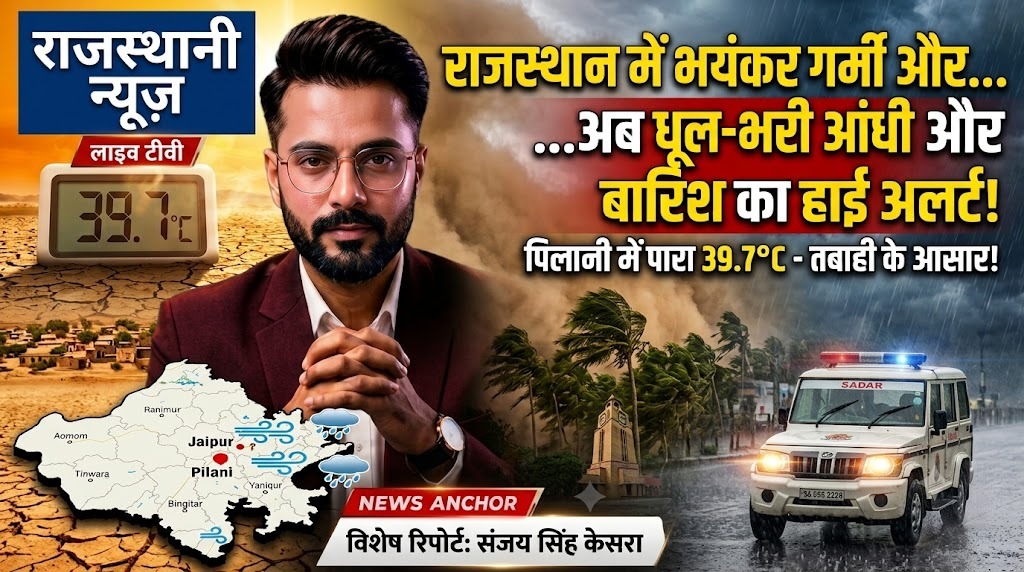
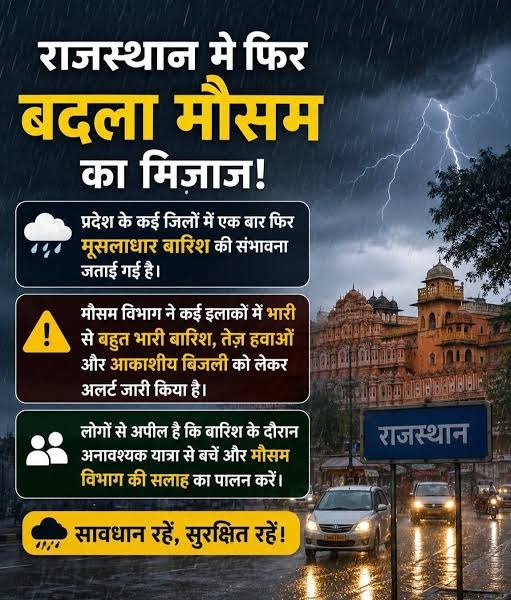
India is facing another period of intense monsoon activity, with several regions expected to experience heavy to very heavy rainfall. According to the India Meteorological Department, widespread rainfall is expected across different parts of the country, with some areas also facing thunderstorms, lightning and strong winds.
The latest weather developments have once again highlighted the growing importance of climate resilience and environmental preparedness in India. Heavy rainfall can provide important water resources for agriculture and reservoirs, but intense and concentrated rainfall can also increase the risk of flooding, landslides and damage to infrastructure.
Several parts of northern, central, eastern, northeastern, western and southern India are expected to remain affected by monsoon activity. Odisha and parts of the Northeast are among the areas receiving particular attention, while Himalayan regions face additional concerns over flash floods and landslides.
The environmental impact of extreme weather is becoming an increasingly important issue. Rapid urbanisation, loss of natural drainage systems and pressure on ecosystems can make cities and communities more vulnerable when rainfall becomes unusually intense.
Experts have also warned that climate change is contributing to changing weather patterns. India has experienced increasingly noticeable changes in temperatures and extreme weather conditions in recent years, including hotter nights and severe heat events.
Another major environmental concern is air pollution. Pollution is not limited to India's largest cities, with experts also reporting increasing air pollution in mountain regions of Jammu and Kashmir, where transportation has been identified as an important contributor.
Air pollution and climate change are closely connected environmental challenges. Reducing emissions from vehicles, industries and energy production can help improve air quality while also supporting broader climate goals.
India has also continued to focus on environmental conservation and ecological restoration. Government reports highlight efforts involving forest and tree cover, wetlands, mangroves, coastal ecosystems and river rejuvenation. The Namami Gange programme remains one of the country's major initiatives focused on improving the ecological health of the Ganga and its tributaries.
Climate risks are particularly important for India's long coastline. A recent report highlighted concerns including rising temperatures and dangerous wet-bulb conditions in parts of coastal India. Such conditions can create serious challenges for outdoor workers, coastal communities and public health.
Global climate patterns could add another layer of uncertainty. The World Meteorological Organization reported an elevated likelihood of an El Niño event during 2026, with the possibility of the event continuing later in the year. El Niño can influence rainfall and temperature patterns in different parts of the world, although its exact effects vary by region.
For India, the combination of changing climate patterns, extreme rainfall, heat and air pollution makes environmental planning increasingly important.
Cities need stronger drainage systems, better flood management and protection of natural water bodies. Rural communities require improved weather forecasting and climate-resilient agricultural practices. At the same time, protecting forests, wetlands, rivers and coastal ecosystems can help reduce the impact of extreme weather.
The current monsoon situation is therefore more than a weather story. It is also a reminder of the wider environmental challenges facing India.
As extreme weather events become more frequent or unpredictable, governments, businesses and communities will need to invest more in adaptation and disaster preparedness.
Environmental protection will also remain important for India's long-term economic development. Clean air, reliable water supplies, healthy forests and resilient cities are essential for sustainable growth.
With the monsoon continuing across the country, authorities and residents will be watching rainfall forecasts closely. At the same time, the broader conversation around climate change, pollution, conservation and sustainable development is expected to remain an important part of India's environmental agenda
Note: Content and images are for informational use only. For any concerns, contact us at info@rajasthaninews.com.

Previous Post

Next Post
"इको-फ्रेंडली इनोवेश...
Related Post