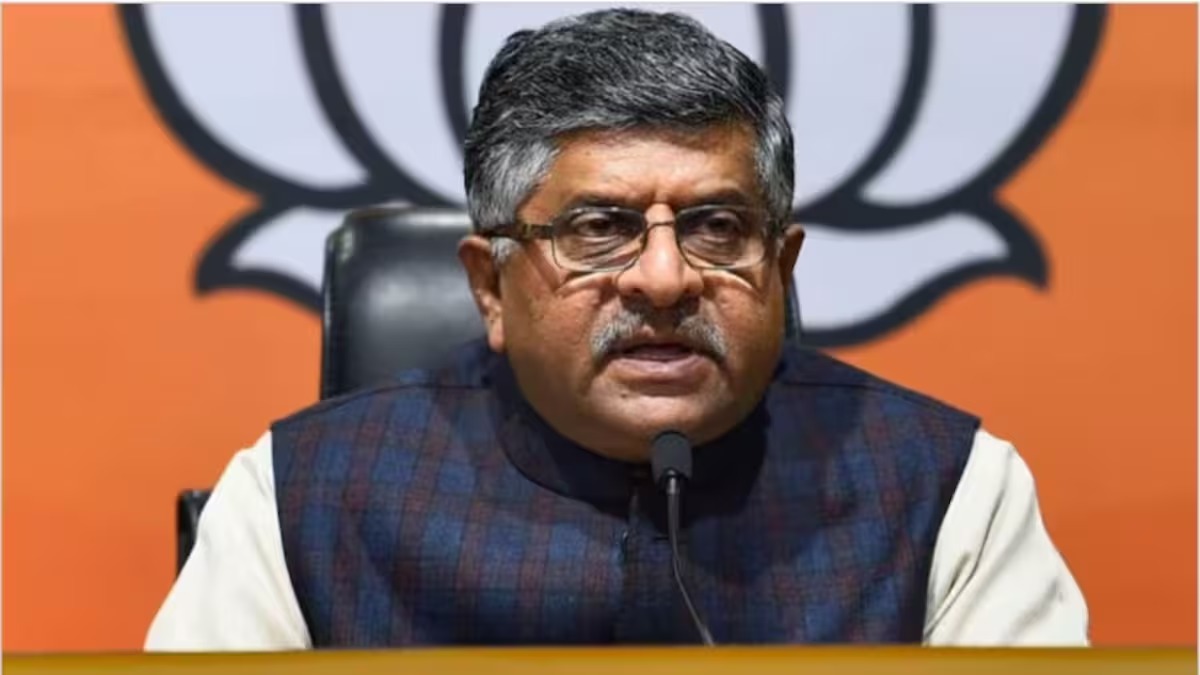


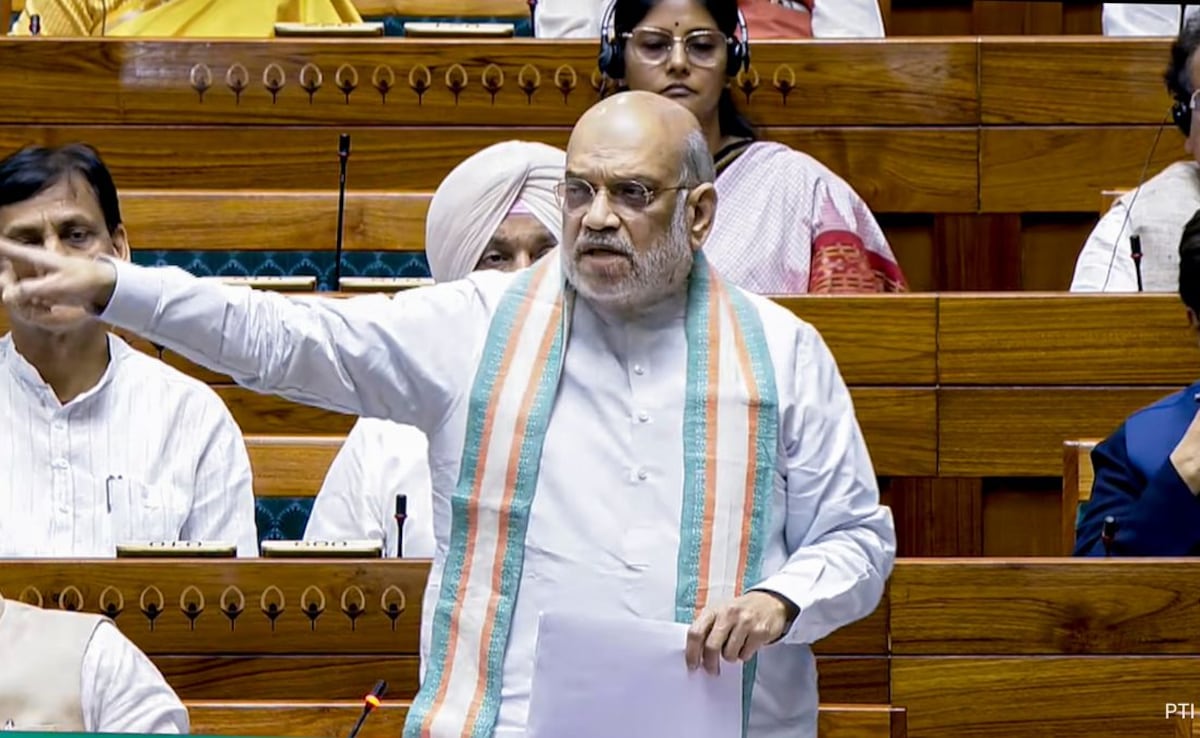
Union Home Minister Amit Shah recently made a significant statement in the Parliament of India, declaring that Naxalism in India is on the “verge of extinction.” His remarks highlight a major shift in the country’s internal security landscape, particularly in regions historically affected by Left-Wing Extremism.
According to Shah, the number of districts severely impacted by Naxalism has dramatically declined—from 35 in 2014 to just two in 2026. This sharp reduction reflects sustained counter-insurgency efforts, improved intelligence coordination, and increased development initiatives in tribal and rural areas. The government attributes this progress to a multi-pronged approach combining security operations with welfare schemes, infrastructure development, and better governance.
Naxalism, rooted in Maoist ideology, has long posed a challenge to India’s internal security. For decades, insurgent groups operated in parts of central and eastern India, often referred to as the “Red Corridor.” These groups exploited socio-economic disparities, particularly among tribal communities, to expand their influence. However, recent years have seen a decline in violence, recruitment, and territorial control of such groups.
In his address, Amit Shah also took a political stance by criticizing past governments, particularly during the tenure of former Prime Minister Indira Gandhi. He suggested that earlier policies contributed to the spread of Naxalite ideology, indirectly allowing it to take root in vulnerable regions. This remark has sparked political debate, with opposition parties questioning the framing of historical responsibility.
The government’s current strategy focuses not only on eliminating insurgency but also on addressing its root causes. Initiatives such as road connectivity, mobile network expansion, banking access, education, and healthcare in remote areas have played a crucial role. By integrating these regions into mainstream economic and social systems, authorities aim to prevent the resurgence of extremist movements.
Security experts note that while the reduction in affected districts is a positive sign, challenges remain. Residual pockets of insurgency still exist, and sustaining peace will require continuous vigilance. Rehabilitation programs for former militants and community engagement are also essential to ensure long-term stability.
Amit Shah’s statement signals confidence in India’s progress against one of its longest-running internal conflicts. If the current trend continues, it could mark the end of a decades-old insurgency that once posed a serious threat to national security.
In conclusion, the claim that Naxalism is nearing extinction reflects both improved security measures and developmental outreach. While political debates may continue over past and present policies, the overall decline in violence and affected regions indicates a significant achievement in India’s fight against Left-Wing Extremism.
Note: Content and images are for informational use only. For any concerns, contact us at info@rajasthaninews.com.
Previous Post

Next Post
जीणमाता मंदिर के पट...
Related Post