

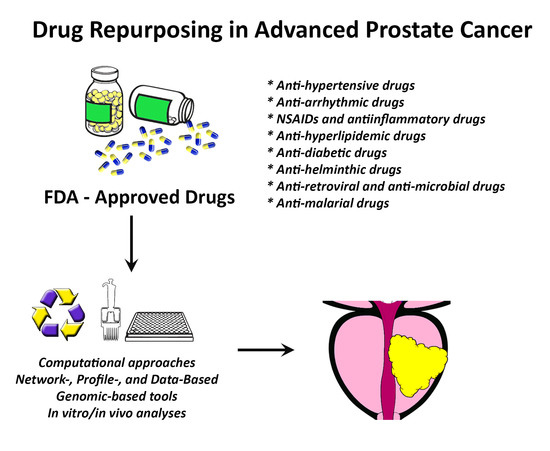
Recent advances in cancer treatments are transforming the outlook for patients suffering from drug-resistant prostate cancer, a condition that has long posed major challenges for oncologists worldwide. Prostate cancer is one of the most commonly diagnosed cancers in men, and while early-stage disease often responds well to hormone therapy and standard medications, many patients eventually develop resistance, leading to more aggressive and difficult-to-treat forms of the disease.
Drug-resistant prostate cancer, often referred to as castration-resistant prostate cancer (CRPC), occurs when cancer cells adapt and continue to grow despite therapies designed to block male hormones that fuel tumor growth. Until recently, treatment options for such cases were limited, and survival rates remained modest. However, breakthroughs in molecular biology, genetics, and precision medicine are now reshaping treatment strategies.
One of the most significant developments is the rise of targeted therapies that focus on specific genetic mutations and cellular pathways driving drug resistance. Researchers have identified key alterations in androgen receptor signaling, DNA repair mechanisms, and tumor metabolism that allow cancer cells to survive traditional treatments. New drugs are being designed to directly block these pathways, slowing disease progression and, in some cases, restoring sensitivity to earlier therapies.
Another promising area is PARP inhibitors, which target prostate cancers with defects in DNA repair genes such as BRCA1 and BRCA2. These drugs exploit the cancer cell’s inability to repair DNA damage, leading to tumor cell death while largely sparing healthy cells. Clinical trials have shown that PARP inhibitors can significantly extend progression-free survival in patients with advanced, treatment-resistant prostate cancer.
Immunotherapy is also emerging as a powerful tool. While prostate cancer has traditionally been less responsive to immune-based treatments, newer approaches—including personalized cancer vaccines and combination therapies—are showing encouraging results. By helping the immune system recognize and attack cancer cells more effectively, these treatments offer a new line of defense for patients who have exhausted conventional options.
Advances in artificial intelligence and biomarker testing are further enhancing treatment precision. Doctors can now analyze tumor genetics more accurately to predict which therapies are most likely to work for individual patients. This personalized approach reduces trial-and-error treatment, minimizes side effects, and improves overall quality of life.
Beyond extending survival, these innovations are also improving symptom management and daily functioning for patients. Oral targeted drugs, fewer hospital visits, and more tailored treatment plans mean that patients can maintain better physical and emotional well-being during therapy.
Experts believe that the combination of targeted drugs, immunotherapy, and precision diagnostics marks a turning point in prostate cancer care. While drug-resistant prostate cancer remains a serious condition, ongoing research continues to uncover new targets and treatment combinations that could further improve outcomes.
In conclusion, advances in cancer treatments targeting drug-resistant prostate cancer are offering renewed hope to patients and families. As science continues to unravel the complex biology of cancer resistance, these breakthroughs are paving the way for more effective, personalized, and life-extending therapies in the years ahead.

Note: Content and images are for informational use only. For any concerns, contact us at info@rajasthaninews.com.
Previous Post

Next Post
40 के बाद शर्ट से बा...
Related Post