
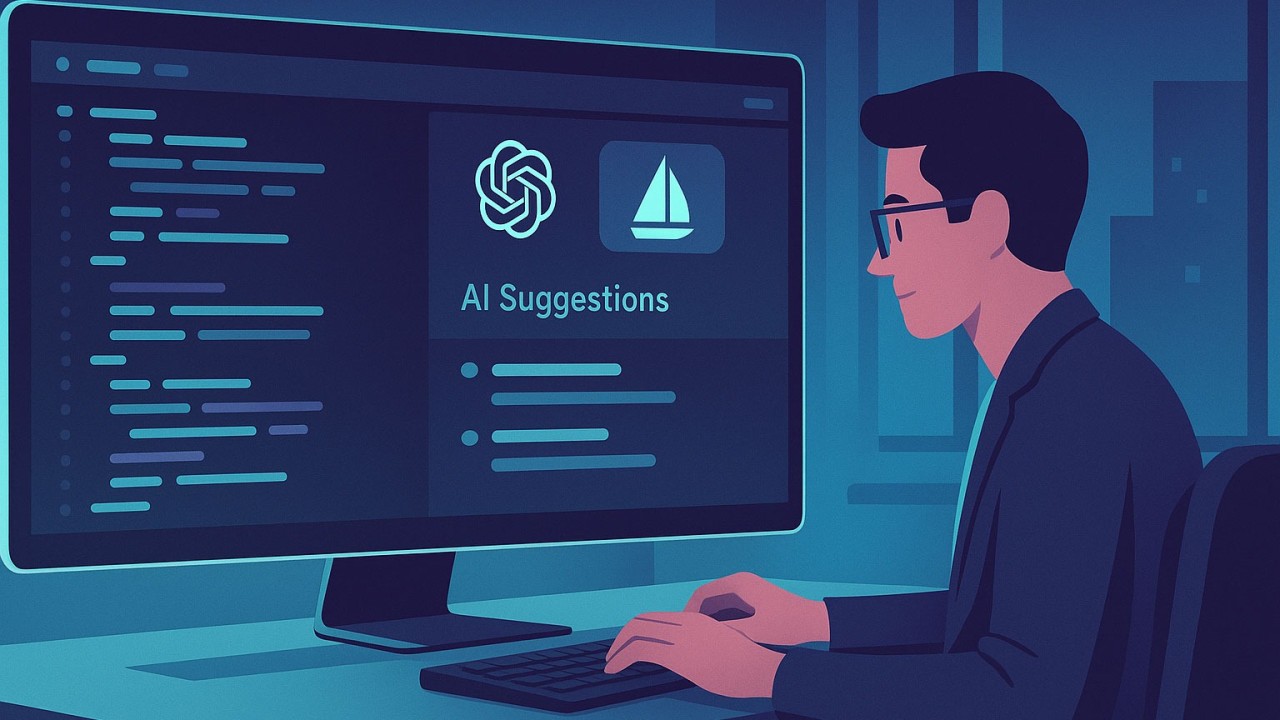
For decades, programming was considered the “gold standard” skill in the technology industry. Learning languages like C++, Java, Python, or JavaScript almost guaranteed strong job prospects, high salaries, and long-term career stability. However, the rapid rise of Generative Artificial Intelligence (GenAI) is fundamentally reshaping this landscape. Today, AI proficiency is increasingly outpacing traditional coding in both market demand and dollar value, signaling a major shift in how the tech world defines valuable skills.
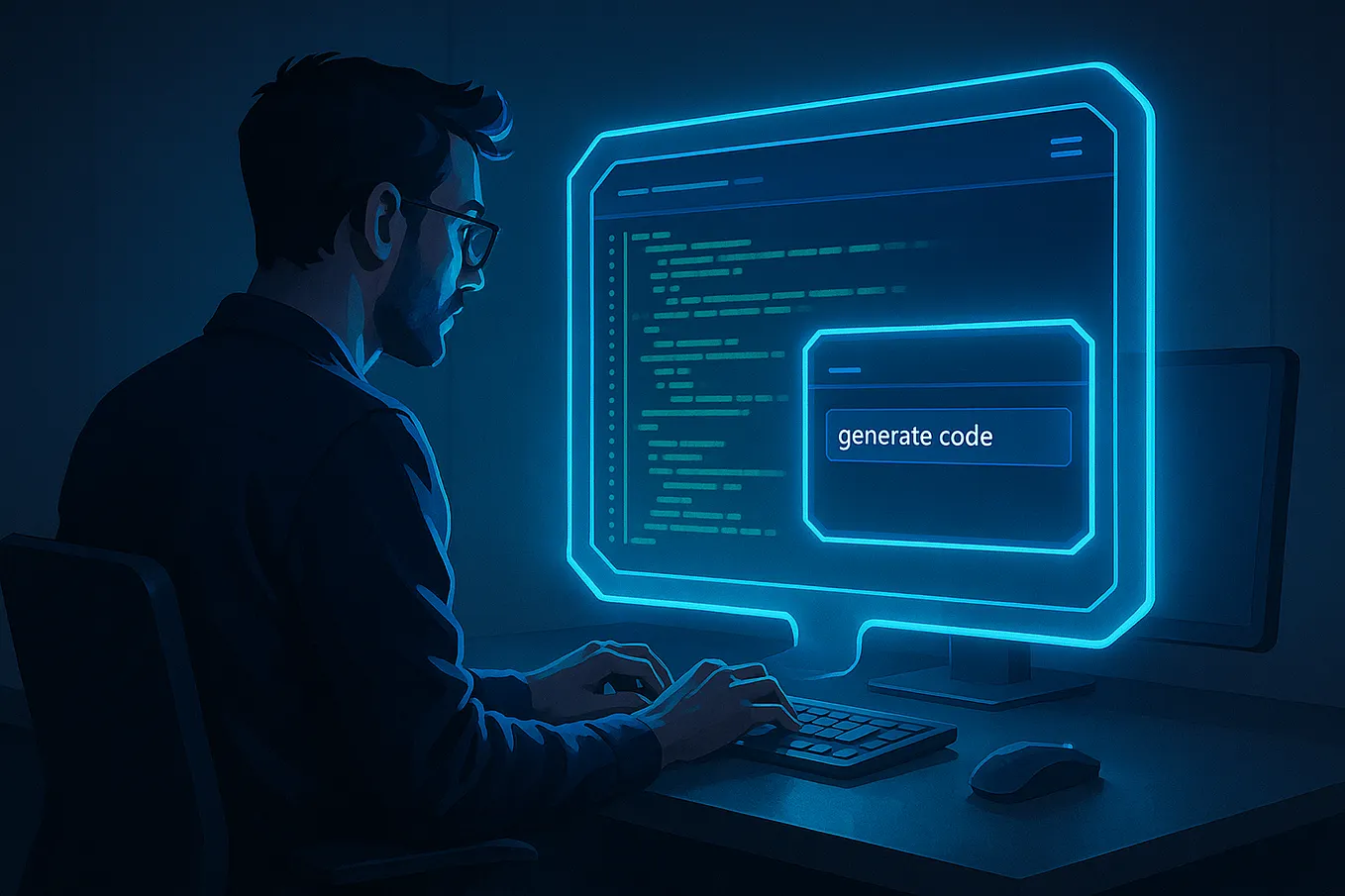
One of the primary reasons programming is losing its exclusive status is the democratization of software development through GenAI tools. Platforms powered by large language models can now write, debug, optimize, and even explain code in seconds. Tasks that once required years of coding experience—such as building APIs, creating basic applications, or fixing bugs—can now be accomplished with natural language prompts. This has reduced the barrier to entry for software creation and made pure coding skills less rare than they once were.
At the same time, companies are realizing that knowing how to code is no longer enough. What matters more is knowing how to use AI effectively. Professionals who can design prompts, fine-tune models, integrate AI into business workflows, and evaluate AI outputs are becoming far more valuable than those who only write syntax-heavy code. As a result, roles like AI product managers, prompt engineers, AI solution architects, and applied AI specialists are commanding higher salaries than many traditional software developer positions.
Another factor driving this shift is productivity. A single developer equipped with GenAI tools can now do the work of several programmers. This efficiency allows companies to reduce dependency on large coding teams while increasing reliance on individuals who understand AI systems, data context, ethics, and decision-making. In this new environment, strategic thinking and AI literacy outweigh manual coding ability.
Importantly, this does not mean programming is becoming obsolete. Instead, it is being repositioned as a foundational skill rather than a premium one. Coding is increasingly viewed as a baseline competency—similar to using spreadsheets or databases—while AI proficiency sits at the top of the value chain. Developers who combine strong programming fundamentals with deep GenAI knowledge are still in high demand, but those relying solely on traditional coding risk falling behind.
Educational trends reflect this change as well. Universities, online platforms, and corporate training programs are rapidly shifting focus from pure programming courses to AI-centric learning paths. Skills such as model evaluation, AI ethics, data interpretation, and human-AI collaboration are now seen as critical for future careers.
In conclusion, programming is losing its “gold standard” status not because it lacks importance, but because GenAI has redefined what excellence in technology looks like. In today’s job market, the true competitive advantage lies in understanding, leveraging, and guiding artificial intelligence—making AI proficiency the new benchmark for success in the digital economy.
Note: Content and images are for informational use only. For any concerns, contact us at info@rajasthaninews.com.

Previous Post

Next Post
TSMC Optimistic Amid...
Related Post