
_1781782619.jpg)
Trump’s Ceasefire Deal: How the U.S. and Iran Reached a Fragile Peace
Washington/Tehran, June 2026
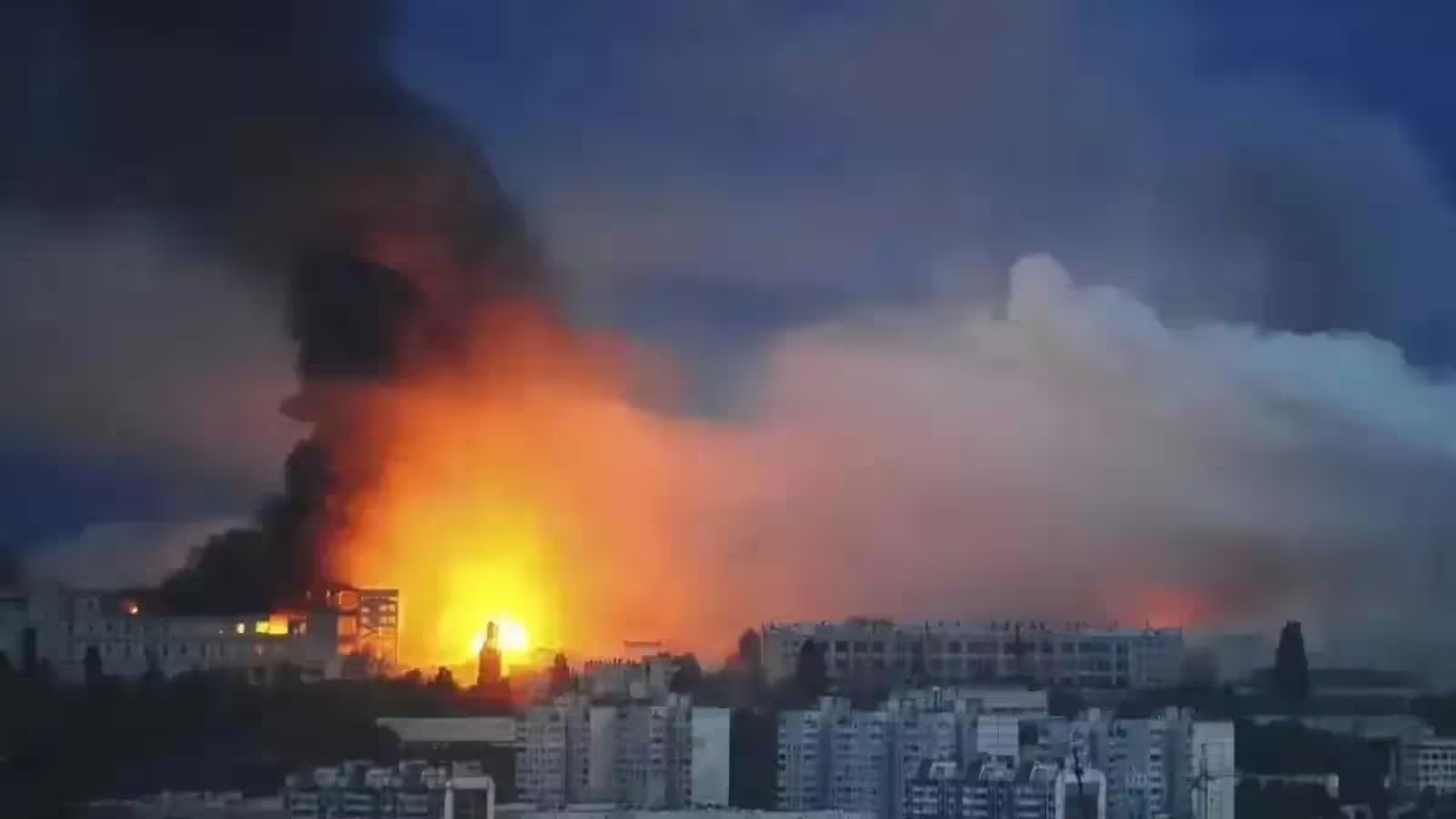
After nearly four months of conflict that shook the Middle East, disrupted global trade routes, and sent energy markets into turmoil, U.S. President Donald Trump announced a breakthrough ceasefire agreement with Iran. The deal, described as a 14-point interim memorandum of understanding, is intended to halt military operations and create a pathway toward a permanent peace settlement.
The agreement marks one of the most significant diplomatic developments between Washington and Tehran since the 1979 Iranian Revolution. According to officials from both sides, the framework is designed to stop fighting immediately while negotiators work on a broader and more comprehensive peace agreement over the next 60 days.
What Does the Deal Include?
Under the agreement, both countries have committed to ending military hostilities and reducing tensions across the region. One of the most important provisions involves the reopening of the Strait of Hormuz, a critical shipping corridor through which a large portion of the world's oil supply passes. The disruption of traffic through the strait had raised fears of a global energy crisis and contributed to market instability.
The framework also includes:
- A halt to military operations.
- Restoration of commercial shipping in the Gulf region.
- Discussions on lifting or easing certain sanctions.
- Access to some frozen Iranian financial assets.
- Nuclear-related commitments under international oversight.
- A 60-day negotiation period aimed at achieving a final peace settlement.
Iran reportedly reaffirmed that it would not pursue nuclear weapons and agreed to cooperate with international monitoring mechanisms, while the United States signaled willingness to discuss economic relief measures.
Trump's Defense of the Agreement
President Trump strongly defended the deal, arguing that continued war could have triggered severe economic consequences worldwide. Speaking at the G7 summit, he said the conflict was threatening global markets and energy supplies and warned that a prolonged war could have led to an economic catastrophe.
Trump also claimed the agreement would help stabilize oil prices and restore confidence in international markets. However, he emphasized that the ceasefire is not unconditional and warned that military action could resume if Iran fails to honor its commitments.
Support and Criticism
The announcement was welcomed by several world leaders, who described it as an important step toward regional stability and economic recovery. International leaders expressed hope that the ceasefire would reduce tensions and create an opportunity for broader diplomatic engagement.
At the same time, the agreement has faced criticism from various quarters. Some analysts argue that Iran retained significant leverage and made fewer concessions than expected. Critics also point out that important issues—including Iran's missile program, the future of sanctions, and regional proxy conflicts—remain unresolved.
Israeli officials have reportedly expressed concerns about aspects of the agreement, particularly regarding regional security arrangements and future military restrictions.
Challenges Ahead
Despite the optimism surrounding the announcement, experts caution that the agreement remains fragile. Several difficult issues still need to be negotiated, including:
- The future of Iran's nuclear program.
- Long-term sanctions relief.
- Security arrangements in the Gulf.
- Regional conflicts involving armed groups allied with Iran.
- Verification and enforcement mechanisms.
Negotiators now face a tight 60-day deadline to transform the temporary framework into a permanent accord. Failure to do so could risk renewed tensions and potentially a return to conflict.
Bottom Line
Trump's ceasefire deal is not a final peace treaty but rather a temporary framework designed to stop the fighting and create space for diplomacy. It has already helped calm markets and reopen critical shipping routes, but its long-term success depends on whether Washington and Tehran can resolve deep disagreements that have defined their relationship for decades. For now, the guns have largely fallen silent, but the real test of peace begins during the next two months of negotiations.
Note: Content and images are for informational use only. For any concerns, contact us at info@rajasthaninews.com.

Previous Post
Next Post
"Peter Dutton Affirm...
Related Post