
Technology
Trump administration orders enhanced vetting for H-1B visa applicants, targeting ties to online “censorship”
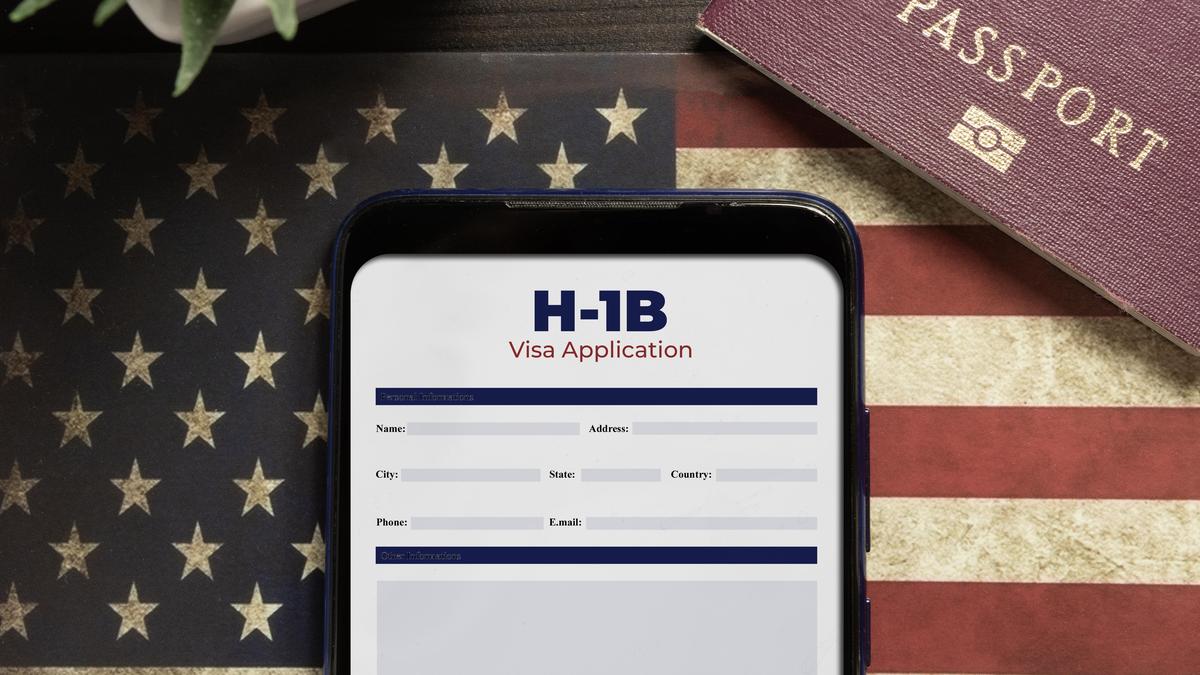
The halls of US visa adjudication just got more… personal. On December 2, 2025, a quiet but consequential cable from the U.S. Department of State rippled across consular offices worldwide — especially those processing visas under the H‑1B visa programme. The message: if you ever worked — or have family members who worked — in content moderation, misinformation/disinformation control, fact-checking, online safety, or any role that could be construed as restricting “protected expression,” that might be enough to send your visa to the trash.
What changed — and why
Traditionally, H-1B applications have been assessed largely on professional credentials: education, skills, work experience, employer sponsorship, and general background checks. But this new directive layers in a far more intrusive dimension. Consular officers are now instructed to dig into applicants’ resumes — and yes, even publicly available LinkedIn profiles or social media footprints — to see if there is any trace of “censorship-related activity.” That could mean working at a social media firm, fact-checking outfit, online-safety org, or anywhere that might have moderated or suppressed content.
The rationale — at least publicly — is framed in the language of protecting free speech. The administration argues that those who have participated in suppressing “protected expression” (particularly in the US) may pose a threat to the values the visa system is supposed to uphold. Under the relevant clause of the immigration law, such persons may be deemed ineligible.
As part of the same push, the policy widens to include visa dependents (e.g. H-4 holders) and all social-media profiles must be public from December 15 onward, to facilitate this screening. What was earlier applied to student visas has now been extended to skilled-worker visas.
Who this impacts — and how
Tech workers from India, China, and elsewhere. The bulk of H-1B visas go to workers from India and other countries, many working in technology, software, content moderation, social media companies, or firms that may have roles in compliance, misinformation detection, or content gating. For such applicants, the new rules could feel like being judged not only by what they do now — but by what their former employers did, or what their family members did.
People with past “content-work” experience, even indirect. Suppose you once interned at a social media firm, or worked in compliance or online-safety reporting, or even something tangential like volunteer fact-checking for a startup — that could now flag you. The vetting is sweeping: resumes, LinkedIn, social media, even work history of accompanying family members.
Renewals too. This isn’t just for first-time applicants. The new policy applies to renewals as well — meaning existing H-1B holders whose visas are up for renewal must also pass the new test.
Employers and hiring pipelines. US companies that depend on global talent — especially Indian IT firms and multinational tech giants — may face disruptions. Suddenly the visa landscape becomes more uncertain, and sponsorship becomes riskier. Hiring strategies may shift, delay, or contract.
What’s at stake — beyond visas
This isn’t just about visas: it’s a statement on what the administration views as acceptable roles in “global tech citizenship.” By tying visa eligibility to past moderation or content-related work, the US government is injecting ideological oversight into immigration policy.
For many overseas professionals, especially those in regions where tech outsourcing and content moderation are big jobs, this may chill future mobility. People may self-censor — avoid certain roles, avoid listing certain experiences, or avoid public online activity — just to stay “visa-clean.”
For the global tech industry, this may complicate staffing, cross-border collaboration, diversity, and the very structure of content moderation outsourcing.
The broader political and cultural context
This policy aligns with other moves by the Donald Trump administration that frame speech regulation and online content moderation as hostile to “free expression,” especially when such moderation is perceived to target conservative voices. Earlier in 2025, the administration had issued an Executive Order 14149 — “Ending Federal Censorship” — aiming to clamp down on any federal collaboration with platforms to moderate or censor speech.
Expanding that philosophy to immigration and visa adjudication reveals a wider ambition: using immigration policy as a tool to enforce a certain view of digital speech and online culture.

Criticisms and concerns
Vague definition of “censorship” and “protected expression: What exactly counts as “censorship” or as having “suppressed protected speech”? These are broad, ambiguous terms; many content-related jobs (e.g. fact-checking, misinformation monitoring) exist precisely to prevent harmful content, not to suppress legitimate speech.
Collateral disqualification: People who contributed to legitimate moderation work — e.g. fighting disinformation, safeguarding children online — may get lumped into the same bucket as those suppressing “protected expression.”
Impact on global talent diversity: The move may disproportionately exclude certain nationalities and skill sets, reinforcing a pipeline bias and potentially harming the global tech ecosystem’s diversity.
Chilling effect on digital labour: Freelancers or outsourced workers might avoid transparency about their previous roles, or stop engagement in content-sensitive work — even if legal — to avoid jeopardizing future mobility.
What comes next — and what to watch
As this new policy rolls out, expect ripple effects across the global workforce. Indian tech professionals — a major stakeholder — may face delays, rejections, or shifts in career plans. Firms may adapt by hiring locally, rethinking outsourcing, or restructuring job descriptions to avoid “content-related” risk.
On a broader scale, this shift marks a transformation: from visa adjudication as a neutral procedure assessing skills, to visa adjudication as a gatekeeping mechanism — a filter not only for talent but for ideas, affiliations, and previous roles.
For individuals, transparency matters more than ever. Social-media footprints, past work roles, and even family connections might determine whether you’re welcome in the U.S. — or not.
Note: Content and images are for informational use only. For any concerns, contact us at info@rajasthaninews.com.
Previous Post
Next Post
TSMC Optimistic Amid...
Related Post