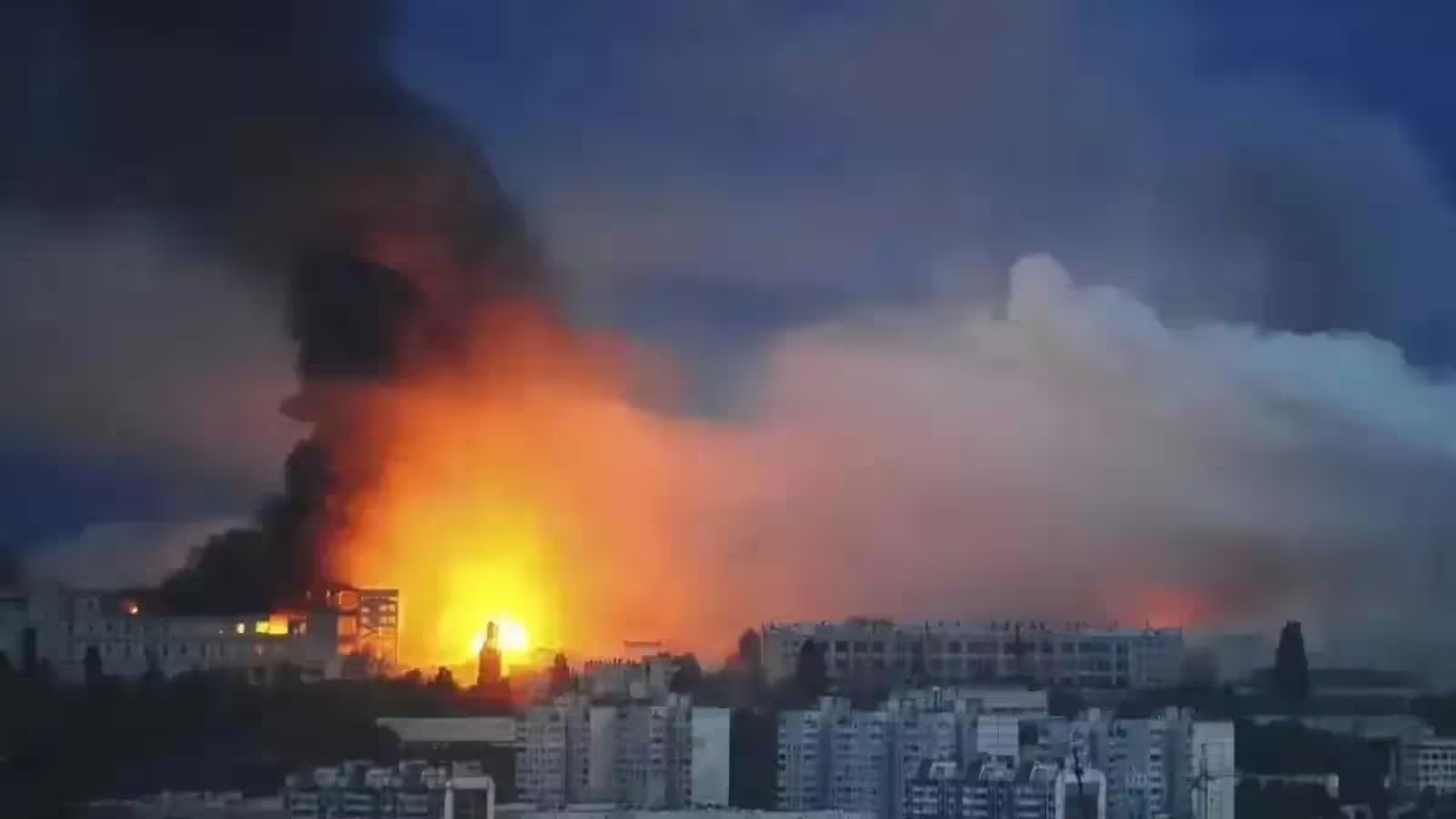

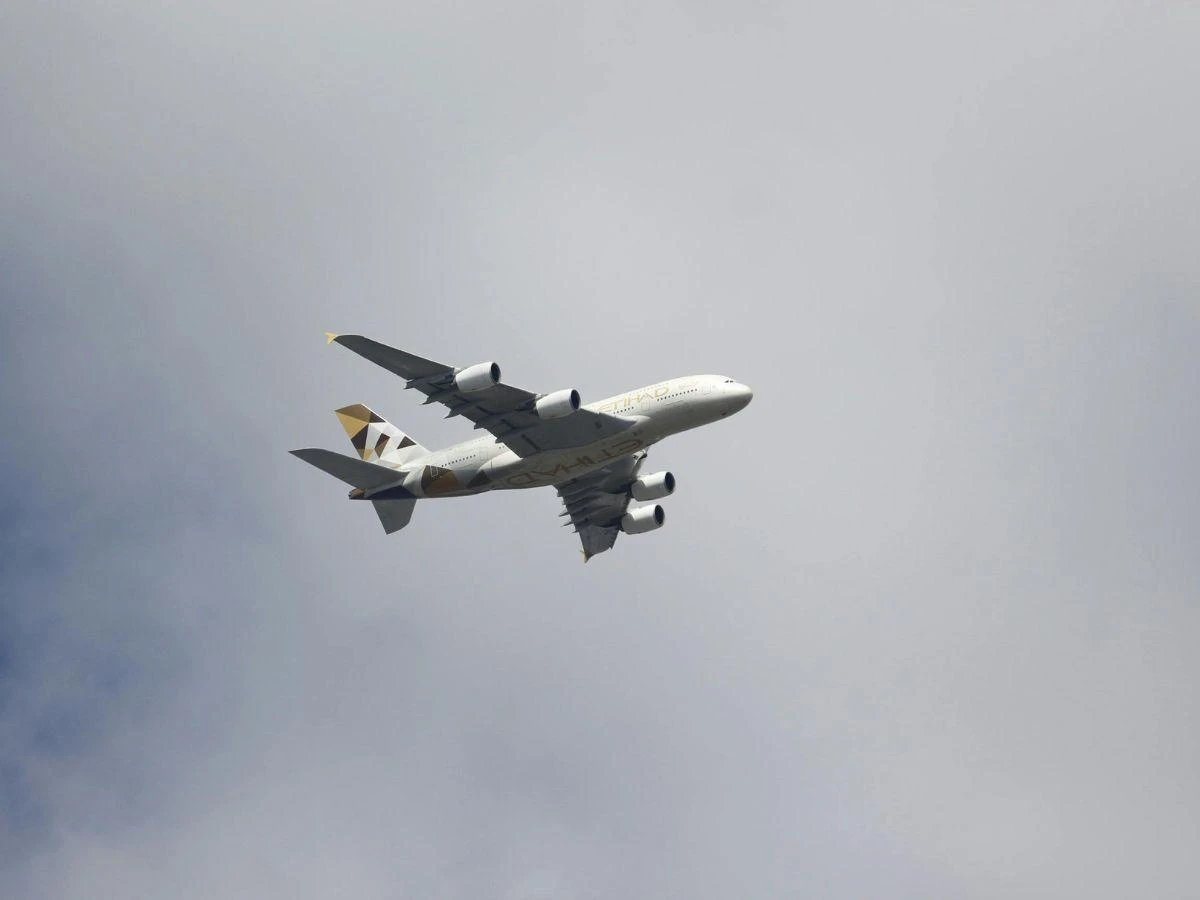
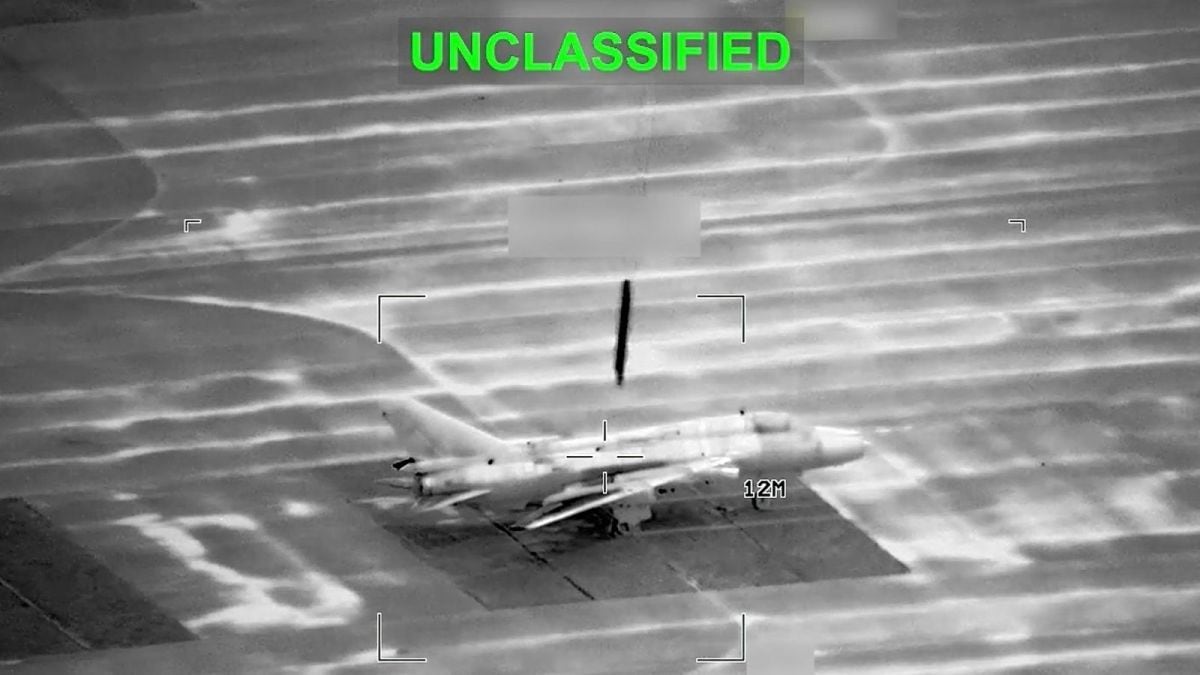
In a major geopolitical development, Spain has officially closed its airspace to U.S. military aircraft involved in the ongoing conflict with Iran. The decision marks a sharp escalation in tensions between Madrid and Washington and highlights growing divisions among Western allies over the war.
The move was confirmed by Spain’s Defence Minister, who stated that the country will not permit the use of either its airspace or jointly operated military bases for any operations linked to the conflict. This follows an earlier decision by the Spanish government to deny the United States access to key military bases such as Rota and Morón. Together, these actions significantly limit logistical support for U.S. military operations in the region.
Spain’s Prime Minister, Pedro Sánchez, has been one of the most vocal critics of the war. He has described the U.S.-led military actions as “illegal” and “unjust,” emphasizing that Spain will not support what it views as a unilateral conflict lacking international legal backing.
The airspace restriction forces U.S. military aircraft to reroute around Spain when traveling from bases in Europe to the Middle East, potentially complicating operational timelines and increasing costs. However, exceptions have been made for emergency situations, ensuring compliance with international aviation norms.
This decision has intensified diplomatic tensions between Spain and the United States. Former U.S. President Donald Trump has reportedly threatened trade retaliation against Spain, further escalating the dispute. Meanwhile, U.S. officials have raised concerns about alliance unity, particularly within NATO, where cooperation among member states is typically expected during conflicts.
Spain’s stance reflects a broader reluctance among some European nations to become directly involved in the Iran war. While certain allies continue to support U.S. operations, others are prioritizing diplomatic solutions and adherence to international law. Analysts suggest that Spain’s position could encourage debate within Europe about the role of NATO members in external military engagements.
Beyond military implications, the decision also carries economic and strategic consequences. The ongoing conflict has already disrupted global markets, particularly oil prices and shipping routes. By distancing itself from the war, Spain is attempting to balance its international commitments with domestic political sentiment, where public opposition to the conflict remains strong.
Importantly, Spain has clarified that its actions are not aimed at undermining its alliance with the United States but rather reflect its independent foreign policy stance. The government maintains that it remains committed to NATO obligations, especially in areas such as collective defense and regional stability.
In conclusion, Spain’s closure of its airspace to U.S. military aircraft represents a significant moment in the evolving dynamics of the Iran war. It underscores deepening geopolitical divides, challenges alliance unity, and signals a shift toward more independent decision-making among key global players.
Note: Content and images are for informational use only. For any concerns, contact us at info@rajasthaninews.com.
Previous Post
Next Post
"Peter Dutton Affirm...
Related Post