
_1768628512.jpg)
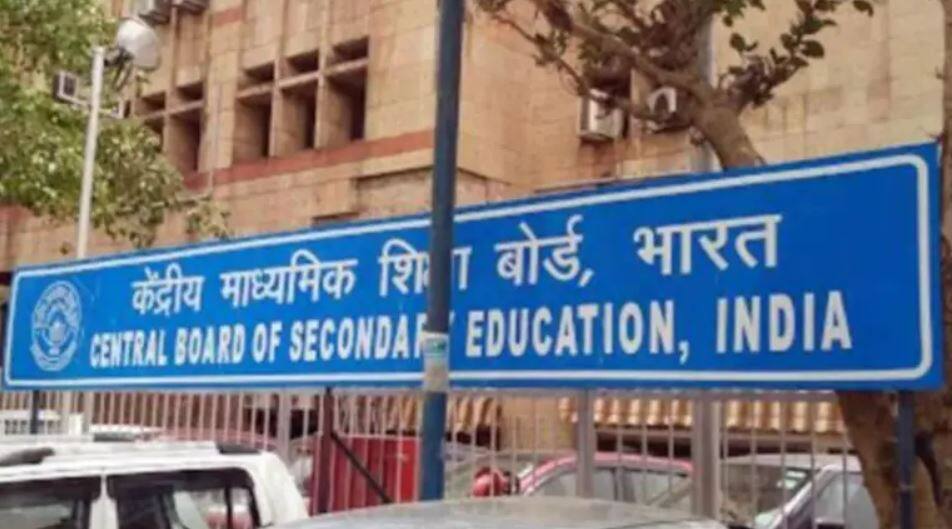
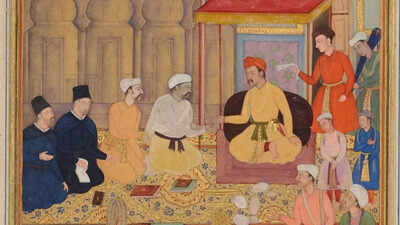
India is witnessing renewed policy discussions and public debate over changes to the school history syllabus, with proposals such as the removal of Mughal emperor Akbar from textbooks drawing widespread attention. The discussions are part of broader curriculum reform efforts aimed at revising educational content to reflect what policymakers describe as a more balanced, contemporary, and relevant approach to teaching history.
Supporters of the proposed changes argue that history syllabi have long focused disproportionately on certain periods and personalities, particularly the Mughal era, while underrepresenting other regions, dynasties, and cultural contributions. They contend that revising textbooks would allow greater emphasis on ancient Indian civilisation, regional histories, tribal cultures, and lesser-known historical figures, thereby offering students a more diverse understanding of India’s past.
Officials involved in curriculum planning have maintained that the intent is not to erase history but to reduce content load, avoid repetition across grades, and align learning outcomes with modern educational frameworks. In this context, figures such as Akbar are being selectively removed or condensed, rather than eliminated entirely, to make space for alternative themes and narratives.
However, the proposed changes have triggered strong reactions from historians, academics, and educators, many of whom caution against what they perceive as politicisation of history education. Critics argue that removing or downplaying influential rulers like Akbar risks oversimplifying India’s complex past and depriving students of a nuanced understanding of governance, cultural synthesis, and administrative systems during medieval times.
Akbar, in particular, is often cited for his administrative reforms, policies of religious tolerance, and efforts to integrate diverse communities into a unified empire. Scholars argue that studying such figures helps students engage critically with historical processes rather than viewing history through narrow ideological lenses.
Teachers have also expressed concern about the frequent revisions to textbooks, noting that sudden changes can create confusion in classrooms and complicate lesson planning. They stress the importance of transparency and academic consultation in curriculum development to ensure that revisions are pedagogically sound and historically accurate.
The debate unfolds against the backdrop of India’s National Education Policy (NEP), which encourages critical thinking, reduced rote learning, and interdisciplinary approaches. While the NEP supports curriculum rationalisation, experts emphasise that reforms must be guided by scholarly consensus rather than political priorities.
Public discourse around syllabus changes has also spilled onto social media, where opinions are sharply divided. Some welcome the move as long overdue, while others see it as an attempt to reshape historical narratives to suit contemporary ideologies.
As policy discussions continue, educationists are calling for a balanced and inclusive approach, one that acknowledges multiple perspectives while preserving historical integrity. The outcome of this debate is likely to have long-term implications for how future generations understand India’s past, making it one of the most closely watched education policy issues in recent years.
Note: Content and images are for informational use only. For any concerns, contact us at info@rajasthaninews.com.

Previous Post
Next Post
"हाईकोर्ट ने प्राइव...
Related Post