
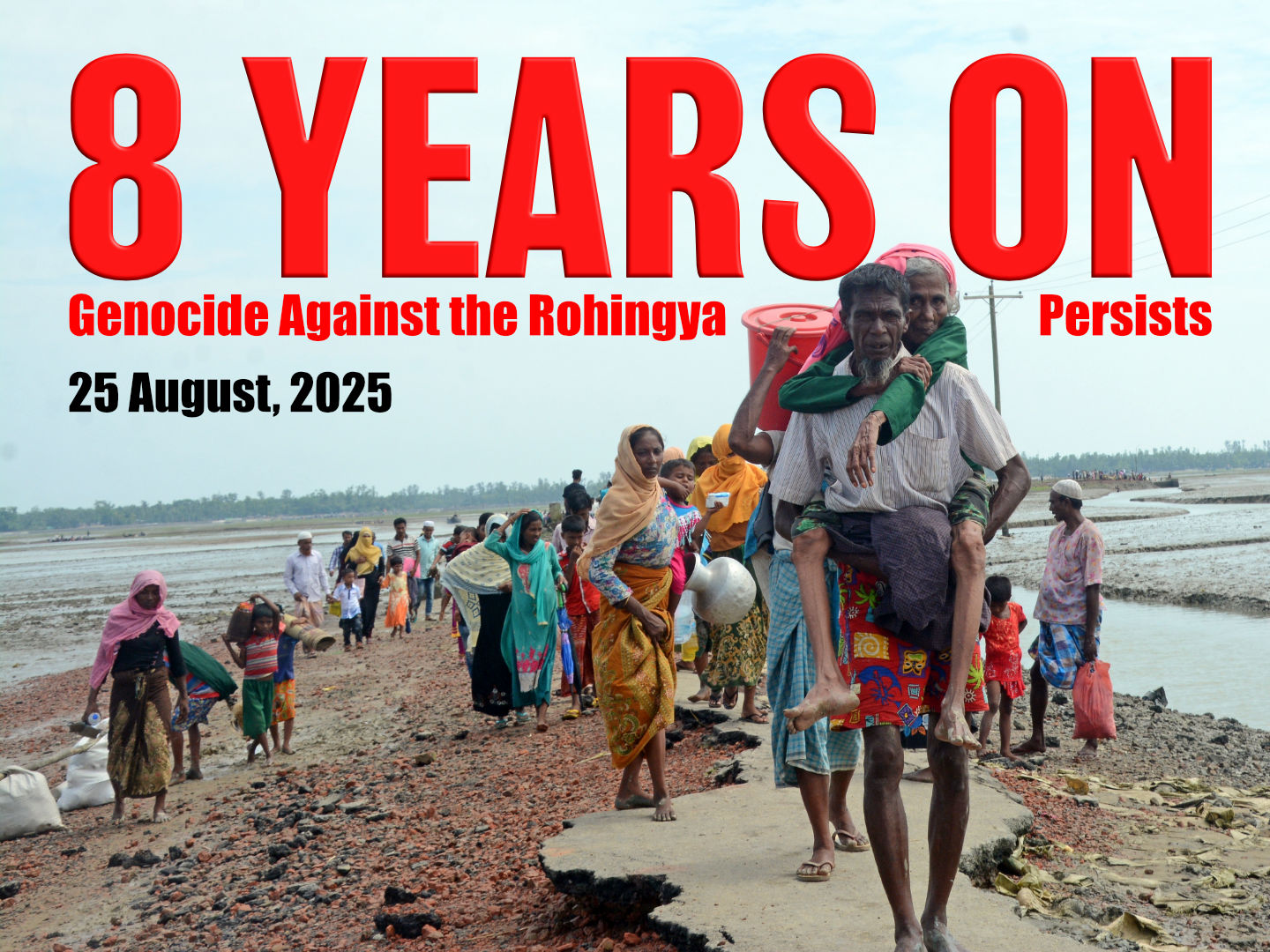
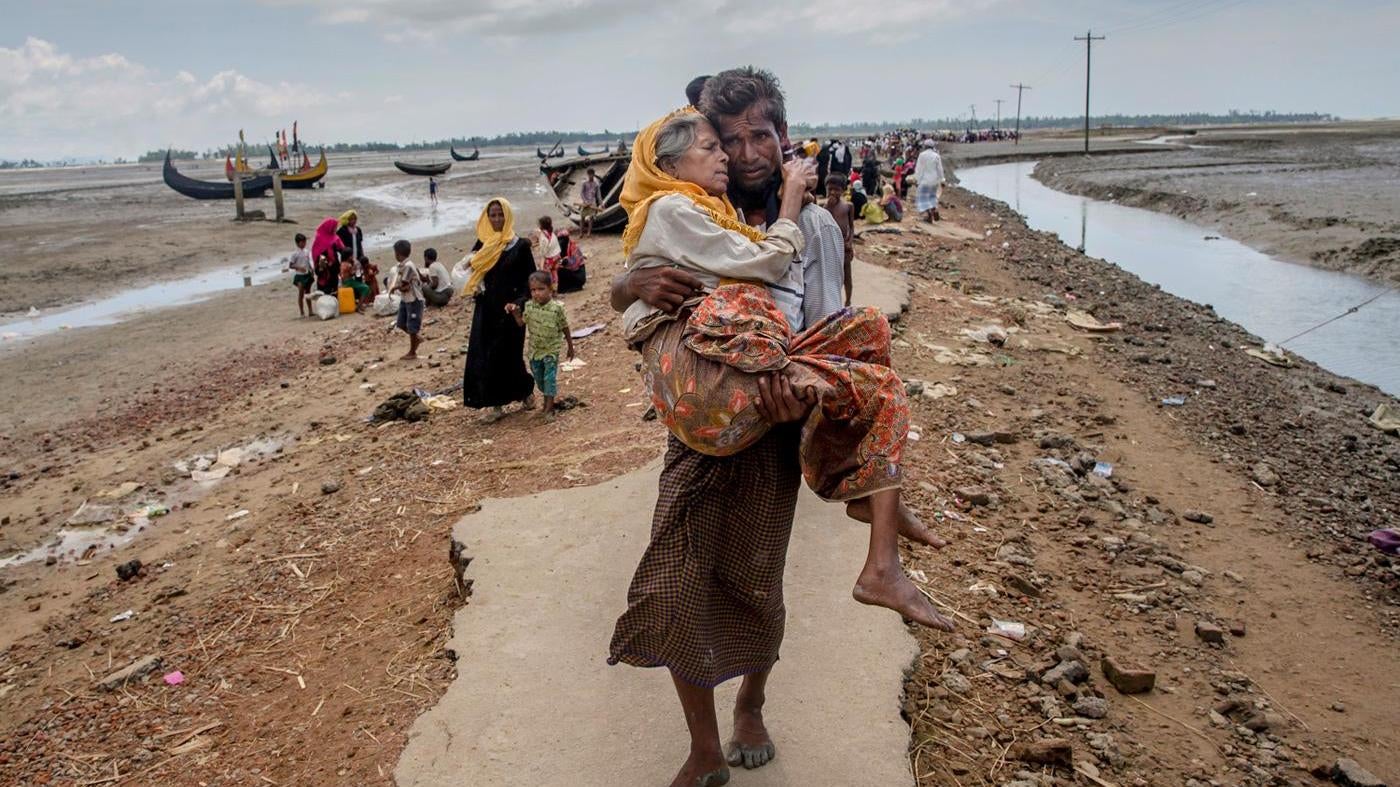
Myanmar has formally begun presenting its defence at the International Court of Justice (ICJ) in The Hague in what is widely regarded as one of the most significant genocide cases in recent international legal history. The proceedings relate to allegations that Myanmar violated the Genocide Convention through its treatment of the Rohingya Muslim minority, particularly during military operations in 2017 that forced hundreds of thousands to flee to neighbouring Bangladesh.
The case was originally filed by The Gambia on behalf of the Organisation of Islamic Cooperation (OIC), accusing Myanmar of committing acts of genocide against the Rohingya population in Rakhine State. The allegations include mass killings, sexual violence, destruction of villages, and systematic displacement. Myanmar has consistently denied genocidal intent, maintaining that its military operations were legitimate counterinsurgency actions against militant groups.
During the latest hearings, Myanmar’s legal team argued that while serious crimes may have occurred, they do not meet the legal threshold required to constitute genocide under international law. The defence emphasised that the case involves complex internal security issues and should not be reduced to claims of state-led intent to destroy an ethnic or religious group.
The proceedings mark a critical moment for Myanmar, particularly as the country remains under military rule following the 2021 coup. Although the current junta did not initiate the alleged actions under scrutiny, it is now responsible for defending the state before the UN’s highest judicial body. Legal observers note that the outcome could have far-reaching consequences for Myanmar’s international standing and future accountability mechanisms.
The Rohingya crisis has been described by the United Nations as one of the world’s worst humanitarian disasters. More than 700,000 Rohingya refugees continue to live in overcrowded camps in Bangladesh, with limited prospects for safe and dignified return. The ICJ case does not involve individual criminal liability but seeks to determine whether Myanmar, as a state, breached its obligations under the Genocide Convention.
In earlier rulings, the ICJ ordered provisional measures requiring Myanmar to prevent acts of genocide and preserve evidence. These interim orders were widely seen as a landmark development, reinforcing the role of international law in addressing alleged mass atrocities even while conflicts remain unresolved.
Human rights organisations are closely watching the defence proceedings, viewing the case as a test of the international community’s commitment to upholding accountability for grave human rights violations. Advocates argue that a strong legal process could help deter future atrocities and strengthen global norms against genocide.
Myanmar’s defence phase is expected to be followed by further submissions and rebuttals before the court moves toward a final judgment, a process that could take several years. Regardless of the verdict, experts say the case has already reshaped discussions around state responsibility, minority protection, and the enforcement power of international law.
As the hearings continue, the ICJ proceedings stand as a reminder of the enduring global quest for justice for the Rohingya people and the challenges of addressing alleged genocide through legal institutions rather than political forums.
Note: Content and images are for informational use only. For any concerns, contact us at info@rajasthaninews.com.
Previous Post
Next Post
"Peter Dutton Affirm...
Related Post