
Technology
Microsoft, OpenAI Sign Non-Binding Deal to Restructure Partnership, Pave Way for IPO and New Funding

Microsoft, OpenAI Reach Non-Binding Deal to Restructure Partnership, Paving Way for New Chapter in AI
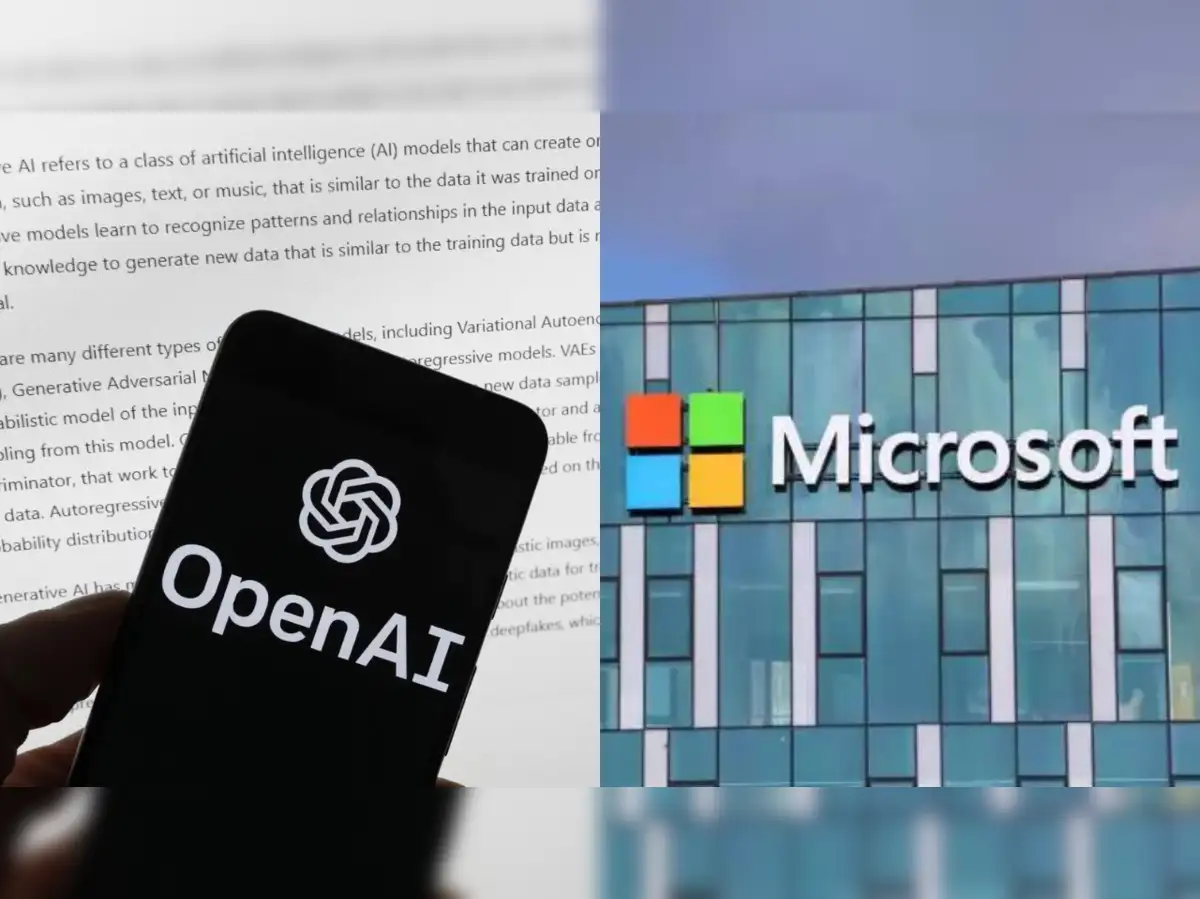
San Francisco/Redmond, September 11, 2025 — In a major development for the global artificial intelligence industry, Microsoft Corp. and OpenAI have signed a non-binding memorandum of understanding (MOU) that lays the groundwork for a significant restructuring of their multi-billion-dollar partnership. The move is aimed at redefining the relationship between the world’s largest software company and one of the most influential AI research and product firms, allowing OpenAI greater independence to raise capital and broaden its alliances while preserving Microsoft’s strategic stake.
Background: A Transformative Partnership
The Microsoft–OpenAI relationship dates back to 2019, when the Redmond-based tech giant first invested $1 billion in the San Francisco-based AI research company. Over time, that relationship deepened, with Microsoft ultimately committing an estimated $11–13 billion, securing preferred commercial rights to OpenAI’s models and embedding them deeply into its flagship Azure cloud services and Copilot AI products.
This partnership helped bring generative AI into the mainstream, with OpenAI’s ChatGPT and Microsoft’s Copilot for Office, Windows, and GitHub driving global adoption of AI tools across workplaces, classrooms, and homes.
Yet, as OpenAI scaled, tensions surfaced. The nonprofit-governed company increasingly sought greater financial flexibility, autonomy in forming partnerships, and more control over its governance. Meanwhile, Microsoft faced scrutiny from regulators and rivals who questioned whether its arrangement with OpenAI stifled competition.
The New Understanding: Non-Binding but Pivotal
Announced late Thursday, the new MOU between Microsoft and OpenAI is non-binding, meaning that while it outlines broad principles, the final terms remain subject to negotiation and regulatory review.
Key Provisions:
Restructuring Freedom: OpenAI will be allowed to reorganize its corporate structure, likely shifting toward a public benefit corporation model. This would preserve the nonprofit parent’s oversight while enabling a for-profit entity to raise larger sums of capital.
Equity and Governance: While specific equity terms are not finalized, industry observers suggest Microsoft may cede some of its preferential rights in exchange for continued access to OpenAI’s cutting-edge models.
Future Capital Raising: The restructuring could enable OpenAI to attract a new wave of investors — including sovereign wealth funds, venture capital firms, and institutional backers — fueling speculation about a possible initial public offering (IPO).
Commercial Terms: Although Microsoft may no longer retain the same exclusivity it once enjoyed, the deal is expected to ensure its continued first access to new OpenAI technologies and deep integration with Azure cloud infrastructure.
Regulatory and Legal Hurdles
The deal is expected to undergo close scrutiny from state regulators in California and Delaware, where OpenAI entities are incorporated. Regulators will review whether the new structure aligns with nonprofit obligations, corporate governance rules, and public interest standards.
In addition, global regulators — including in the European Union and the United States Federal Trade Commission (FTC) — are likely to examine whether the restructured deal maintains fair competition in the AI sector, which is increasingly dominated by a handful of large players.
Industry and Market Implications
For OpenAI:
The restructuring is seen as a chance to unlock massive new funding opportunities, critical as the company pursues ambitious projects such as “Stargate” — a $100 billion supercomputer infrastructure initiative. OpenAI’s leadership has long emphasized that maintaining cutting-edge AI research requires unprecedented levels of compute power, data resources, and talent, all of which require capital beyond what its nonprofit-hybrid model has allowed.
For Microsoft:
While Microsoft may lose some exclusivity, the company is expected to retain preferred access to OpenAI’s models, ensuring its Copilot products remain ahead of rivals like Google’s Gemini, Anthropic’s Claude, and Amazon’s AI initiatives. At the same time, Microsoft could benefit from an OpenAI that is financially stronger, more stable, and less dependent on any single investor.
For the AI Ecosystem:
The move signals a broader shift in how advanced AI labs balance mission and money. The potential transition of OpenAI into a public benefit corporation could set a precedent for other AI firms navigating similar questions of ethics, accountability, and profit.
Unanswered Questions
Despite the significance of the announcement, many details remain unresolved:
Equity Stakes: How much ownership Microsoft will retain in OpenAI’s restructured entity is unclear.
Exclusivity: Whether Azure will remain the exclusive or primary cloud provider for OpenAI’s models remains to be negotiated.
IPO Timeline: If OpenAI does pursue a public listing, when and how it will happen is still speculative.
Governance: How the nonprofit board will interact with a restructured for-profit arm remains a matter of debate, especially in light of last year’s leadership turmoil.
Reactions
Initial reactions from analysts and industry experts suggest cautious optimism.
“This deal shows both companies recognize the limitations of the old structure. OpenAI needs capital at scale, and Microsoft needs to maintain access without raising antitrust alarms. This MOU is a step in that direction,” said one Silicon Valley venture capitalist.
Consumer and watchdog groups, however, warned that restructuring should not compromise ethical safeguards. “The world needs assurances that AI development is safe, transparent, and aligned with public good, not just shareholder returns,” said a digital rights advocate.
The Road Ahead
Over the coming months, Microsoft and OpenAI will work toward converting the non-binding MOU into a definitive, legally binding agreement. This process will involve ironing out financial terms, governance models, and commercial rights, all under the eye of regulators and a highly competitive AI industry.
If successful, the restructuring could mark a watershed moment in the commercialization of artificial intelligence, unlocking new sources of funding and reshaping the balance of power among the world’s leading AI companies.
For now, though, the MOU remains a statement of intent rather than a finalized deal. Both Microsoft and OpenAI have signaled their commitment to continuing their partnership — but one that adapts to the realities of a fast-moving, capital-intensive AI landscape.
Note: Content and images are for informational use only. For any concerns, contact us at info@rajasthaninews.com.
Previous Post

Next Post
TSMC Optimistic Amid...
Related Post