
_1772893678.jpg)
Which State Is Known as the Valley of Lakes?
The Kashmir Valley in Jammu and Kashmir is popularly known as the “Valley of Lakes.” This name comes from the region’s large number of picturesque freshwater lakes formed through glacial activity and mountain hydrology in the Himalayas.
Surrounded by snow-covered peaks and lush meadows, these lakes are not only a major attraction for tourists but also play a vital role in maintaining the ecological balance and supporting the livelihoods of local communities.
Why Kashmir Valley Is Called the Valley of Lakes
The Kashmir Valley lies between the Pir Panjal Range and the Great Himalayas. Over thousands of years, melting glaciers and natural water systems created numerous lakes across the region.
These lakes collect water from glaciers, rivers, and snowmelt, making them important freshwater reservoirs. Their unique formation and scenic beauty earned Kashmir Valley the nickname “Valley of Lakes.”
Famous Lakes in Kashmir Valley
Several well-known lakes contribute to the valley’s reputation:
Dal Lake
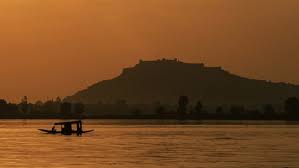
Located in Srinagar, Dal Lake is one of the most famous lakes in India. Known for its houseboats and traditional shikara boats, it is a major tourist attraction.
Wular Lake
Wular Lake is among the largest freshwater lakes in Asia and plays a crucial role in controlling floods and supporting biodiversity in the region.
Nigeen Lake
Often considered an extension of Dal Lake, Nigeen Lake is quieter and known for its clear waters and scenic surroundings.
Manasbal Lake
Manasbal Lake is one of the deepest lakes in Kashmir and is famous for lotus blooms and birdlife.
Importance of Lakes in the Valley
The lakes of Kashmir Valley are essential for several reasons:
Ecological balance: They support aquatic plants, fish, and migratory birds.
Water resources: Lakes act as freshwater sources for nearby communities.
Flood control: Large lakes like Wular help regulate water flow in the region.
Tourism economy: Boating, houseboats, and scenic landscapes attract visitors from across the world.
Cultural and Economic Significance
For centuries, lakes have been central to life in the Kashmir Valley. Communities rely on them for fishing, agriculture, and tourism-related livelihoods.
Floating gardens on Dal Lake, traditional wooden houseboats, and vibrant markets on the water are unique cultural features that reflect the deep relationship between people and the lakes.
Conclusion
The Kashmir Valley in Jammu and Kashmir truly deserves its title as the “Valley of Lakes.” With its glacially formed freshwater bodies, breathtaking landscapes, and rich ecological importance, the region remains one of the most beautiful and environmentally significant areas in the Himalayas.
These lakes not only enhance the valley’s natural charm but also sustain the environment and communities that call the region home.
Note: Content and images are for informational use only. For any concerns, contact us at info@rajasthaninews.com.

Previous Post
Next Post
"Bengaluru's Summer...
Related Post