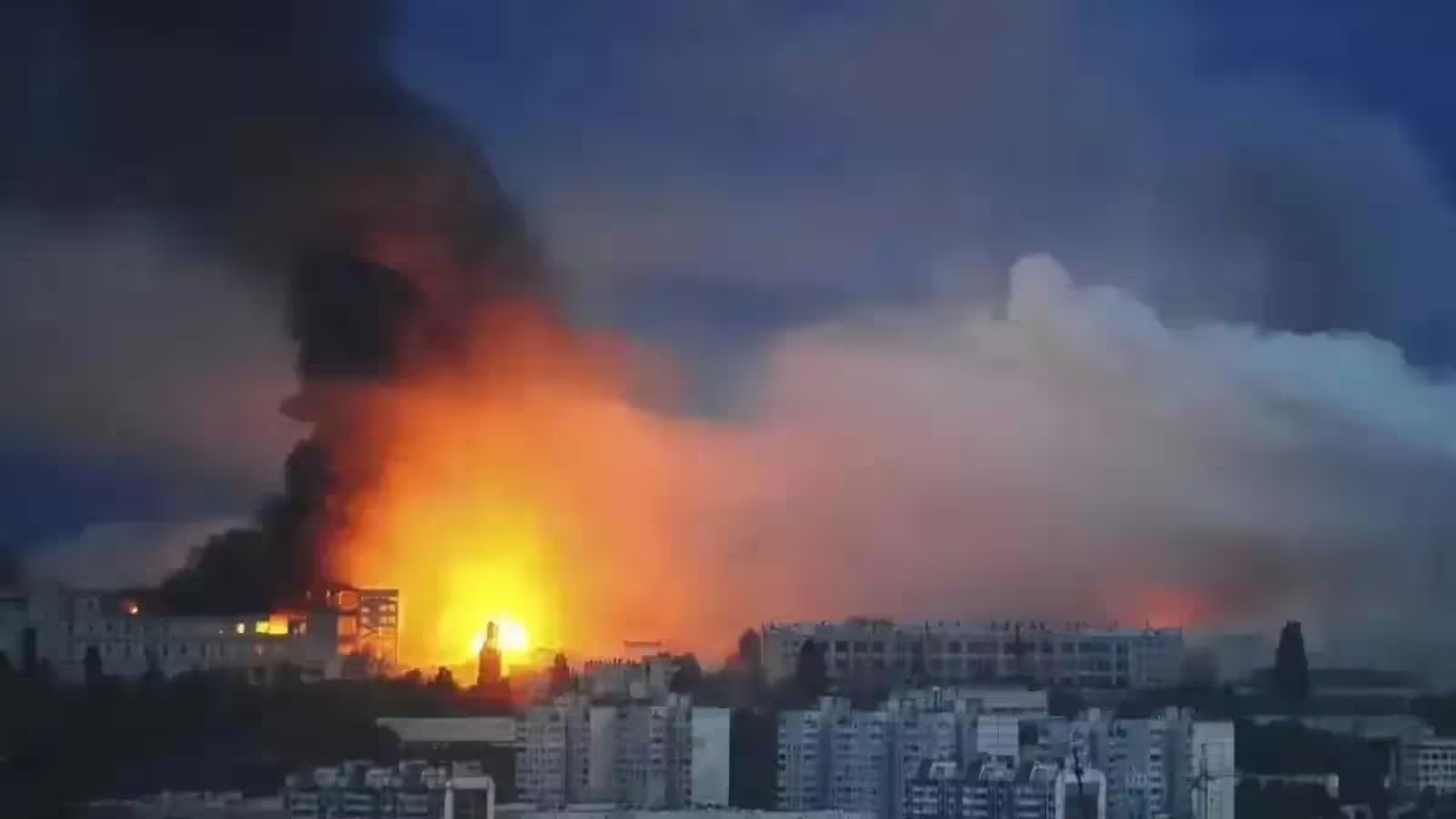

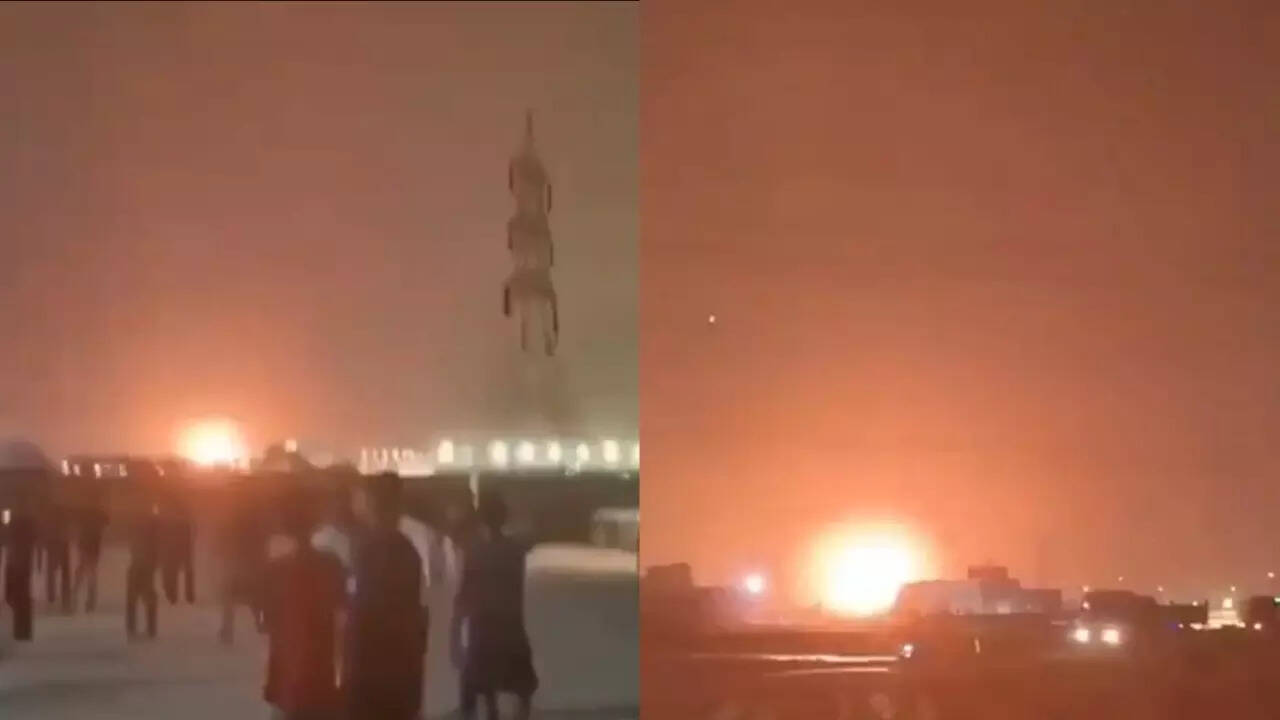
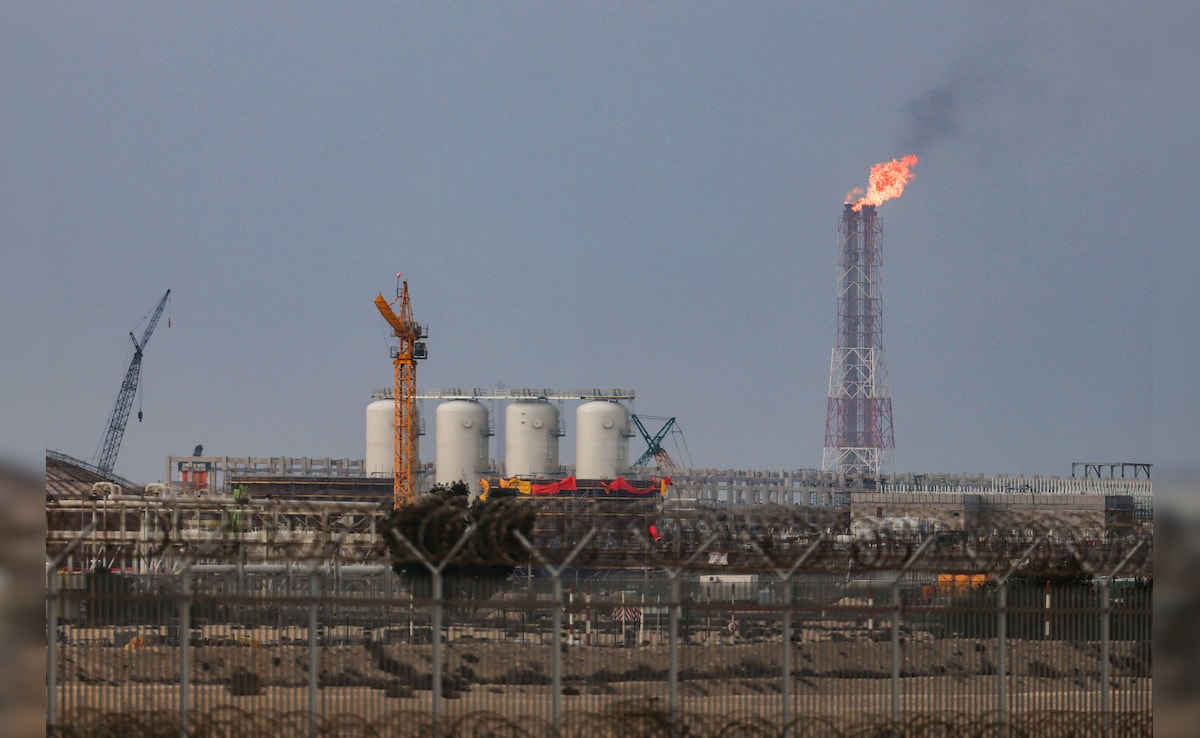
According to recent reports, Iranian missile strikes hit Qatar’s Ras Laffan complex, causing extensive damage and fires at one of the most critical nodes in the global energy supply chain. This facility alone accounts for roughly 20% of the world’s LNG production, making any disruption a serious concern for international markets.
The attacks are believed to be retaliatory in nature, following earlier strikes on Iran’s South Pars gas field—the largest gas field in the world. In response, Iran warned of broader action against energy infrastructure across the Gulf, including sites in Saudi Arabia, the UAE, and Qatar.
Saudi Arabia has also been affected, with key refining infrastructure facing threats and disruptions. Facilities such as Samref and other industrial hubs were placed on high alert, with evacuation warnings issued in some cases. The targeting of these sites underscores a strategic shift in the conflict—from conventional military engagements to what analysts describe as “energy warfare.”
The implications of these attacks are far-reaching. Global oil prices have surged past $110 per barrel amid fears of prolonged supply disruptions, while natural gas markets—especially in Europe and Asia—are experiencing sharp volatility. The Gulf region is responsible for a significant share of the world’s oil and gas exports, and any sustained disruption could have cascading effects on economies worldwide.
Beyond the immediate economic impact, the attacks raise serious concerns about energy security and geopolitical stability. The Strait of Hormuz, a critical chokepoint through which a large portion of global oil supply passes, is now under increased threat. Any escalation in this region could further disrupt shipping routes and exacerbate the crisis.
Experts warn that targeting energy infrastructure marks a dangerous turning point in the conflict. Unlike isolated military strikes, attacks on oil and gas facilities have direct consequences for global supply chains, inflation, and energy availability. This could lead to prolonged instability in international markets and increased pressure on governments to secure alternative energy sources.
As tensions continue to rise, the international community faces mounting challenges in preventing further escalation. Diplomatic efforts may intensify, but the current trajectory suggests that energy infrastructure will remain a central battleground in this conflict. The situation remains fluid, with the potential for further strikes and counterstrikes in the coming days.
Note: Content and images are for informational use only. For any concerns, contact us at info@rajasthaninews.com.
Previous Post
Next Post
"Peter Dutton Affirm...
Related Post