
_1787398754.jpg)
India’s Education Sector Continues to Evolve
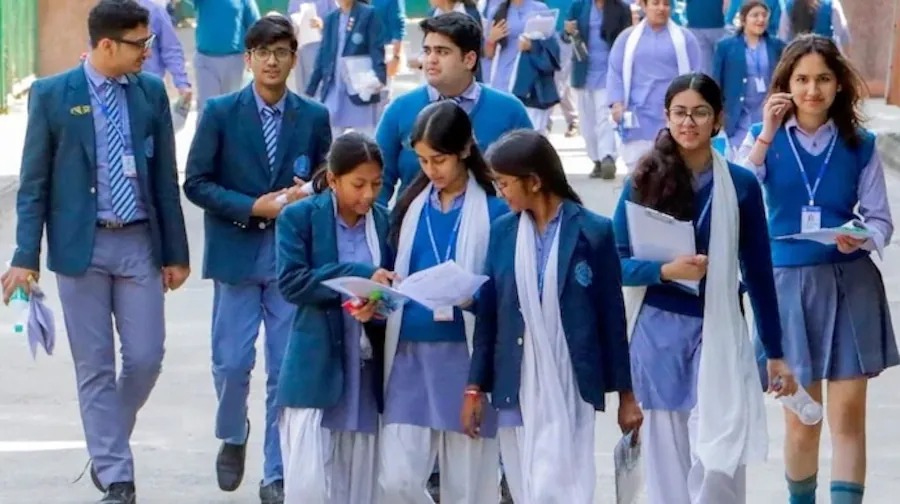
India’s education sector remains one of the most important areas of national development, with schools, colleges and universities continuing to focus on improving learning outcomes, strengthening academic standards and creating better opportunities for students.
Education affects millions of families across the country, making developments in schools and higher education closely watched by students, parents and teachers.
From classroom learning and examinations to teacher training, university admissions and student welfare, the education system is undergoing continuous changes as institutions attempt to respond to the needs of a growing student population.
The focus is increasingly moving beyond examination results toward the overall quality of education and the development of students.
Schools Remain at the Centre of Education Development
School education continues to form the foundation of India’s education system.
Schools are focusing on improving basic learning, strengthening classroom teaching and providing students with a stronger academic foundation.
For younger students, reading, writing, mathematics and communication remain essential areas of development. Teachers and education authorities are also paying greater attention to whether students actually understand concepts rather than simply memorising answers.
A strong foundation during the school years can significantly influence a student's performance in higher classes and future education.
Teachers Play a Critical Role
Teachers remain one of the most important parts of the education system.
A good teacher does more than explain lessons. Teachers help students understand difficult concepts, encourage participation and identify areas where individual students may require additional support.
Teacher training is therefore an important part of improving education quality.
Regular professional development can help teachers adopt better teaching methods and respond to different learning needs inside the classroom.
The quality of education ultimately depends heavily on the quality and availability of teachers.
Student Learning Has Become a Major Focus
Education authorities and institutions are increasingly paying attention to learning outcomes.
The number of students attending school is important, but attendance alone does not guarantee that students are learning effectively.
Schools need to ensure that students understand the material being taught and can apply their knowledge.
This has increased attention toward classroom assessments, practical activities and regular academic monitoring.
The objective is to identify learning gaps early instead of waiting until final examinations.
Examination System Remains Important
Examinations continue to play a major role in Indian education.
Board examinations, entrance examinations and university assessments influence important decisions about students’ academic careers.
Students often spend significant amounts of time preparing for these examinations, making examination patterns and schedules extremely important.
At the same time, there is an ongoing discussion about whether examination performance should be the only measure of a student's ability.
Education experts increasingly emphasise the importance of understanding, creativity, communication and practical knowledge alongside examination results.
Higher Education Continues to Expand
India has a large and diverse higher education system involving universities, colleges, professional institutions and specialised academic centres.
Students are increasingly looking for courses that provide strong academic foundations as well as meaningful career opportunities.
Universities are therefore under pressure to improve teaching quality, research facilities, academic infrastructure and student services.
Higher education institutions also need to ensure that students receive adequate guidance throughout their academic journey.
College Admissions Remain a Major Concern
Admission season is an important period for students and parents.
Students often have to compare universities, courses, fees, locations and future academic opportunities before making a decision.
For many families, the cost of higher education is also an important consideration.
Clear admission procedures and transparent information can help students make better choices.
Educational institutions also have a responsibility to communicate eligibility requirements, admission schedules and course details clearly.
Student Welfare Is Becoming More Important
Student welfare has become an increasingly important part of educational policy.
Students can face academic pressure, financial difficulties, adjustment problems and uncertainty about their future.
Schools and colleges therefore need systems that provide students with appropriate academic and personal support.
A positive educational environment can help students remain engaged with their studies and develop greater confidence.
Parents, teachers and institutions all have an important role in creating such an environment.
Rural and Urban Education Gaps
One of the continuing challenges for India is ensuring that students receive quality education regardless of where they live.
Students in major cities may have access to a larger number of schools, teachers, libraries and educational resources.
Students in rural and remote areas can face different challenges, including shortages of teachers, infrastructure limitations and fewer opportunities for specialised education.
Reducing these differences remains important for creating a more equitable education system.
Every student should have the opportunity to receive quality education regardless of geographical location.
Importance of School Infrastructure
Infrastructure plays a significant role in learning.
Classrooms, libraries, laboratories, sanitation facilities, drinking water and safe school buildings all contribute to the educational environment.
A well-maintained school can provide students with a better atmosphere for learning.
Infrastructure improvements are particularly important in areas where schools have historically faced resource shortages.
Parents Have an Important Role
Parents remain closely involved in students’ education.
Regular communication between parents and teachers can help identify academic difficulties at an early stage.
Parents can also support students by creating a suitable study environment and encouraging healthy study habits.
However, excessive academic pressure can have the opposite effect.
Students need encouragement and guidance rather than constant pressure to achieve the highest possible marks.
Education Should Prepare Students for Life
The purpose of education extends beyond passing examinations.
Students need to develop communication skills, discipline, confidence, problem-solving ability and social awareness.
Schools and colleges provide an environment where students can learn how to work with others, manage responsibilities and make decisions.
These abilities can remain valuable throughout a person's life.
A successful education system should therefore prepare students not only for examinations but also for the responsibilities of adulthood.
Future Priorities for Education
The future of India’s education sector is likely to depend on several key priorities.
Improving teaching quality, strengthening school infrastructure, supporting teachers, reducing learning gaps and expanding access to higher education will remain important.
Educational institutions will also need to maintain academic standards while ensuring that students receive appropriate support.
The focus should ultimately remain on improving the quality of learning.
Conclusion
Education remains one of the most important foundations of India’s future.
Schools, teachers, colleges, universities, parents and students all have a role to play in improving the education system.
While examinations and academic qualifications remain important, true educational development depends on whether students gain knowledge, confidence and the ability to apply what they learn.
A stronger education system can create better opportunities for students and contribute to the long-term development of society.
The future of education will therefore depend not only on expanding access but also on ensuring that every student receives meaningful, high-quality learning.
Note: Content and images are for informational use only. For any concerns, contact us at info@rajasthaninews.com.

Previous Post
Next Post
"हाईकोर्ट ने प्राइव...
Related Post