
Technology
‘India’s AI Edge Lies in Its Languages’: Mission Bhashini Architect Rajeev Sangal on the Future of Indic AI
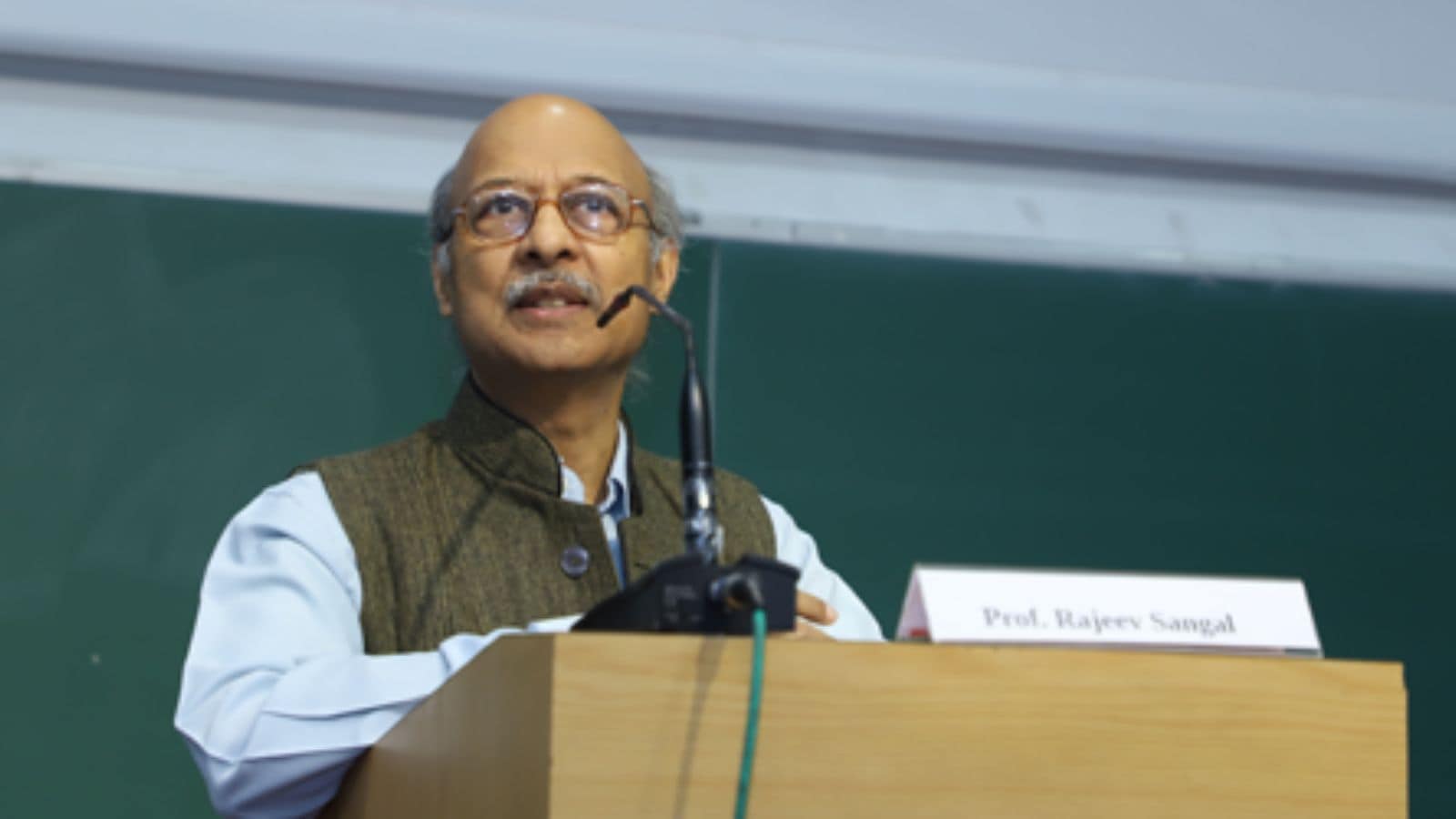
India’s growing prominence in artificial intelligence (AI) is increasingly linked to its linguistic diversity, according to Professor Rajeev Sangal, one of the leading minds behind Mission Bhashini, the national initiative to make digital services and AI accessible in all Indian languages. In a recent interview, Sangal emphasized that India’s true AI advantage will come from its deep cultural and linguistic understanding, not just from algorithmic innovation.
Launched under the National Language Translation Mission, Mission Bhashini aims to bridge India’s language divide by building scalable, open-source AI tools that can translate and interpret across the country’s 22 official languages and hundreds of dialects. Professor Sangal, who has decades of experience in computational linguistics and natural language processing, believes that India’s multilingual data and linguistic expertise can give it a competitive edge in developing inclusive and culturally aware AI systems.
However, Sangal also voiced caution about the open-sourcing of Indic language datasets, a practice that has drawn both praise and criticism. While open datasets foster collaboration and innovation, he warns that they also raise questions of ownership, accuracy, and ethical use. “Our data represents our people, our expressions, and our culture,” he said, stressing that these resources must be protected from misuse or commercial exploitation without consent.
Looking ahead, Sangal outlined the vision for Bhashini 2.0, which focuses on deeper contextual understanding, improved translation accuracy, and seamless integration with generative AI systems. The next phase will expand beyond text and speech to include multimodal communication—AI that understands video, gesture, and emotion in Indian contexts.
As India prepares for the India AI Impact Summit 2025, Sangal expects meaningful discussions around responsible AI governance, digital inclusivity, and linguistic equity. He believes India has the opportunity to lead the world in creating technology that not only performs well but also respects diversity and preserves cultural identity.
“English-first AI systems will never fully capture the richness of Indian thought,” Sangal noted. “Our languages carry our worldview, our humor, and our history. To build truly Indian AI, we must teach machines to understand India first.”

Note: Content and images are for informational use only. For any concerns, contact us at info@rajasthaninews.com.

Previous Post
Next Post
TSMC Optimistic Amid...
Related Post