

Sports
Gautam Gambhir, sinner and saint: Is the head coach solely responsible for India’s Test slump at home?

For decades, the Indian Test team ruled at home. Spinners could rough up visiting batsmen, batters relished familiar pitches, and India rarely lost a Test series on their own turf. That fortress — that deeply rooted pride — is now cracking. Under head coach Gautam Gambhir, the foundation seems to be crumbling. But as we scramble to pinpoint blame, it's worth asking: is the coach solely responsible — or are we staring at a generational unraveling that no single individual can arrest?
The Collapse: A Home Fortress No More
In a span that once seemed unthinkable, India have lost four of their last six home Tests under Gambhir’s watch.
The final blow came in 2025, when a resurgent South Africa national cricket team dismantled India 2–0 in India — their first home Test series win in the country since 2000. The second Test, played at Guwahati, culminated in a painful 408‑run loss, India’s worst-ever defeat in Test history.
The result: a once‑feared home side now looking fragile, exposed, and rudderless. Fans boo the coach, critics comment on a lack of discipline, and former players publicly question whether this is the end of an era.
What Critics Say: Gambhir’s “All‑rounder Obsession” and Tactical Blunders
Many squarely place the blame on Gambhir, pointing to several contentious decisions that — in hindsight — now look like tactical misfires.
From Specialists to All‑Rounders: Under Gambhir, the emphasis seems to have shifted heavily towards multi‑skilled players. Traditional specialists — especially batters suited for red‑ball cricket — have been sidelined in favor of all‑rounders. Critics argue this tilted the balance away from reliability and consistency.
Unstable Batting Order: The No. 3 slot, once an anchor of stability, has become a revolving door. Names like Shubman Gill, Sai Sudharsan, Karun Nair, Washington Sundar — even those with promise — have been shuffled in and out. That uncertainty has prevented any one batter from truly settling, building rhythm, or thriving under pressure.
Constant Churn in Playing XI: Rather than letting combinations settle, the management under Gambhir has repeatedly chopped and changed the team. Such instability has disrupted role clarity, team cohesion, and confidence. For many players, each Test feels like an audition, not a continuation.
Pitch Philosophy — Risky Experiments: Perhaps most controversial: the supposed obsession with spin-friendly, turn-heavy pitches at home. The logical idea might have been to play to India’s spinning strength — but in practice, the gamble backfired badly, especially in venues like Kolkata. Selecting four spinners, or radically altering the playing XI expecting spin dominance, looked like tactical “brain-fades”, not bold moves.
Given the results, many argue these weren’t just honest experiments but fundamental miscalculations — and that at the helm of this downward spiral sits Gambhir. Headlines like “Gautam Gambhir deserves blame as India’s home Test fortress collapses” have become common. NDTV Sports+1
But It’s Not That Simple: Supporters, Realities & Structural Flaws
Yet — as in any grand tragedy — villains and victims blur. Some voices urge calm, pointing to complexity rather than conspiracy.
Players Must Shoulder Responsibility Too: Former India batter Suresh Raina recently came to Gambhir’s defense, arguing that coaches can guide — but ultimately, players must perform.
Support‑staff & Pitch Curators Are Also Part of the System: Sitanshu Kotak — India’s batting coach — cautioned that singling out Gambhir is unfair. He underlined that pitch preparation, support‑staff decisions, and collective responsibility all affect outcomes.
No Specialist Talent Pipeline Left: Some argue the problem lies deeper than coaching — red‑ball specialists have dwindled, while young talent is lured by white‑ball contracts and leagues. India’s domestic circuit, once a breeding ground for Test stalwarts, seems to be producing fewer performers ready for long-form cricket.
Transitional Phase & Legacy Departures: The retirements of heavyweights like Virat Kohli, Rohit Sharma, and Ravichandran Ashwin have left huge voids. Rebuilding after such exits takes time — and maybe Gambhir inherited a crumbling house, not built one.
Indeed, Ashwin himself, though retired, pointed out that a coach cannot clutch the bat — performance lies with players on the field.
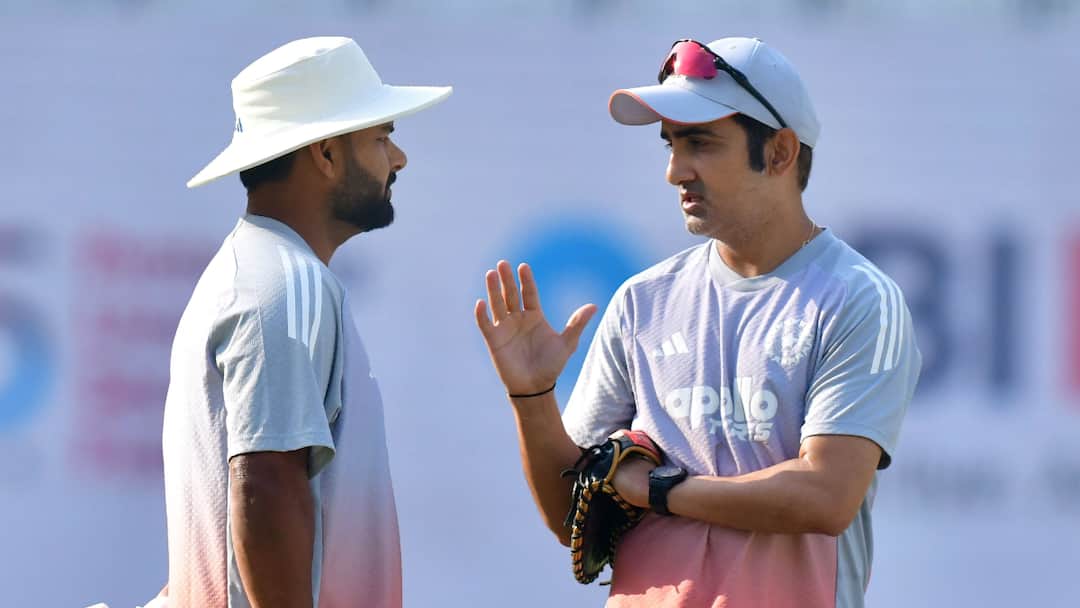
So — Is Gambhir the Sole Scapegoat?
Here’s the truth: if I had to pick, Gambhir deserves a big slice of accountability. His tactical calls — pitch preferences, playing XI composure, batting‑order instability, overemphasis on all‑rounders — all laid the groundwork for disaster. He gambled big. It didn’t pay off. And the ghosts of those decisions now haunt Indian cricket’s reputation at home.
But to brand him sole culprit would be naive. The decline isn’t just a desk job gone wrong — it’s systemic: legacy departures, loss of red‑ball culture, domestic structure issues, and an era where white‑ball glamour overshadows Test grit. Players oscillate between formats; domestic red‑ball cricket doesn’t carry the prestige or priority it once did. This isn’t a problem he created alone — but he certainly inherited it. And arguably, mismanaged it.
Questions That Still Linger
When specialists are sidelined in favour of all‑rounders, are we sacrificing reliability for versatility? Is that trade-off worth it in Test cricket’s high-stakes drama?
Can a coach — no matter how good — revive a red‑ball culture that’s been weakening for years? Or does the problem lie outside the dressing room: in domestic cricket priorities, contracts, shifting dreams of young players?
Does India need a “specialist red-ball coach”, as some now suggest, rather than a one-size-fits-all setup that treats all formats equally?
Or is the real issue time itself: the absence of continuity, of stable batting orders, long-term planning, and patience?
Epilogue — A Coach, A Crisis, Or A Call for Reinvention?
History favors the builder — the one who constructs slow and steady, learns from mistakes, and creates a legacy. Right now, Gambhir is not being remembered as a builder. He’s being remembered as the coach under whom India’s home Test fortress crumbled.
If he continues — then he must reinvent: trust specialists, stabilise the core, resist the temptation of quick fixes, and rebuild the red-ball soul brick by brick. If he doesn’t — or if the Board decides enough is enough — then it’s time for a reset. A return to values, traditions, and respect for the format that made Indian cricket revered.
Whether Gambhir ends up as sinner or saint — or a flawed guardian of a fading era — will depend not just on him, but on whether Indian cricket remembers what it once stood for — and is willing to fight for it again.
Note: Content and images are for informational use only. For any concerns, contact us at info@rajasthaninews.com.

Previous Post

Next Post
**Nitish Rana Backs...
Related Post