
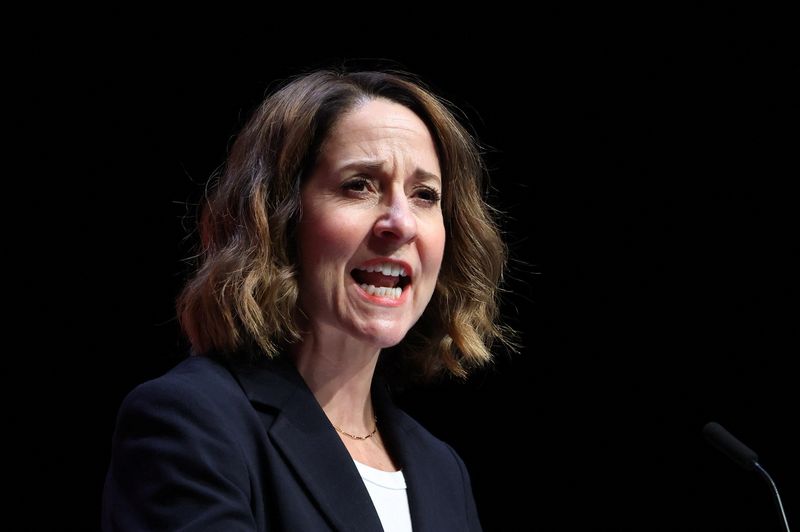
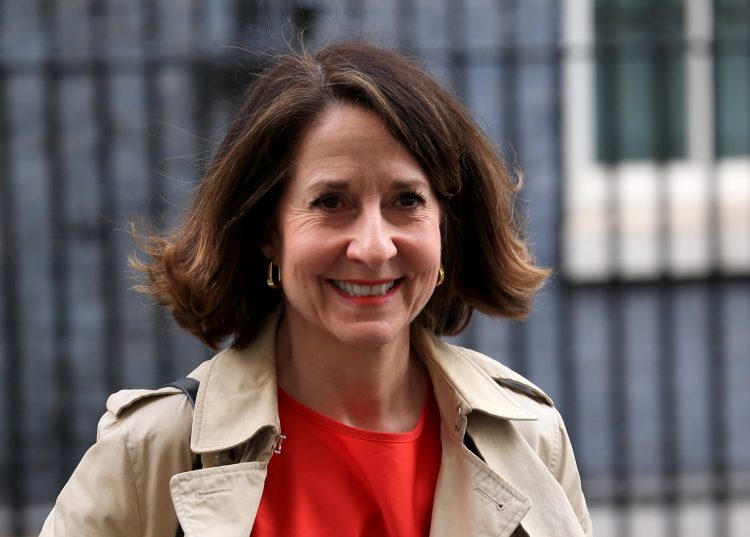
Britain is attempting to strike a delicate balance between accelerating artificial intelligence development and protecting the rights of creators, as it seeks a “reset” in the ongoing copyright battle between AI companies and the creative community. The move comes after widespread criticism of earlier proposals that would have allowed AI developers to train their models on any material they could lawfully access, including copyrighted works.
Prime Minister Keir Starmer has made it clear that he wants Britain to emerge as an AI superpower, positioning the country at the forefront of innovation in generative artificial intelligence. As part of this vision, the government initially floated plans to relax copyright rules, arguing that easier access to data was essential for training advanced AI systems that could compete globally with those developed in the United States and China.
However, the proposals triggered strong resistance from artists, authors, musicians, journalists, and publishers, who warned that weakening copyright protections could undermine the UK’s creative industries. Critics argued that allowing AI models to freely train on copyrighted content without explicit permission or fair compensation would amount to the large-scale exploitation of creative work. The backlash highlighted growing concerns that AI-generated content could erode livelihoods while benefiting technology firms disproportionately.
In response, the British government has signalled a shift in tone, describing its latest efforts as a “reset” in the debate. Officials now say they are committed to finding a more balanced framework that supports innovation while respecting intellectual property rights. Rather than pushing through unilateral changes, the government is engaging in broader consultations with stakeholders from both the technology sector and creative industries.
The issue reflects a global challenge, as governments worldwide grapple with how to regulate AI systems trained on vast amounts of online data. While tech companies argue that broad access to data is essential for improving AI accuracy and usefulness, creators insist that their work should not be used without consent or compensation. Britain’s debate is therefore being closely watched as a potential model for how democratic nations reconcile innovation with copyright law.
For Prime Minister Starmer, the stakes are high. Britain’s creative industries contribute billions of pounds annually to the economy and are a major source of global cultural influence. At the same time, AI is seen as a key driver of future economic growth, productivity, and competitiveness. Any policy misstep could risk alienating either creators or investors in advanced technology.
As the government works towards a compromise, options under discussion reportedly include clearer licensing mechanisms, transparency requirements for AI training data, and potential opt-out or opt-in systems for rights holders. The outcome of this reset could define how AI and creativity coexist in Britain’s digital future, shaping both innovation and cultural protection in the years ahead.
Note: Content and images are for informational use only. For any concerns, contact us at info@rajasthaninews.com.
Previous Post

Next Post
TSMC Optimistic Amid...
Related Post