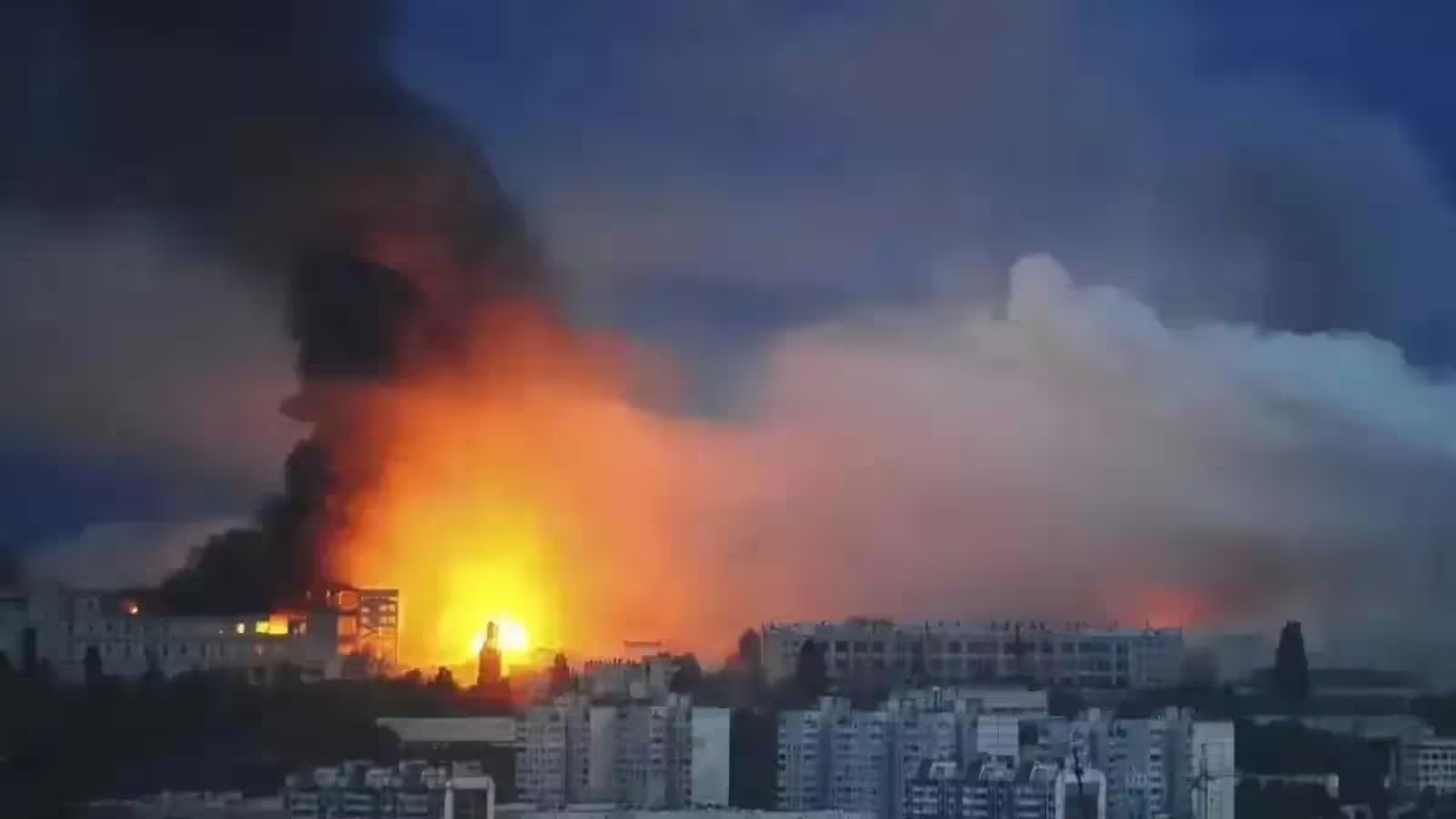

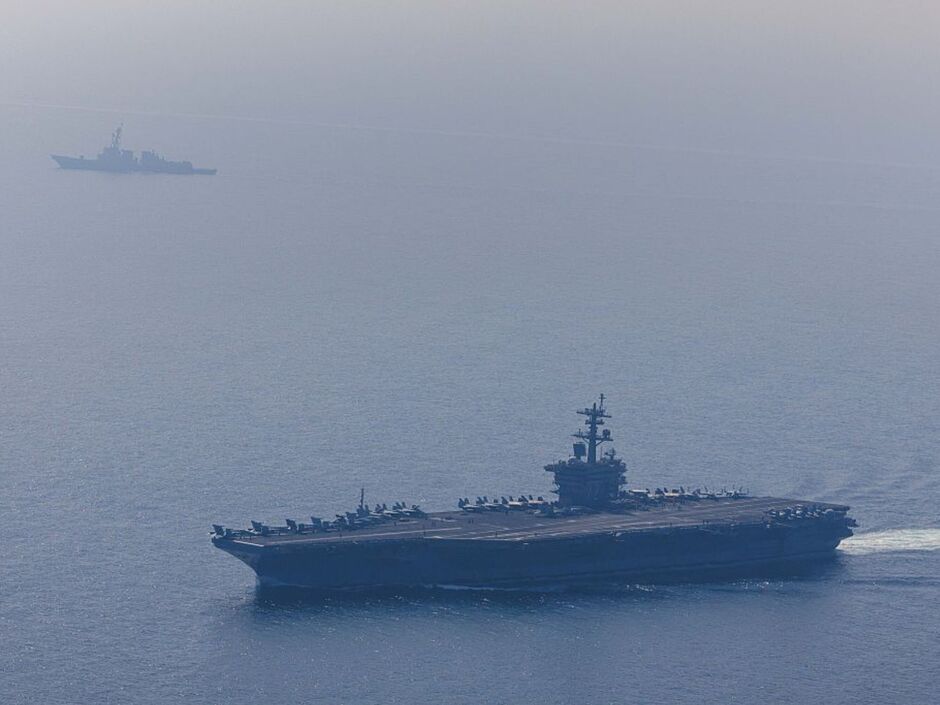
The United States has significantly increased its naval and air force presence near Iran, sparking fresh concerns about escalating tensions in the Middle East. Satellite imagery and defense tracking systems indicate the deployment of warships, aircraft carriers, and advanced fighter jets in waters and airspace close to Iranian territory. The move is widely viewed as a strategic show of force amid ongoing geopolitical friction between Washington and Tehran.
Among the key assets reportedly deployed are U.S. Navy carrier strike groups, including the United States Navy’s advanced aircraft carriers such as the USS Abraham Lincoln operating in regional waters. Aircraft carriers are typically accompanied by guided-missile destroyers and cruisers, forming a powerful maritime strike capability capable of launching air and missile operations if required.
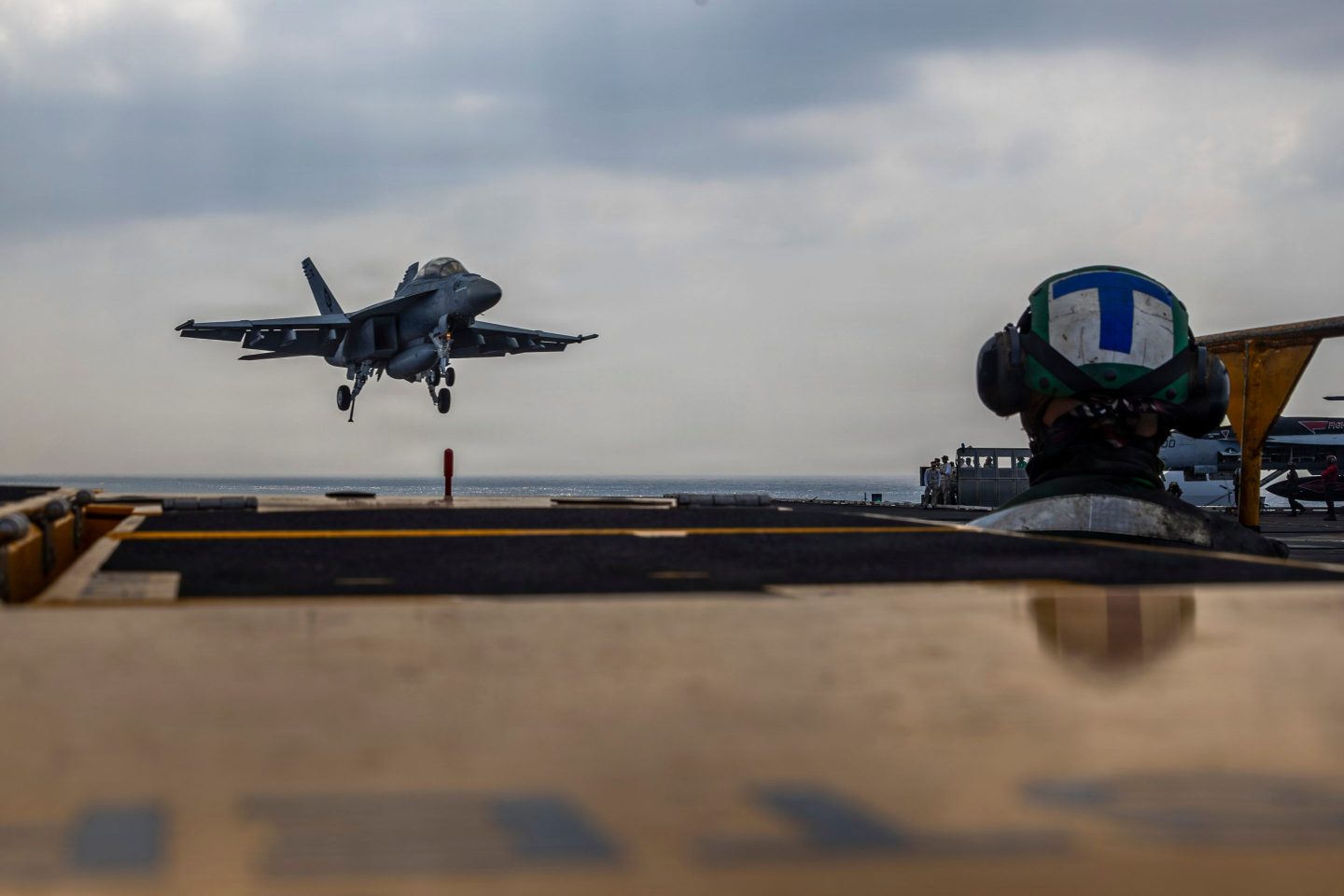
In addition to naval power, the U.S. has increased its air force footprint in the region. Reports indicate that fighter aircraft, including advanced stealth jets, refueling tankers, and surveillance planes, have been positioned at strategic bases across the Middle East. These deployments provide the U.S. with rapid response capabilities and enhanced air superiority in case of any escalation.
The military buildup comes at a time of heightened tensions over Iran’s nuclear activities, regional proxy conflicts, and maritime security concerns in the Gulf. The Strait of Hormuz, a vital global oil transit route near Iran’s southern coast, remains strategically sensitive. Any instability in the region can directly impact global energy markets and international trade flows.
U.S. officials have described the deployment as a deterrence measure rather than preparation for imminent conflict. The Pentagon has repeatedly emphasized that the objective is to protect American personnel, allied forces, and regional partners. However, the scale of the buildup has drawn international attention, with analysts debating whether it signals a pressure tactic aimed at influencing diplomatic negotiations.
Iran, on its part, has often criticized such military deployments, calling them provocative. The Iranian government has consistently maintained that its defense posture is defensive in nature while warning against foreign military presence near its borders.
Security experts suggest that such displays of military strength are part of a broader strategic messaging effort. By positioning aircraft carriers and fighter jets within operational range, the U.S. demonstrates readiness without necessarily crossing into active conflict. This approach allows Washington to maintain leverage in diplomatic engagements while reassuring allies in the region.
The situation remains fluid, with diplomatic channels reportedly still open. While no direct confrontation has occurred, the increased military presence underscores the fragile balance of power in the Middle East. Observers continue to monitor developments closely, as any miscalculation or incident could rapidly escalate tensions.
As geopolitical rivalries intensify, the U.S. military buildup near Iran serves as a reminder of the region’s strategic importance and the ongoing complexities shaping global security dynamics.
Note: Content and images are for informational use only. For any concerns, contact us at info@rajasthaninews.com.

Previous Post
Next Post
"Peter Dutton Affirm...
Related Post