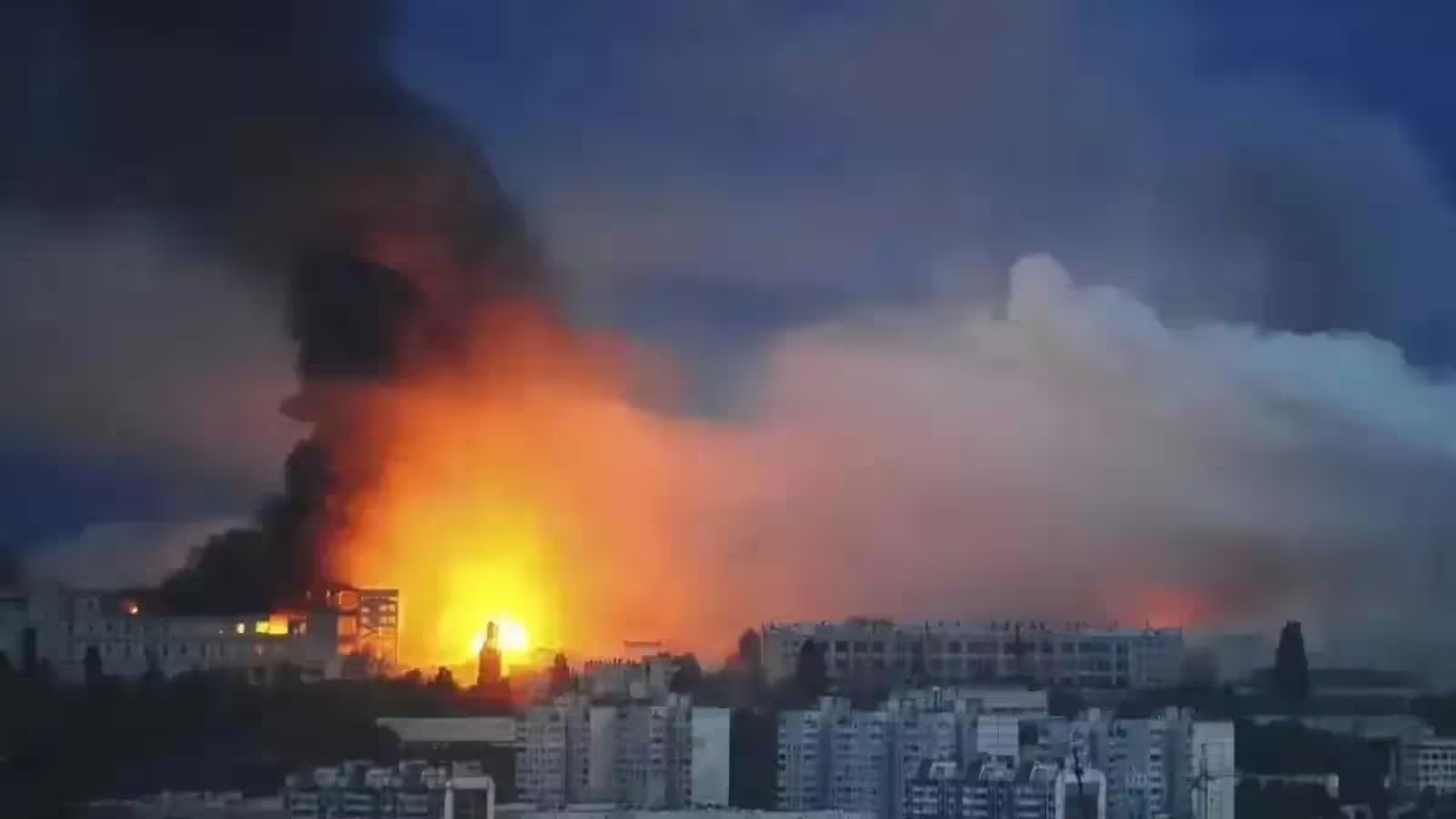

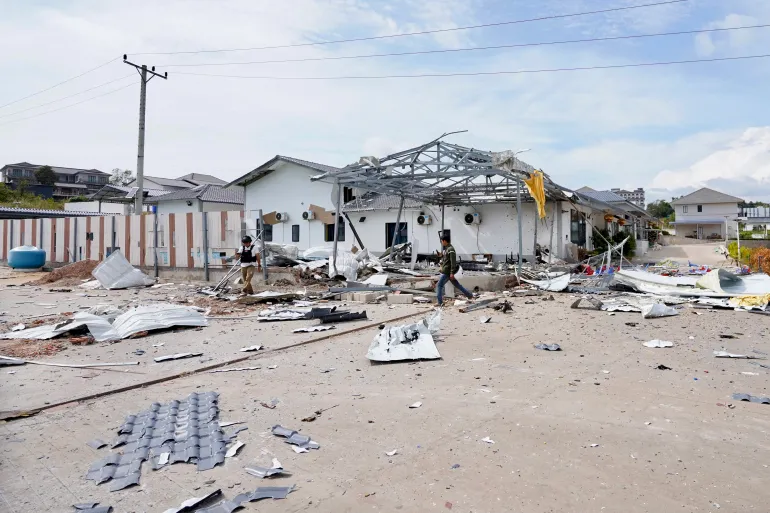
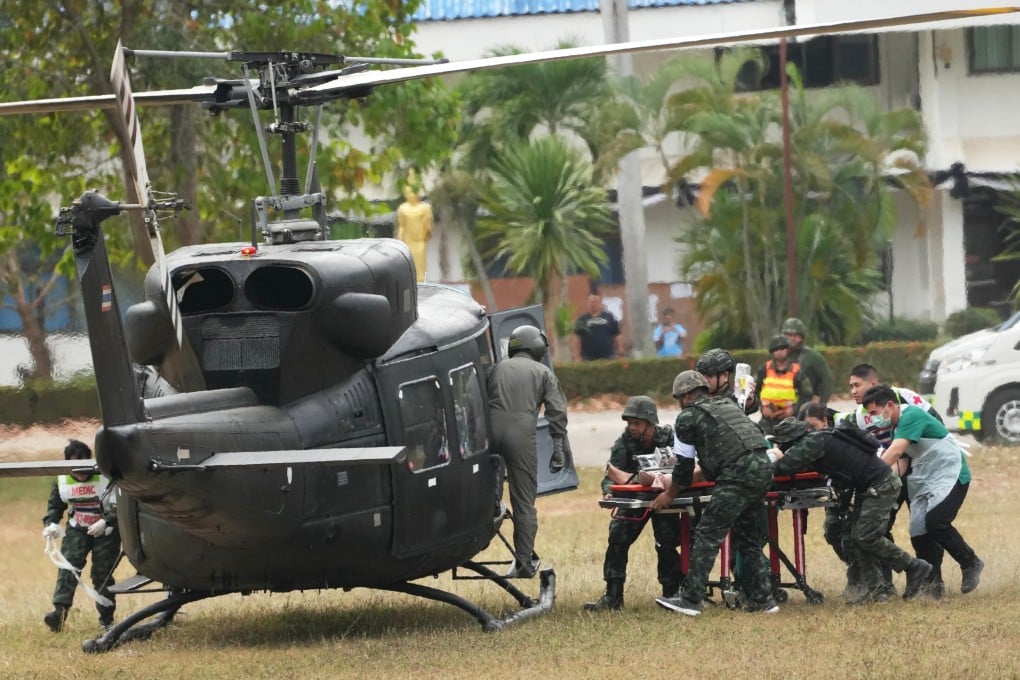
Fighting between Thailand and Cambodia has continued along disputed border areas despite former US President Donald Trump’s claim that both countries had agreed to a ceasefire, highlighting the gap between diplomatic statements and realities on the ground. Reports from the region indicate that sporadic clashes and heightened military alertness persist, underscoring the fragility of peace efforts in the long-running border dispute.
The conflict centres on contested stretches of the Thailand-Cambodia border, an area that has witnessed repeated tensions over decades, particularly around temple complexes and ill-defined boundary lines dating back to the colonial era. Although large-scale confrontations have been avoided in recent years, periodic flare-ups continue to disrupt local communities and strain bilateral relations.
Donald Trump’s assertion that Thailand and Cambodia had reached an understanding to halt hostilities was welcomed by some as a potential breakthrough. However, officials on the ground have been more cautious, with neither side issuing a clear, formal confirmation of a comprehensive ceasefire agreement. Military sources and local authorities have reported continued exchanges of fire and troop movements, suggesting that any diplomatic assurances have yet to translate into concrete de-escalation.
Analysts say the situation reflects the complex nature of border conflicts, where central governments may signal willingness to calm tensions while local commanders respond to perceived threats in real time. In such environments, even minor incidents can escalate quickly, especially in areas where borders are poorly demarcated and historical grievances remain unresolved.
The ongoing fighting has raised concerns about the safety of civilians living near the border, many of whom depend on agriculture and cross-border trade for their livelihoods. Past confrontations have led to temporary evacuations, school closures, and disruptions to local economies. Humanitarian groups have urged both governments to prioritise civilian protection and open communication channels to prevent misunderstandings.
Diplomatic observers note that while international mediation — whether through regional mechanisms like ASEAN or informal interventions by global leaders — can help reduce tensions, sustainable peace will require direct bilateral engagement between Thailand and Cambodia. Confidence-building measures, clearer communication between military units, and renewed talks on border demarcation are seen as essential steps.
The episode also illustrates the limits of external influence in resolving regional disputes. While high-profile statements can draw attention and apply pressure, lasting ceasefires typically depend on detailed agreements, verification mechanisms, and mutual trust — elements that appear to be lacking at present.
As fighting continues, regional stability remains at stake. Southeast Asia has largely avoided interstate conflict in recent decades, and renewed hostilities between Thailand and Cambodia risk undermining that record. Observers will be watching closely to see whether diplomatic efforts intensify in the coming days or whether the situation hardens into another prolonged standoff.
For now, the persistence of clashes despite claims of a ceasefire serves as a reminder that peace declarations alone are not enough — they must be matched by coordinated action on the ground to bring an end to violence.
Note: Content and images are for informational use only. For any concerns, contact us at info@rajasthaninews.com.
Previous Post

Next Post
"Peter Dutton Affirm...
Related Post