

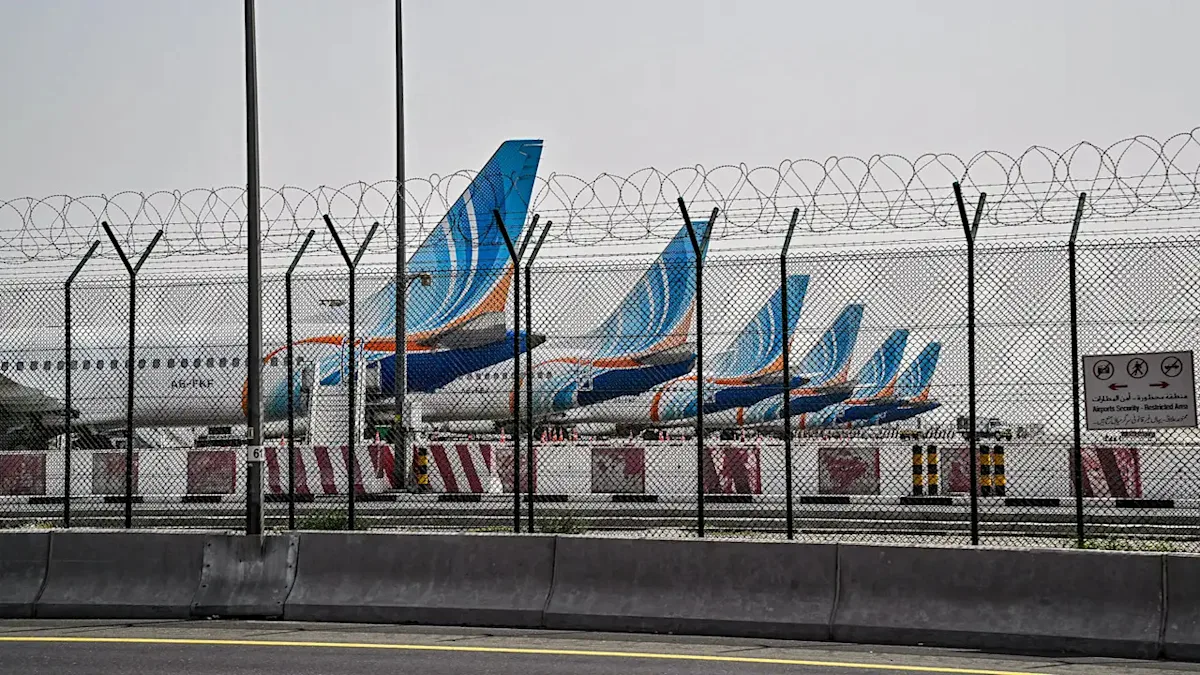
Global air travel has faced significant disruption after more than 1,600 flights were cancelled in a short period, affecting thousands of passengers across multiple countries. The large-scale cancellations occurred as several major aviation hubs temporarily suspended or limited their operations, creating delays and logistical challenges throughout the international airline network.
One of the most affected locations was Dubai, a key global transit hub that connects Asia, Europe, Africa, and the Americas. Airports in the city had to either suspend certain flights or reduce operational capacity, which led to a ripple effect across airline schedules worldwide. Because Dubai plays a crucial role in international aviation connectivity, even short-term operational changes can cause disruptions across dozens of airline routes.
Airlines were forced to cancel or reschedule flights as safety concerns, operational constraints, and logistical challenges made it difficult to maintain normal schedules. When a major hub limits operations, aircraft and crew rotations become complicated, which can lead to cascading cancellations at other airports around the world. This is why a disruption in one major aviation center can quickly impact hundreds of flights globally.
Passengers traveling through affected routes experienced long delays, missed connections, and last-minute itinerary changes. Many airlines worked to rebook travelers on alternative flights or provide accommodations where possible. However, with such a high number of cancellations, airports and airline customer service teams faced heavy workloads while trying to manage the situation.
Aviation experts say that global airline networks operate on tightly coordinated schedules. Aircraft, flight crews, and ground operations must align perfectly to ensure flights depart and arrive on time. When one major hub slows down or suspends operations, aircraft cannot arrive or depart as planned, which creates a chain reaction throughout the system.
Dubai’s role in global aviation makes it particularly important. The city serves as a major transit point for passengers traveling between continents. Airlines rely heavily on its infrastructure to manage long-haul connections. As a result, any disruption there can quickly affect international routes and airline operations worldwide.
Authorities and airline operators continue to monitor the situation while working to restore normal operations as quickly as possible. Airports are gradually adjusting schedules, increasing operational capacity, and coordinating with airlines to reduce further disruptions.
Travel experts advise passengers to regularly check their flight status before heading to the airport, especially during periods of large-scale cancellations. Airlines also recommend using mobile apps and airline alerts to stay informed about schedule changes or rebooking options.
Although disruptions of this scale are relatively uncommon, they highlight how interconnected the global aviation system has become. A single operational issue at a major hub can influence airline networks across multiple continents.
As operations gradually return to normal, airlines and airport authorities are focusing on minimizing delays, assisting affected passengers, and ensuring smoother travel conditions in the coming days.
Note: Content and images are for informational use only. For any concerns, contact us at info@rajasthaninews.com.

Previous Post

Next Post
"Bengaluru's Summer...
Related Post