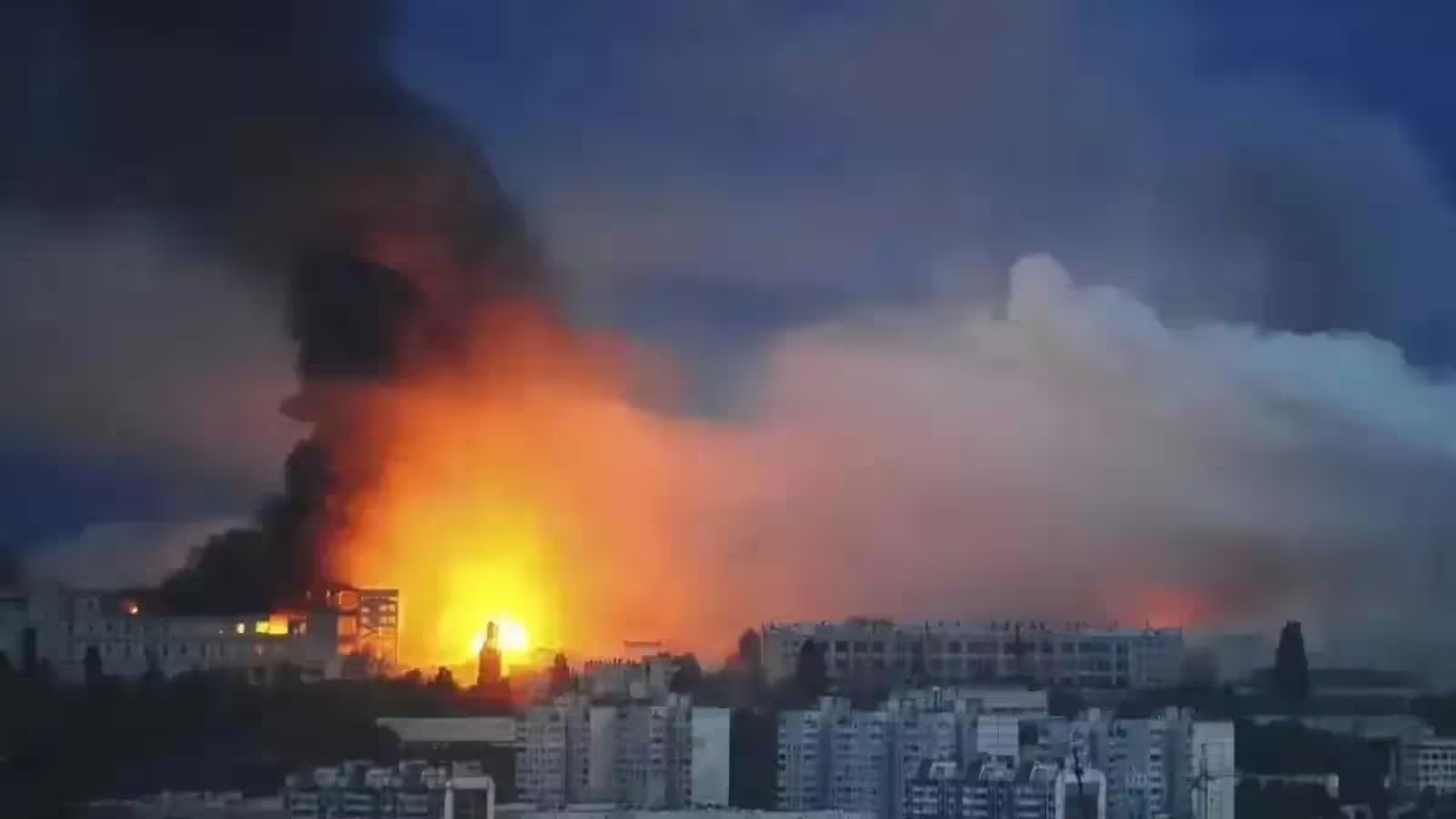

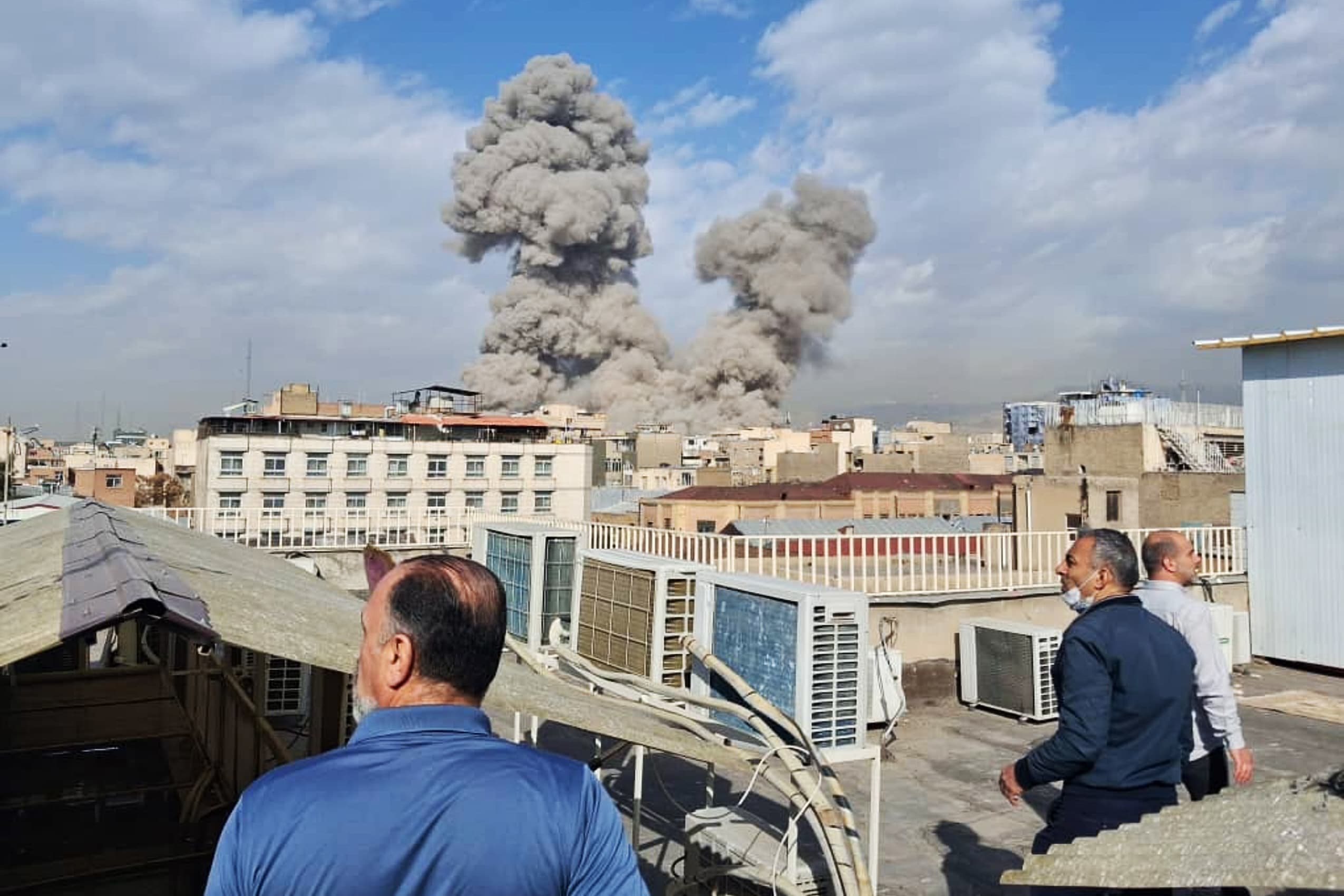
Recent airstrikes on Tehran and Beirut have marked a significant escalation in Middle East tensions. The strikes were reportedly conducted as part of a broad military operation targeting strategic infrastructure and militant-linked facilities. Residents in Tehran described the night as one of the worst bombardment experiences in recent times due to continuous explosions and heavy aerial attacks across residential and military zones.
According to reports, the military operations were linked to ongoing regional security conflicts involving multiple actors. The Israel Defense Forces carried out large-scale bombing campaigns targeting command centers, weapons storage locations, and security installations. The attacks were described as part of a strategic response to regional security threats and cross-border militant activities.
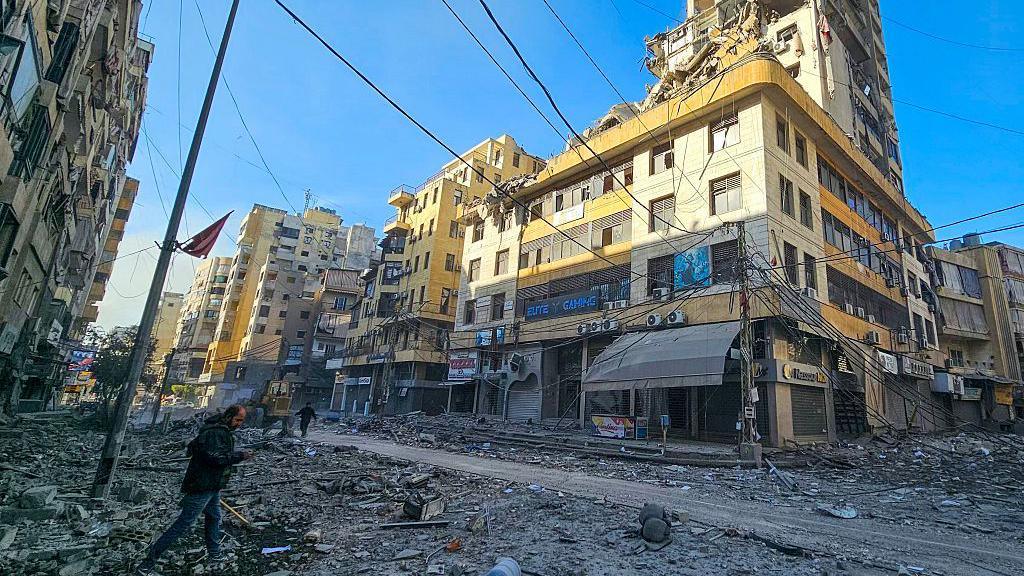
In Beirut, the airstrikes mainly targeted southern suburbs where militant infrastructure is believed to be concentrated. Authorities issued evacuation warnings prior to the attacks, leading to large-scale civilian displacement. Thousands of families were forced to move to safer areas, creating a growing humanitarian concern across the region. The continuous bombardment reportedly caused structural damage to buildings and disrupted essential services in affected zones.
International organizations have expressed concern about civilian safety and the humanitarian consequences of prolonged military escalation. The situation has raised fears of broader regional instability, as multiple countries remain closely involved in the conflict dynamics. Global leaders have called for de-escalation and diplomatic negotiations to prevent further civilian casualties.
Experts believe that the strategic objective of the strikes is to weaken militant operational capabilities while maintaining military pressure in contested regions. However, humanitarian groups warn that urban airstrikes often create long-term social and economic impacts on local populations. Infrastructure damage, medical facility overload, and displacement crises are expected to increase if the conflict continues.
The situation remains highly volatile as both military and political leaders monitor developments. Security analysts suggest that future operations may depend on diplomatic negotiations and international pressure to reduce military escalation. Citizens in both cities remain under high alert as air defense systems and emergency response teams continue operations.
Overall, the airstrikes on Tehran and Beirut represent one of the most serious escalations in recent regional tensions, highlighting the fragile security situation across the Middle East. The global community continues to monitor the situation closely while urging peaceful resolutions to prevent further destruction and loss of life.
Note: Content and images are for informational use only. For any concerns, contact us at info@rajasthaninews.com.
Previous Post
Next Post
"Peter Dutton Affirm...
Related Post